


Emotional Balance Boards
The Vital Role of Emotional Balance Boards in Self-Regulation
In classrooms, clinics and homes, the ability to identify and manage internal states is a foundational skill for lifelong success. However, for many neurodivergent individuals—including those with Autism, ADHD, or sensory processing disorders—the transition from “calm” to “overwhelmed” can happen faster than they can find the words to describe it. Emotional balance boards are designed to bridge this gap, providing a tangible, visual roadmap for emotional navigation.
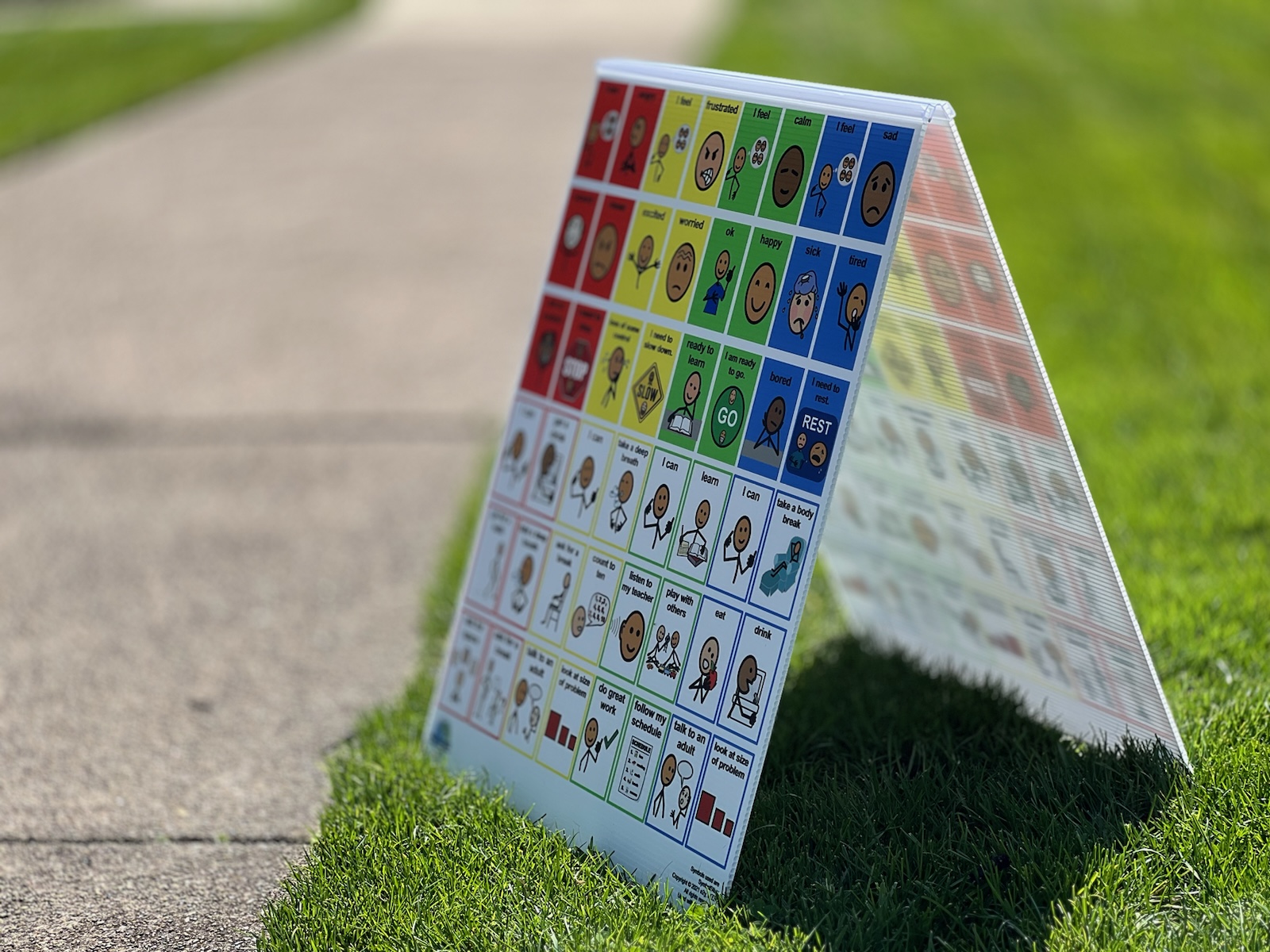
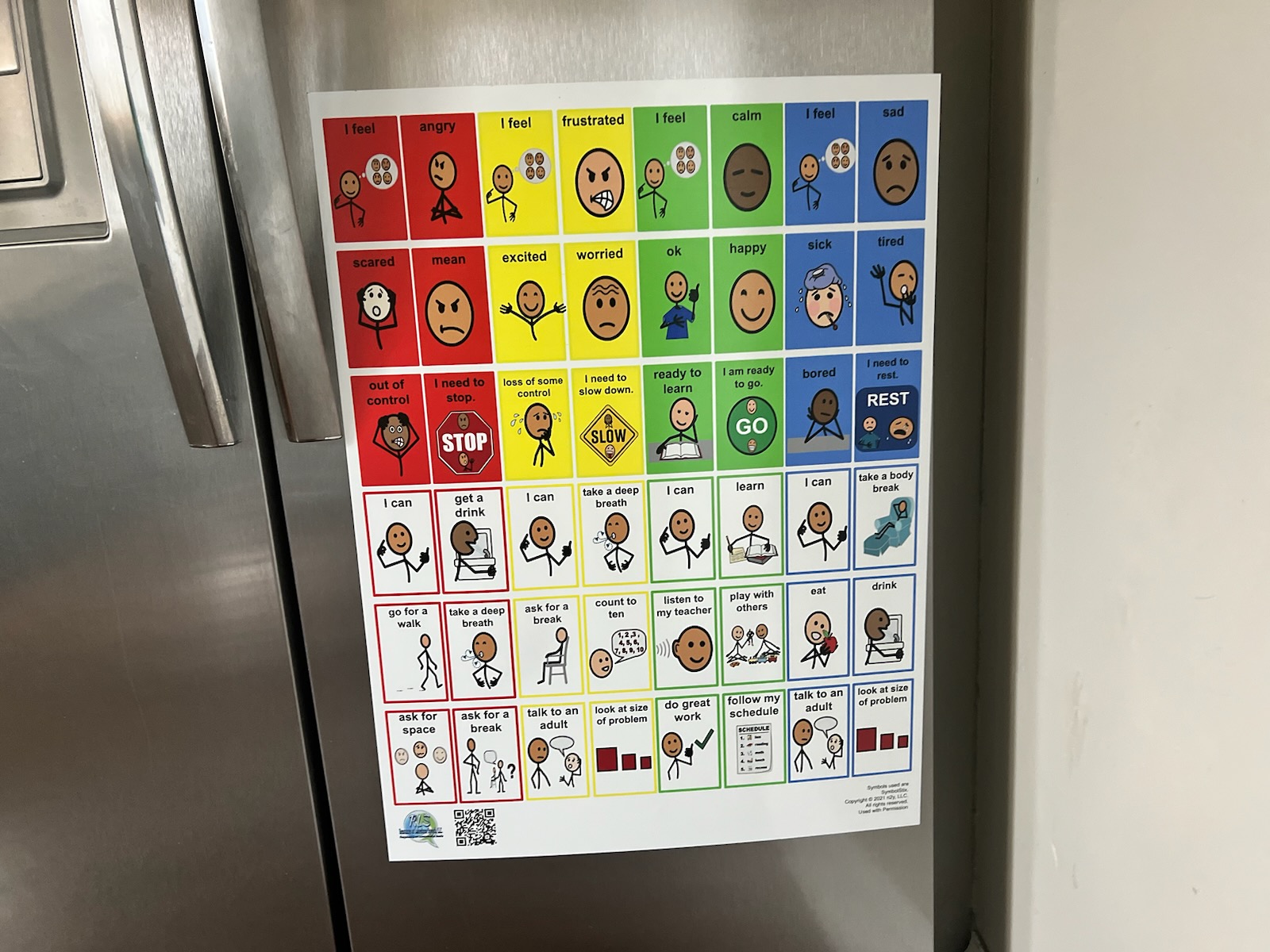
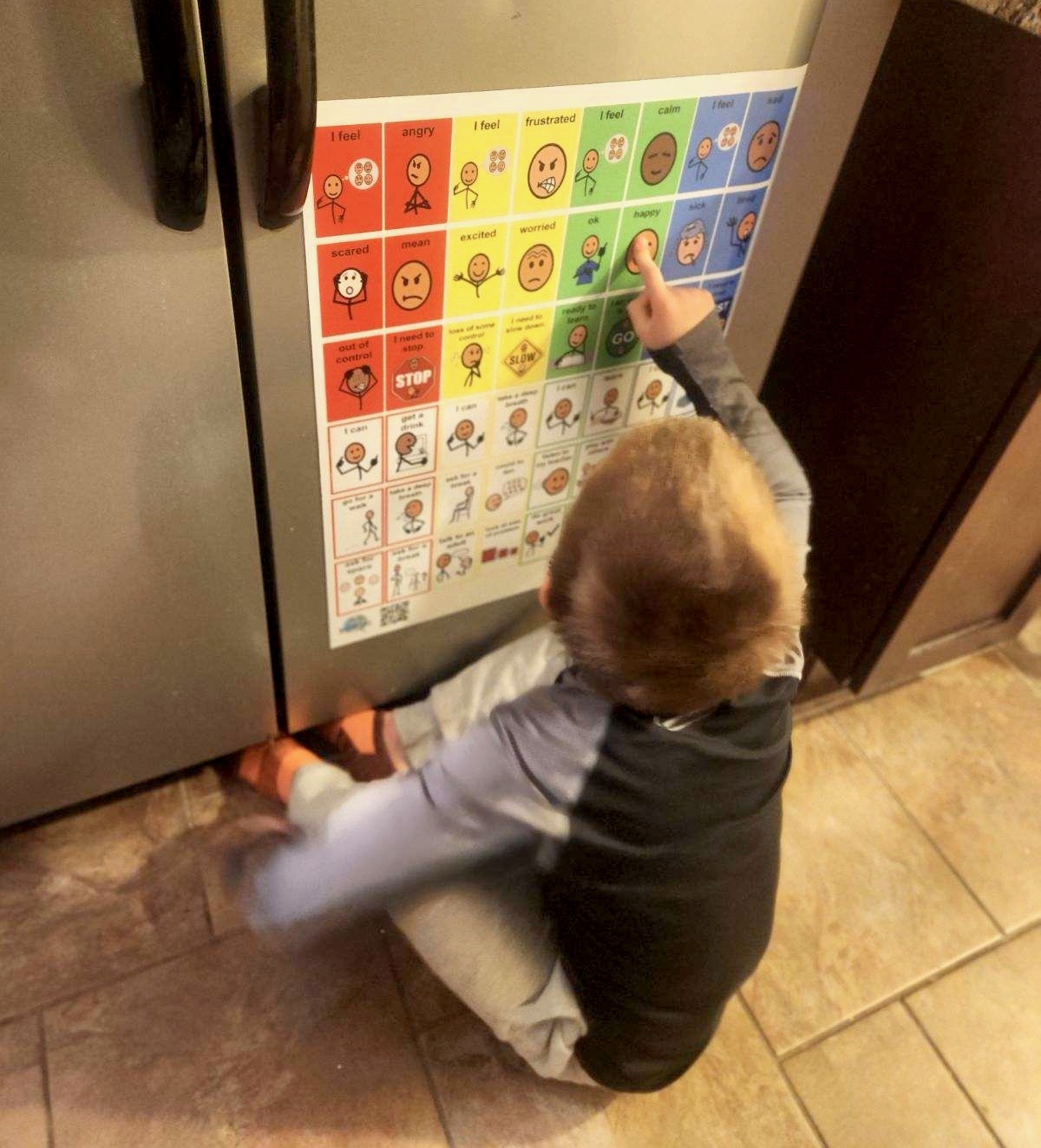
By integrating emotional balance boards into a dedicated “calm-down corner” or therapy suite, you provide a non-verbal outlet for complex feelings. When a child is in a state of “fight or flight,” the language centers of the brain often become less accessible. A visual board allows them to point to how they feel (e.g., angry, frustrated, tired) and, more importantly, choose a functional coping strategy (e.g., take a breath, push the wall, listen to music) without the added stress of verbalizing.
What do Emotional Balance Provide?
- Improve emotional literacy
- Help manages feelings
- Empower children and adults to express their emotions
- Increase confidence and self-esteem
Promote empathy and understanding
Encourage children and adults to recognize and respect others’ emotions
The Science of Visual Anchors for Co-Regulation
Co-regulation is the process where a caregiver or professional helps an individual return to a balanced state. Emotional balance boards serve as a “shared language” during these critical moments. Research shows that visual supports reduce the cognitive load required to process information during periods of dysregulation.
Our emotional balance boards utilize research-backed color coding and symbol systems like Boardmaker© and SymbolStix©. This consistency is key; when a child sees the same symbols on their emotional balance boards that they use for academic work or speech therapy, it builds a sense of familiarity and safety. These boards don’t just “monitor” emotions; they teach the user how to move through them, fostering a sense of autonomy and emotional intelligence.
Where Do You Install Emotional Balance Boards?
Strategic Placement
To maximize the effectiveness of emotional balance boards, they should be placed in “pre-emptive” locations—places where a user can access them before reaching a point of total dysregulation.
The Sensory Room or Reset Space:
This is the most common location. Having the board mounted at eye level allows the user to immediately identify their state upon entering the room.
The Classroom Doorway:
This allows for “emotional check-ins” as students transition from the high-energy hallway into the focused classroom environment.
The Clinic Waiting Area:
For many clients, the anxiety of waiting for an appointment can lead to dysregulation. A emotional balance board in the lobby helps them prepare for their session.
FAQs Supporting Emotional Health with Visual Tools
What makes an Emotional Balance Board different from a standard feelings chart?
Answer: Traditional charts only identify an emotion; our emotional balance boards provide an active, visual roadmap for what to do next. Designed by SLPs, they combine emotion identification with actionable, research-backed physical and cognitive coping strategies to guide users back to a regulated state.
How do you integrate these boards into a classroom calm-down corner?
Answer: Mount the board at eye level in your sensory room or calm-down corner. Teachers can use it as a co-regulation tool, guiding dysregulated students to identify their current emotional state and choose a matching physical coping strategy from the board’s visual choices.
Do these emotional regulation boards align with school frameworks like Zones of Regulation?
Answer: Yes. Our boards complement major social-emotional learning frameworks by utilizing evidence-based color coding. They bridge the gap between classroom theory and real-time clinical application, helping students visually connect different levels of neurological arousal to specific, actionable sensory breaks.
Are the Emotional Balance Boards durable enough for clinical or psychiatric use?
Answer: Absolutely. Available in premium MaxMetal aluminum, rigid Coroplast, or interactive magnetic panels, our boards are built for daily sanitizing and heavy public use. They easily withstand commercial cleaning chemicals and repeated handling without fading or losing visual clarity.
What material options are available for the emotional balance boards?
Answer: We offer these boards in three (3) distinct formats.
Aluminum Alloy: Our most durable option, designed for permanent wall mounting in high-traffic areas, clinics, or outdoor spaces. It is scratch-resistant and virtually indestructible.
Coroplast: A lightweight, high-quality corrugated plastic. This is an excellent, cost-effective choice for classrooms or “calm-down corners” where the board may need to be moved or temporarily mounted.
Magnetic Tile Versions: Perfect for interactive use on metal surfaces or whiteboards. These allow for a more tactile experience where students can physically move markers to indicate their current emotional state.
Can I customize the icons or layout of the emotional balance boards?
Answer: Not at this time. To ensure the highest quality and fastest shipping times, our emotional balance boards come in a standardized layout and vocabulary set. These layouts have been professionally curated by Speech-Language Pathologists to ensure they meet the needs of a wide range of neurodivergent individuals. By utilizing a fixed set of industry-standard symbols, we provide a consistent “language” that can be easily recognized by staff and students across different rooms or facilities.
Are these boards appropriate for all ages?
Answer: Yes. While the symbols are clear and easy for children to understand, the design is professional and dignified enough for use in adult neuro-rehabilitation centers, group homes, and mental health facilities. Emotional regulation is a lifelong skill, and the visual support provided by our emotional balance boards is beneficial for anyone experiencing communication barriers during high-stress moments.
How Do I Set Up My Classroom Calm-Down Corner with Emotional Balance Boards?
Calm-Down Corners, whether at school, in a clinical setting or at home do not need to be large extravigant spaces. Simplicity and consistency provide the ideal set-up for these emotional regulation areas. This checklist will provide the most comforting space:
- Location: A corner of a space away from doorways, walkways or areas of high traffic. Think of a space that can be realitively quiet, yet is easily viewed by an adult to ensure safety.
- Defined Space: Using curtain rods with inexpensive curtains, bookcases (the shelves facing out), bright tape on the floor or an area rug define the space without question.
- Comfortable Seating: A few pillows or a beanbag type chair would suffice. If you are concerned these may become projectiles, a soft rug will work just fine.
- Calming Items: A few fidgets, noise canceling headphones or a noise machine will work to create a calming space.
- Emotional Balance Board: Mounted in a designated space near the calming corner or as a sandwich sign placed near the enterance of the space.
- An adult would model the use – “Your actions are telling me you are feeling (point to the emotion). When you are ready you can (point to the action they could use) to feel more calm.”
- As the individual begins to calm offer the use of the board for them to express their emotion and make a choice of what strategy they would like to use to help regulate their emotions.
Providing a calm-down corner/space sends a clear message that feelings are important and respected and learning how to best manage these emotions is equally as important.
Printed on Coroplast or as a Magnet
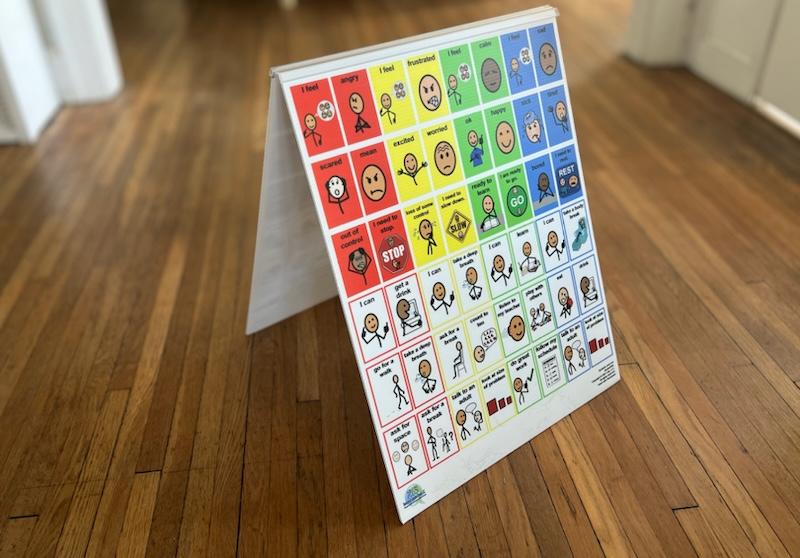
Coroplast (Corrugated Plastic)
$200
- Coroplast print includes 2 panels and hinge – creates sandwich sign
- Available in 1 size: 18″x24″
- Standard Vocabulary and Layout
- Available in Boardmaker or SymbolStix icon systems.
- Color code system available: Modified Fitzgerald or Gossens’
- Made to order
- Inventory: In Stock
- Coroplast Assembly Directions
Magnetic Tile
$200
- Magnet print measures 18″x24″
- Standard Vocabulary and Layout
- Available in Boardmaker or SymbolStix icon systems.
- Color code system available: Modified Fitzgerald or Gossens’
- Made to order
- Inventory: In Stock
emo1824coro
emo1824mag
While these Emotional Balance Boards focus on expressive and regulatory supports, you may also wish to explore our standard Communication Boards designed for playgrounds, pools, and inclusive settings.