
It can be difficult for both children and adults to express themselves when emotions become overwhelming. Meltdowns, whether they stem from frustration, sensory overload, anxiety, or other triggers, can leave individuals feeling lost, misunderstood, and unable to communicate their needs effectively. This is where regulation tools, such as emotional regulation/balance communication boards, come into play. These powerful resources can be used proactively to help individuals manage their emotions, reduce the frequency of meltdowns, and foster better communication in emotionally charged situations. In this blog post, we will explore the importance of regulation, how communication boards work, and how they can be utilized to prevent meltdowns before they escalate.
Understanding Meltdowns and Emotional Regulation
Before exploring the benefits of emotional regulation communication boards, it’s important to first understand what meltdowns are and why regulation is essential. A meltdown is an intense reaction that can be triggered by an overwhelming situation or sensory overload. It is often a response to feelings of frustration, fear, anxiety, or anger when the individual cannot manage or express these emotions appropriately.
For many individuals, especially those with communication differences such as Autism Spectrum Disorder (ASD), developmental delays, or sensory processing disorder, expressing emotions verbally can be incredibly difficult. When these emotions build up, they can lead to meltdowns that are both distressing and hard to control.
Emotional regulation refers to the ability to manage and respond to emotional experiences in a healthy and appropriate way. This skill involves recognizing emotions, understanding their impact, and using strategies to cope with them. While regulation develops over time, some individuals may need additional support to learn how to regulate their emotions effectively. For many, tools like emotional regulation communication boards are invaluable.
What is an Emotional Regulation/Balance Communication Board?
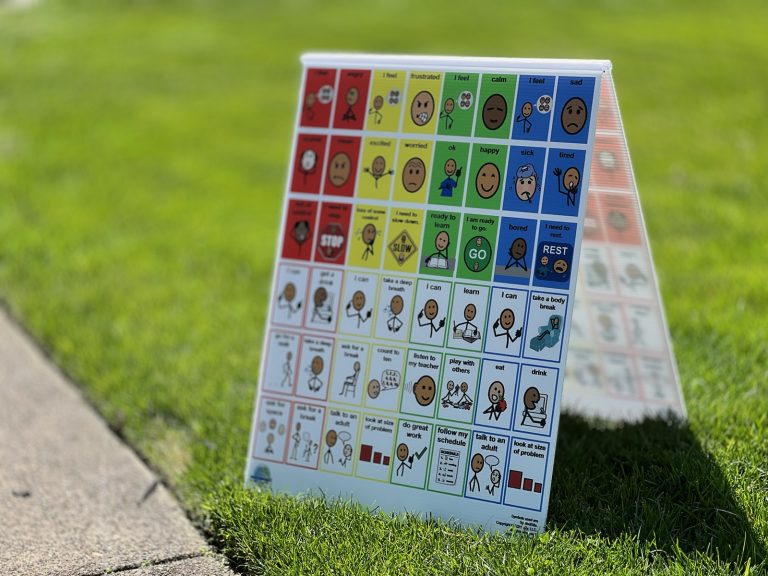
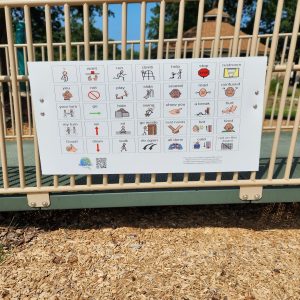
An emotional regulation/balance communication board is a specialized visual support tool designed by Speech-Language Pathologists (SLPs) to help individuals express feelings and select self-regulation strategies non-verbally. Unlike static emotion charts, Resources at Lakeshore Speech’s Emotional Balance Boards pair real-time mood identification with immediate, actionable coping mechanisms (such as deep breathing or taking a break) to prevent behavioral escalation before a meltdown occurs.
These boards feature structured symbols—available in standardized systems like Boardmaker® or SymbolStix®—allowing neurodivergent individuals, those with Autism or sensory processing differences and individuals with communication differences to communicate critical needs without relying on verbal speech during moments of stress
Using Communication Boards to Support Emotional Regulation
Emotional balance boards are most effective when they are thoughtfully designed for the environments where children live, learn, and play. The right vocabulary, symbols, and layout can make it easier for children to express feelings, ask for help, and regulate in the moment.
New to communication boards in general? Refer to our guide on communication boards for children to help in your foundational understanding of how AAC and communciation boards are important tools.
Who Should Use an Emotional Balance Board?
Emotional balance boards are especially helpful for children and adults who experience difficulty expressing emotions during moments of stress, including individuals with autism, ADHD, anxiety, or sensory processing differences.
- Schools: reduce classroom disruptions and support regulation
- Clinics: provide structured emotional expression during sessions
- Home: support daily routines and reduce meltdowns
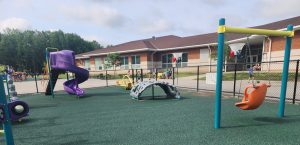
- Community spaces: increase accessibility and inclusion
Is an Emotional Balance Board Right for Your Child or Students?
Emotional balance boards are especially helpful for individuals who have difficulty expressing feelings in the moment, including children who become overwhelmed, frustrated, or unable to use words during times of stress.
- Struggles to express emotions verbally
- Experiences frequent meltdowns or shutdowns
- Has difficulty asking for help when upset
- Benefits from visual supports or AAC
If you’re seeing frequent emotional overload, difficulty expressing feelings, or escalating behaviors, a visual communication approach can provide a clear and consistent way to support regulation.
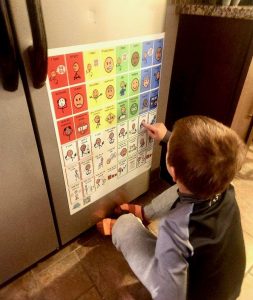
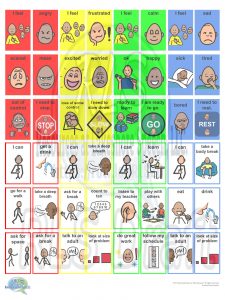
Key Features & Specifications of SLP-Designed Emotional Balance Boards
When selecting a regulation board for a classroom, therapy clinic, or home calm-down space, physical durability and symbol consistency are essential:
Dual-Action Layout: Directly connects emotion identification (mad, anxious, overwhelmed) to immediate coping strategies (squeeze a ball, ask for space, deep breath).
Symbol Standardization: Available in Boardmaker© or SymbolStix© icon systems using recognized color-coding standards (such as Modified Fitzgerald or Gossens) to match AAC symbol systems used in school settings.
Durable & Wipeable Formats: Manufactured in heavy-duty Coroplast (hinged 18″x24″ sandwich signs) or Magnetic Panels for daily sanitization in high-traffic therapy environments and calm-down corners.
Institutional & School Integration: Complements major social-emotional learning frameworks (such as Zones of Regulation) and connects directly with school communication board solutions.
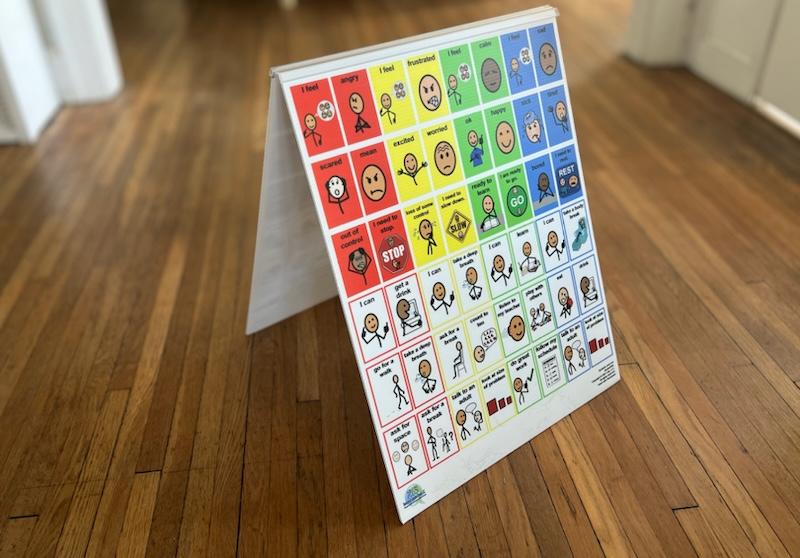
Proactive Use of Emotional Regulation/Balance Communication Boards
One of the key aspects of emotional regulation/balance communication boards is their proactive nature. Rather than being used reactively during a meltdown, these boards can be incorporated into daily routines and interactions to help prevent meltdowns before they occur. By providing individuals with a tool to express their emotions early, these boards empower them to manage their feelings in real time and reduce the intensity of their emotional responses.
Here are several ways emotional regulation communication boards can be used proactively:
1. Pre-emptive Check-ins
Incorporating check-ins into a daily routine is a powerful way to promote awareness and regulation. For example, children can use their communication boards in the morning or after transitions (such as from one activity to another) to identify how they are feeling. If they are feeling frustrated or anxious, they can use the board to express these emotions early on, allowing a caregiver, teacher, or therapist to intervene with calming strategies or additional support before the emotions escalate into a meltdown.
2. Encouraging Coping Strategies
In addition to identifying emotions, these communication boards often feature a range of coping strategies that individuals can use to manage their emotions. These strategies may include deep breathing exercises, taking a break, squeezing a stress ball, or engaging in other self-soothing activities.
3. Creating a Routine of Communication
For individuals who struggle with verbal communication, emotional regulation/balance communication boards can also be used as part of a broader communication system. By incorporating the boards into regular routines, individuals can become more accustomed to using them as a means of communication. Whether it’s in a classroom, home, or therapy setting, having the board easily accessible ensures that individuals can use it whenever they begin to feel overwhelmed.
4. Facilitating Social and Emotional Development
Balance communication boards also play a crucial role in helping individuals develop their social and emotion skills. By learning to recognize and label emotions, individuals gain a deeper understanding of their own feelings and the feelings of others. This social-emotionawareness can improve empathy, enhance relationships, and foster a greater sense of connection with others.
5. Building Vocabulary
A significant benefit of using a communication board is the development of vocabulary. Many individuals, especially those with communication disorders, may not have the words to describe how they are feeling. The pictures on a communication board provide a visual representation of emotions, making it easier for individuals to connect with and express their feelings.
6. Supporting Individuals with Autism Spectrum Disorder (ASD)
For individuals with Autism Spectrum Disorder (ASD), mood management and communication can be particularly challenging. Many individuals with ASD have difficulty understanding or expressing emotions, and they may become overwhelmed easily in response to sensory stimuli, changes in routine, or social situations. Emotional regulation/balance communication boards are a highly effective tool for supporting individuals with ASD, as they provide a structured and visual way to express emotions and communicate needs.
Where to Find High-Quality Emotional Balance Boards
When choosing a visual regulation tool, it is essential to find one designed by speech-language professionals that fits seamlessly into your specific environment.
At Resources at Lakeshore Speech Therapy, our SLP-designed Emotional Balance Boards are custom-built for special education classrooms, pediatric therapy clinics, calm-down corners, and home routines.
Explore Products & Specs: View complete material specifications and options on our SLP-Designed Emotional Balance Boards Page.
For At-Home Guidance: Refer to our complete parent guide to communication boards for kids for foundational tips on visual supports.
Community & Classroom Integration: Learn how to implement these boards across settings in our guide on incorporating emotional boards at home, school, and community spaces.
Request a Custom Quote: Need custom district purchasing options or W-9 details? Request a free quote from Resources at Lakeshore Speech.
Clinical Research: For evidence-based guidelines on AAC and emotional regulation visual supports, visit the American Speech-Language-Hearing Association (ASHA).
Conclusion
Mood managements is a critical skill that helps individuals navigate the challenges of everyday life. For those with communication difficulties, emotional regulation/balance communication boards provide a proactive solution to help manage emotions before they escalate into meltdowns. By offering a visual and structured way to express feelings and access coping strategies, these boards empower individuals to communicate their needs more effectively and with greater ease.



5 Comments
[…] By implementing an emotional regulation / balance communication board, families, schools, and community leaders can provide a reliable, non-verbal roadmap for emotional navigation. These boards give individuals a clear, stress-free path to identify their feelings and select an actionable coping mechanism without requiring verbal expression. This foundational tool shifts caregiving approaches from reactive management to proactive empowerment. […]
[…] boards can also support emotional expression and regulation. Explore how emotional balance boards help children communicate feelings and […]
[…] For children who experience visual fatigue or emotional dysregulation, symbol clarity directly supports self-advocacy. Discover how targeted visual supports help prevent meltdowns and support self-regulation in our article on emotional balance boards. […]
[…] combined with proactive meltdown prevention strategies, visual boards help bridge the gap between emotional awareness and actionable coping […]
[…] strategies, such as utilizing an emotional balance board, allow teachers, staff, and SLPs to conduct daily “check-ins” for everyone in the room. […]
Comments are closed for this article!