
Who Truly Benefits From Inclusive Playground Boards?
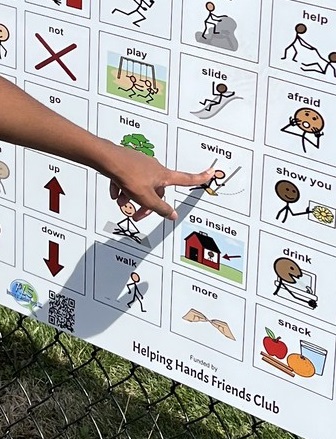
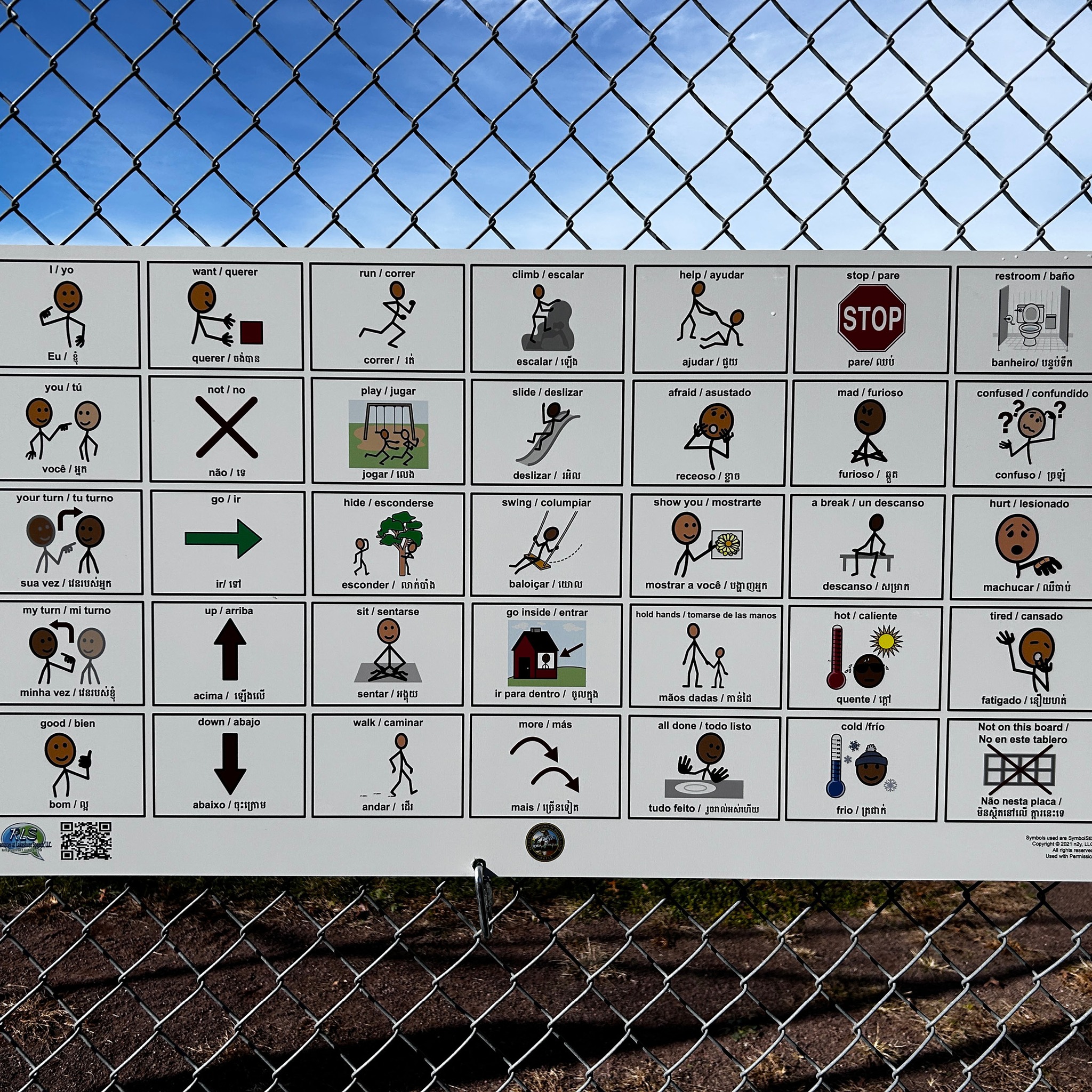
The Assumption That Limits Impact When a school principal or recreation director first hears about inclusive playground boards they almost always picture the same child: a non-verbal child with autism who
Can Communication Boards Help With Behavior?
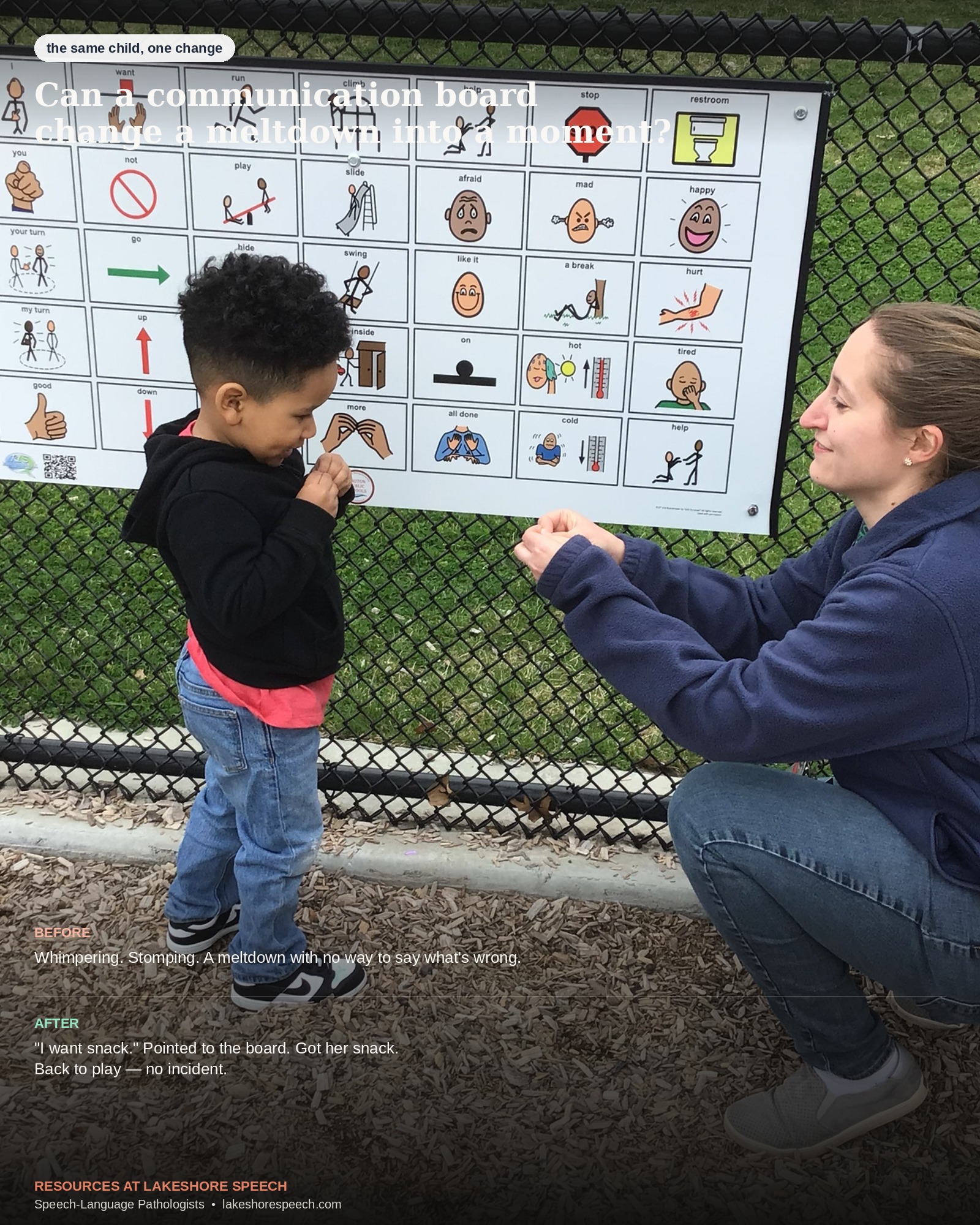
The tantrum didn’t come out of nowhere. It started with a whimper. Then stomping feet. By the time the caregiver realized something was wrong, the child had thrown herself to
Are Communication Boards Easy to Customize?
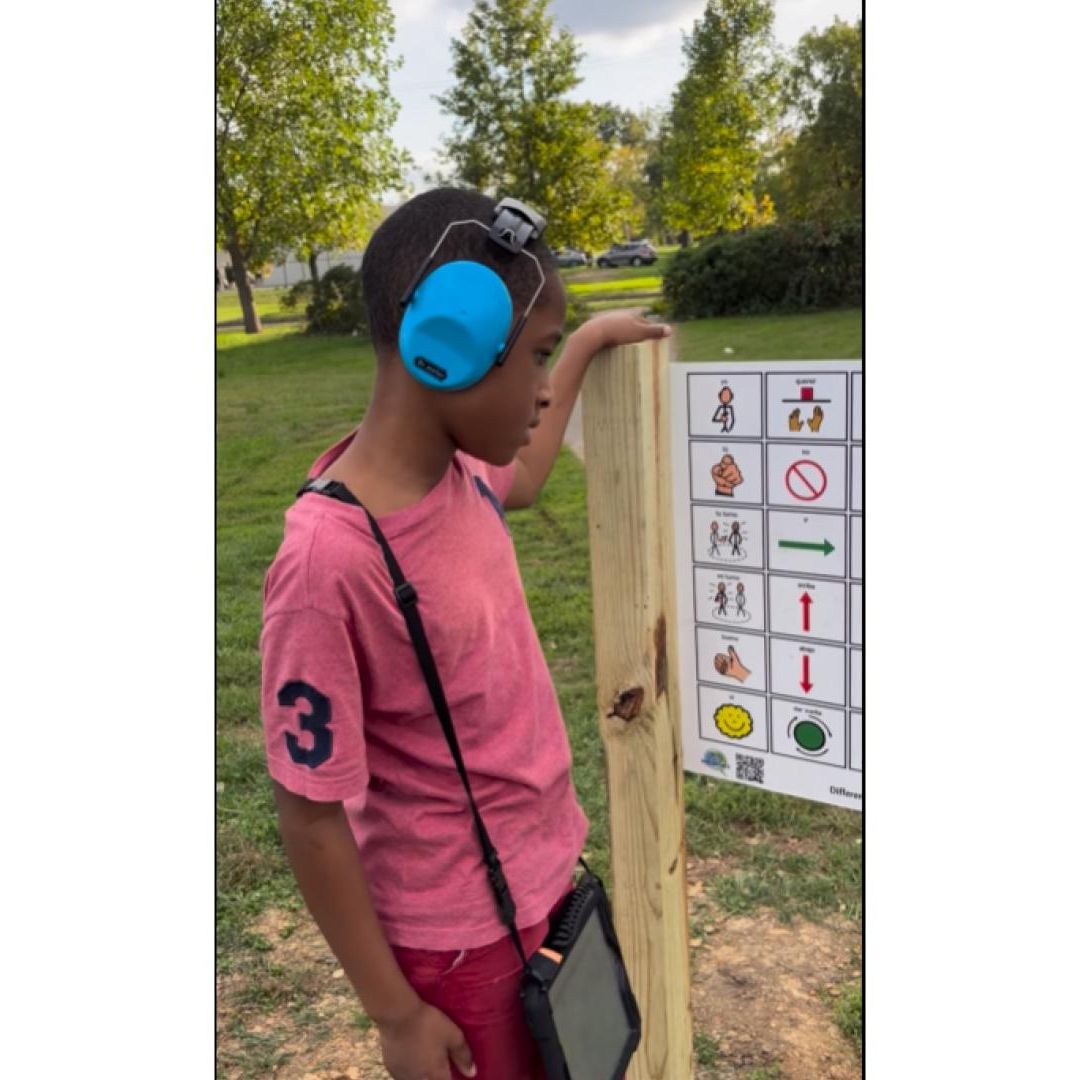
The Dangerous Misconception of the DIY Communication Board If you are a parks department director, a school administrator, a camp coordinator, or a community leader looking to make your local
Benefits of AAC in Public Spaces
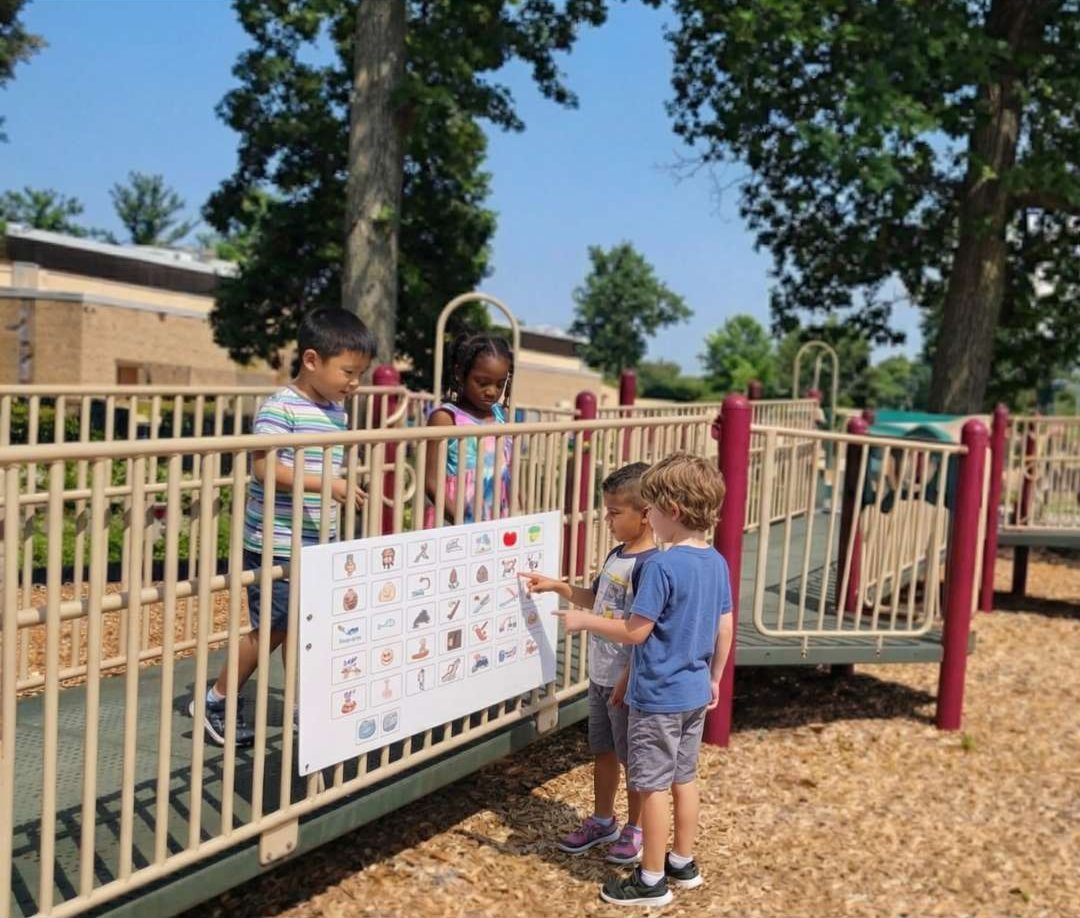
Low-Tech vs. High-Tech AAC: Why Physical Communication Boards Are Essential for Truly Inclusive Public Spaces Quick Facts & Key Takeaways What is AAC? Augmentative and Alternative Communication (AAC) includes any
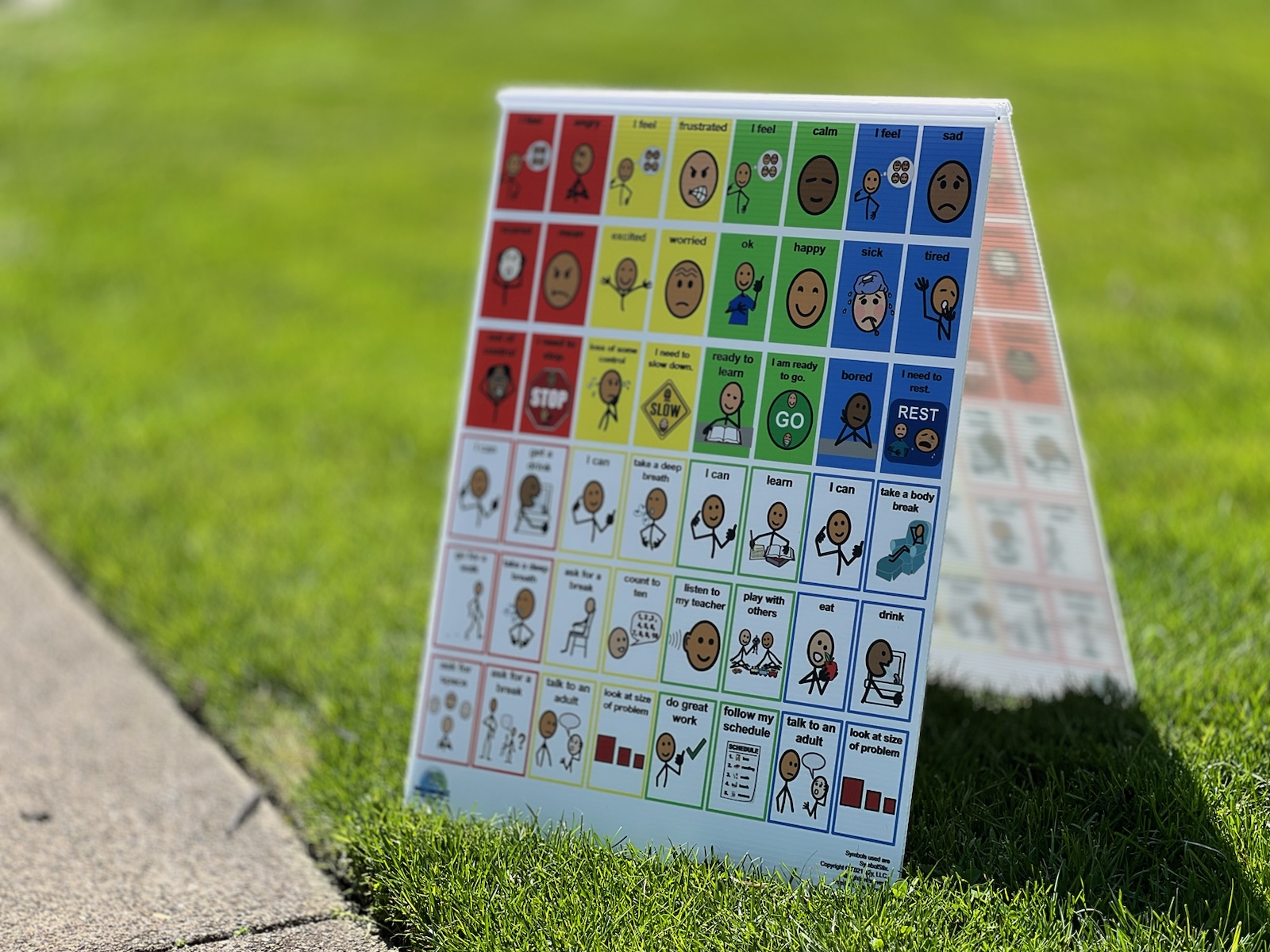
Master Emotional Regulation: Heavy-Duty AAC Visual Boards
Key Takeaways Speech Fails Under Stress: During a meltdown or sensory crisis, the brain’s speech production center (Broca’s area) experiences a drop in activity. Emotional regulation / balance boards act
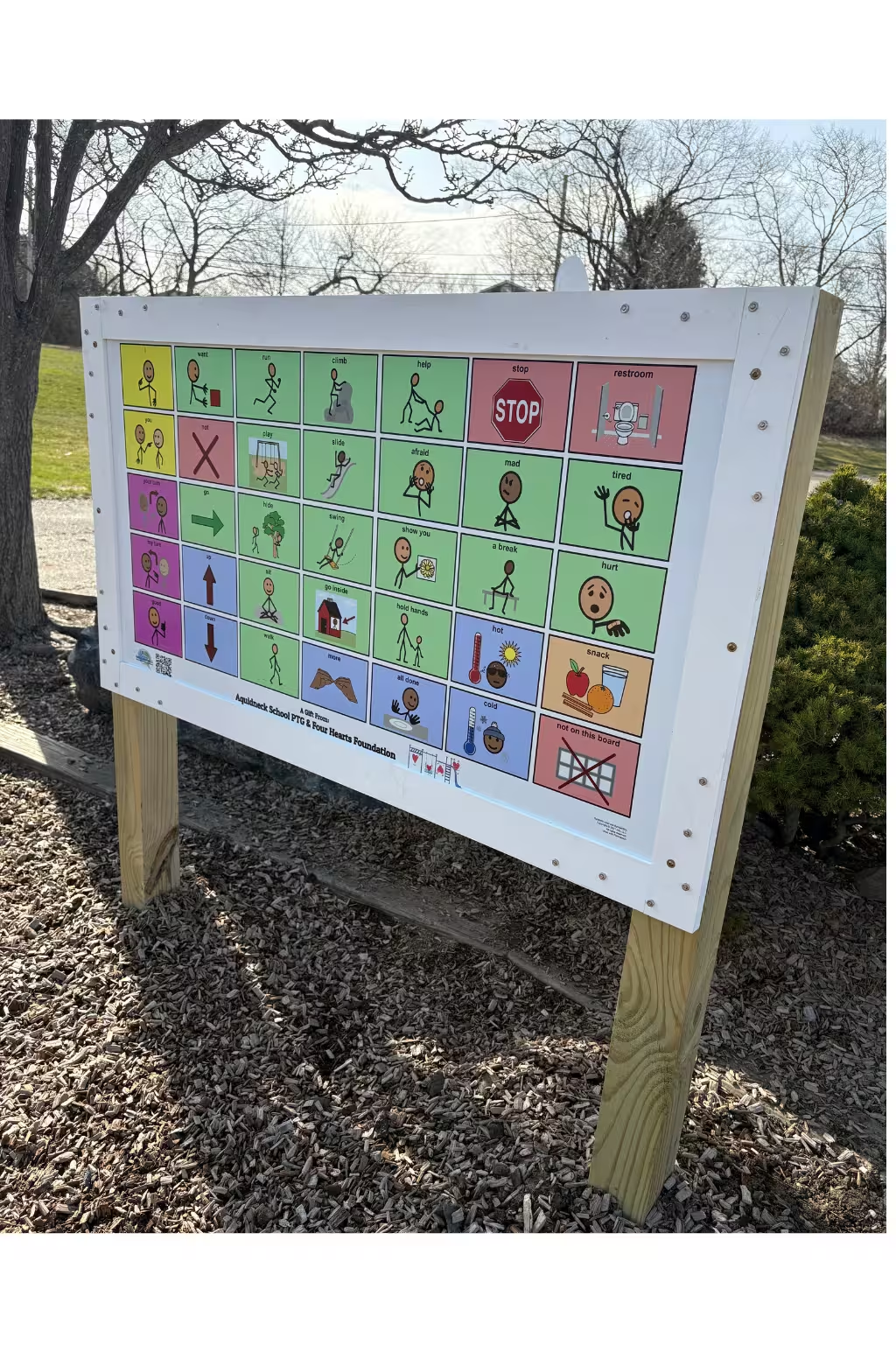
The Monumental Benefits of Communication Boards for Children
Quick Facts & Key Takeaways – Benefits of Communication Boards Total Inclusivity: Outdoor communication boards bridge the gap between physical accessibility and social inclusion on public playgrounds, pools, and splash
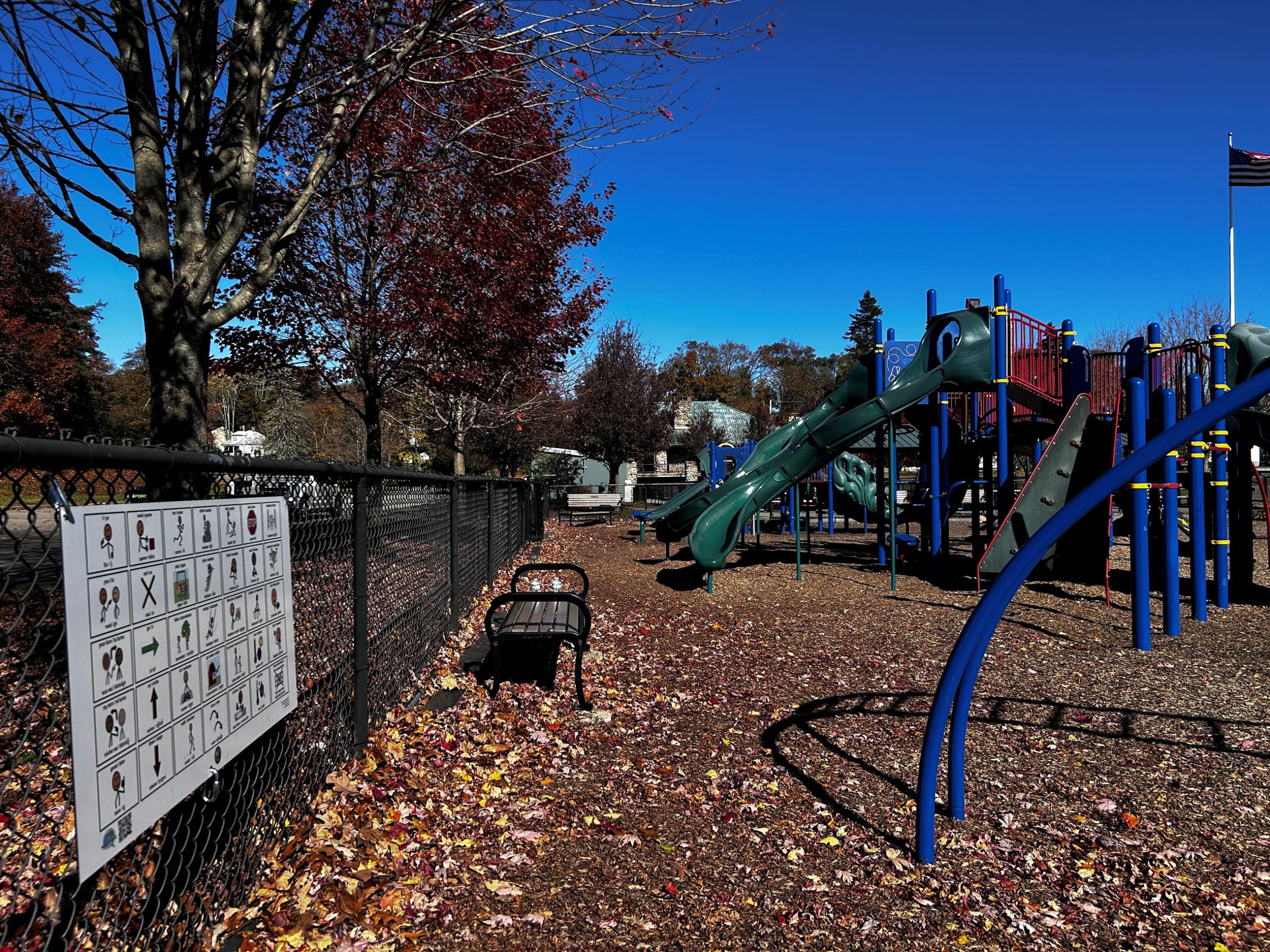
Multi-Lingual Communication Boards: The Ultimate Guide to Inclusive Play
Why Every Park Needs Multi-Lingual Communication Boards Communication Boards: Quick Facts & Key Takeaways What they are: Large, weather-resistant signs featuring symbols and text (icons) that allow non-verbal or multi-lingual
Empowerment Through Fun: Customizing Communication Boards
Breaking the “One-Size-Fits-All” Mold: A Comprehensive Guide to Customizing Communication Boards At Resources at Lakeshore Speech, we believe that communication is not just a basic human right—it is the foundation
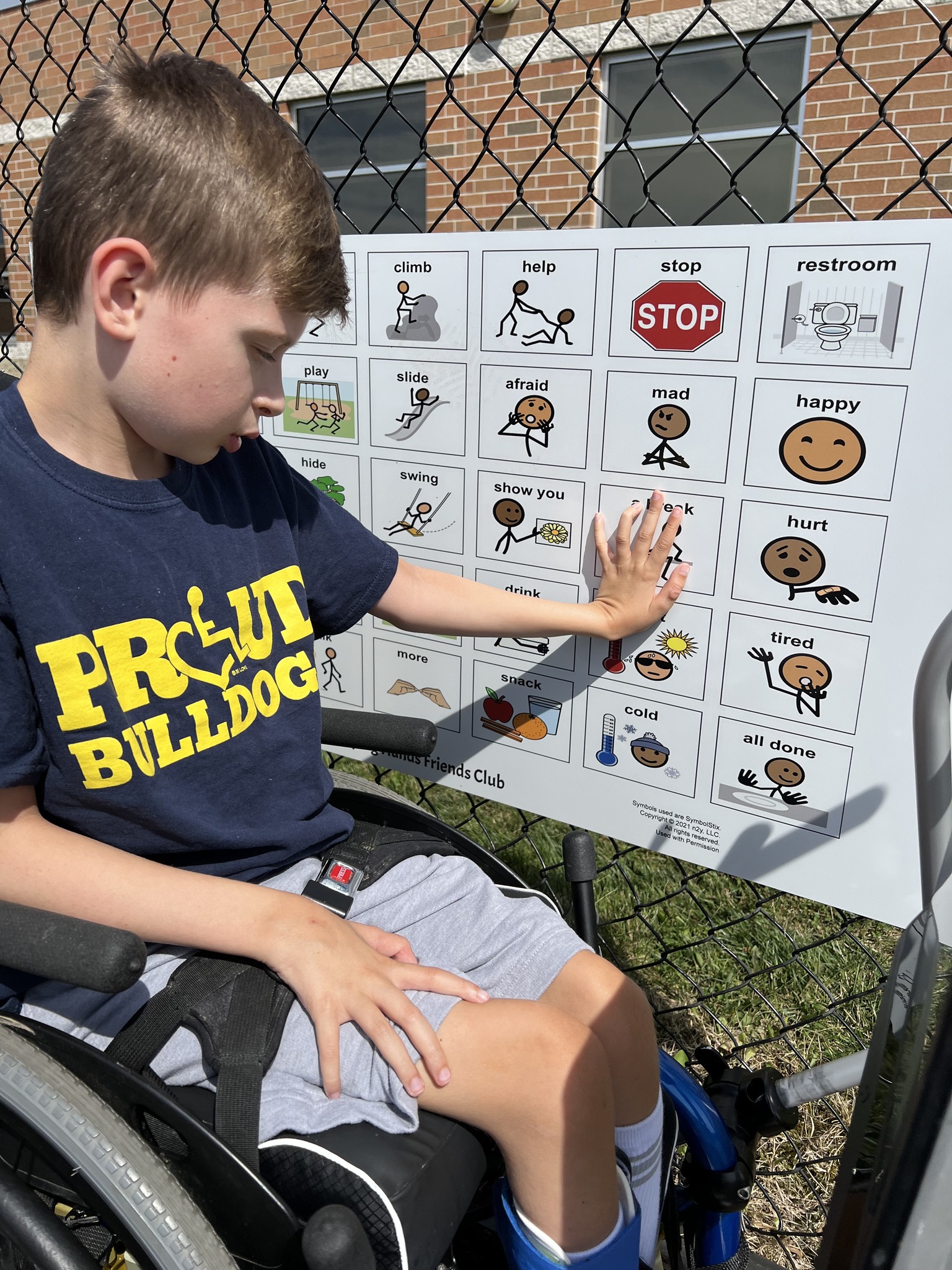
How to Master the AAC Social Script for Unstoppable Fun
Beyond Requesting: Empowering Peer Connection with Playground Communication Boards & an AAC Social Script Moving from “Requesting” to “Playing” At Resources at Lakeshore Speech, we believe that communication is the
Your Guide to AAC Training: Inspiring Growth & Inclusion
AAC Training – Beyond the Board When we think about accessibility, our minds often jump to the physical: ramps, rubber surfacing, and the installation of playground communication boards. But as
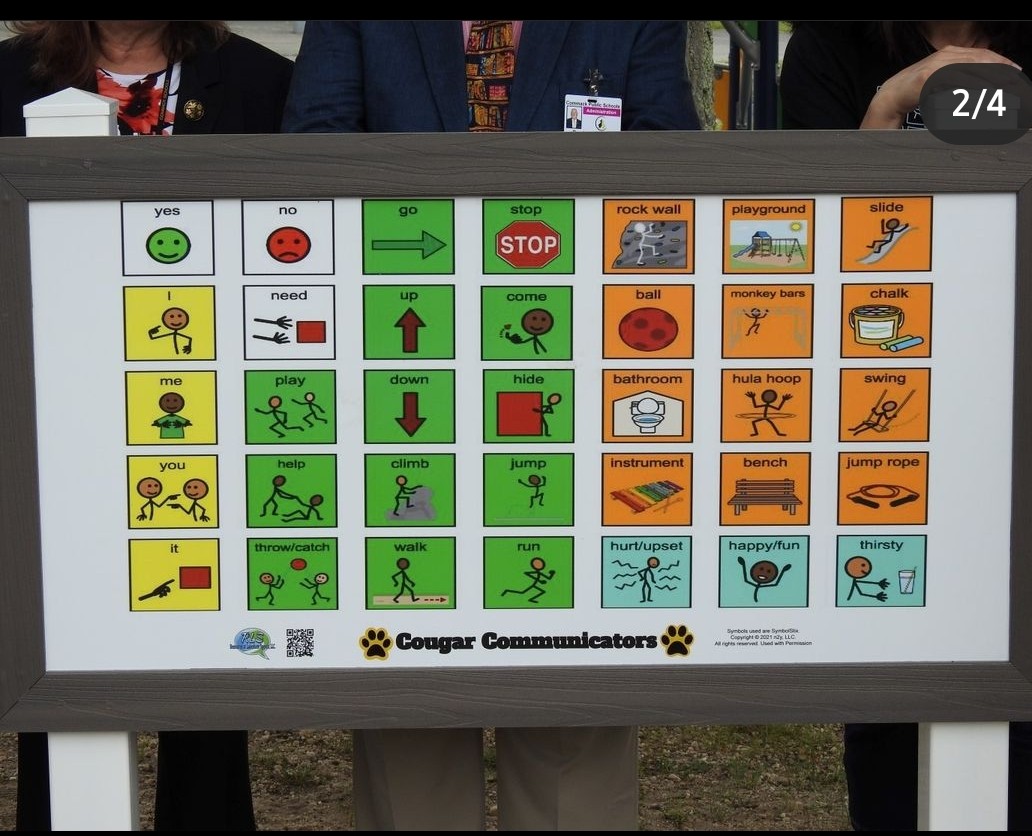
Communication Boards for Children: Unlocking Social Joy
Communication Boards for Children Creating Public Spaces Where Everyone is Seen and Heard At Resources at Lakeshore Speech, our clinical expertise as Speech-Language Pathologists (SLPs) has shown us a consistent,
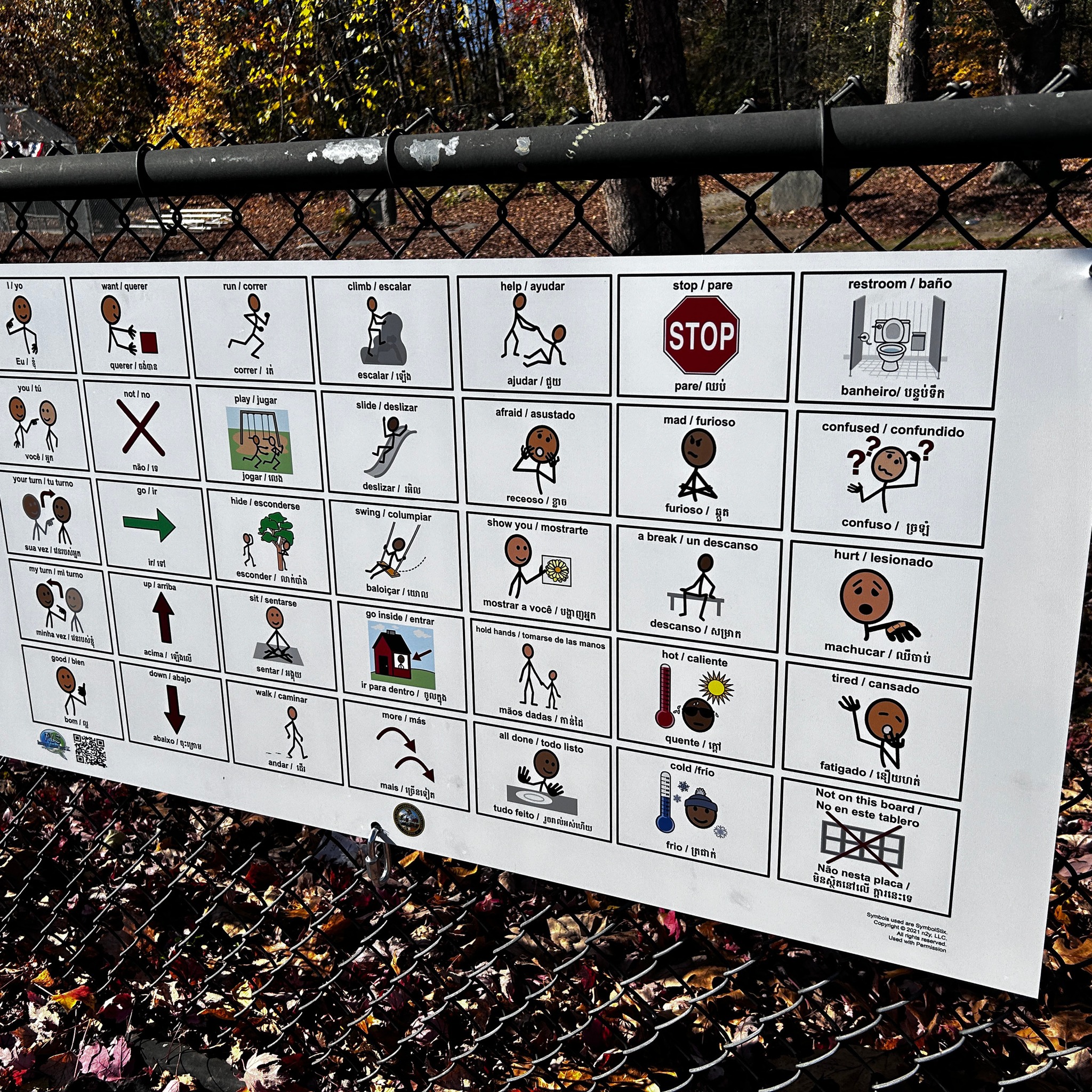
The Ultimate Guide to Funding Communication Boards: How to Unlock Free Access to Inclusive Play
At Resources at Lakeshore Speech, we believe that every child deserves a voice, regardless of their location. Whether they are at the local playground, in the school cafeteria, or navigating
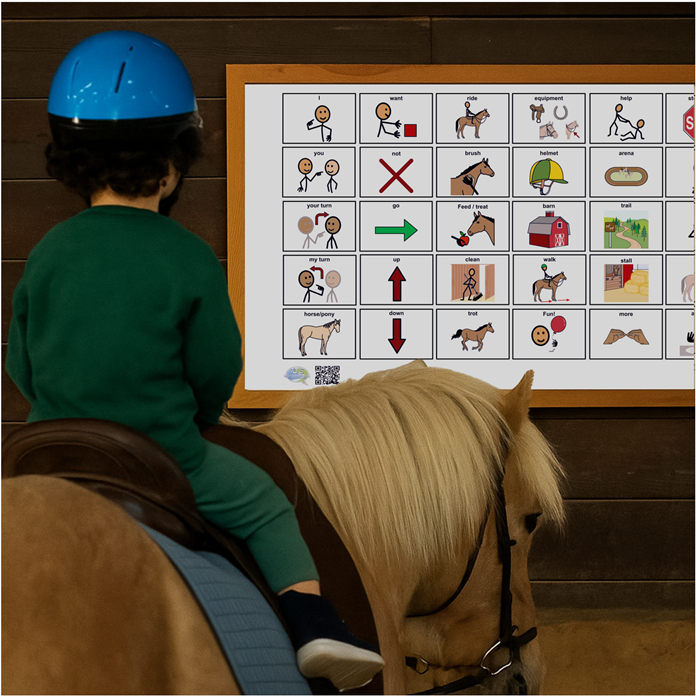
Transforming Sports: The Benefits of a Communication Board
Empowering Every Athlete: The Definitive Guide to Using a Communication Board in Therapeutic Sports and Recreation At Resources at Lakeshore Speech, we believe that every individual deserves a voice, regardless
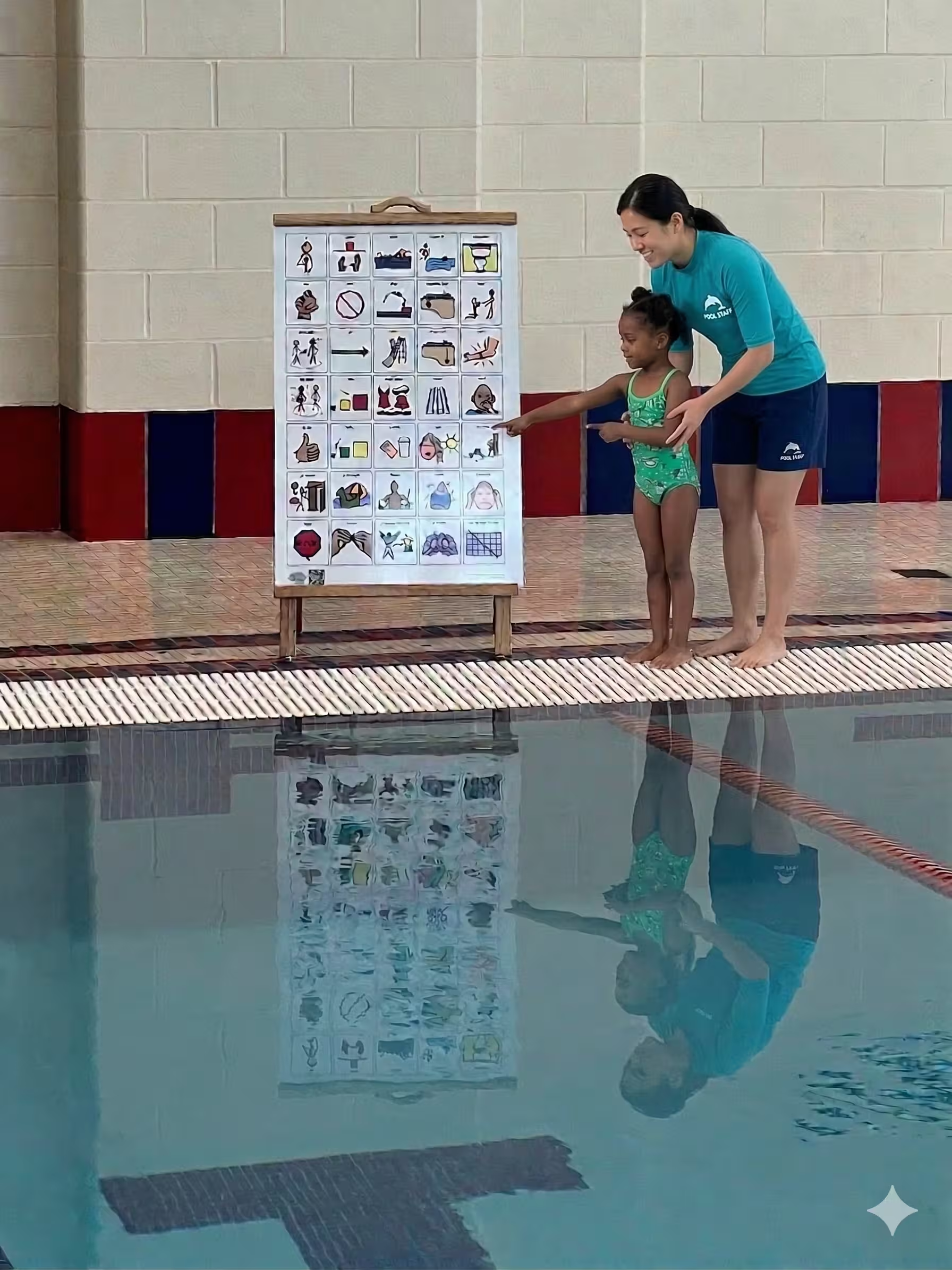
Communication Board for Pool Safety and Inclusivity Guide
Splashing into Inclusivity The Definitive Guide to the Pool Communication Board At Resources at Lakeshore Speech, we believe that every individual deserves a voice, regardless of the environment. Whether it’s
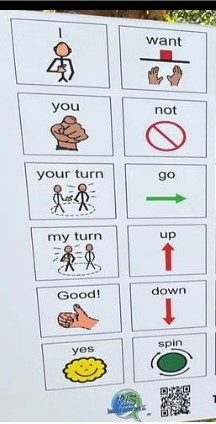
Where to Buy Communication Boards for Outdoor Playground Use
The Ultimate Guide: Where to Buy Communication Boards for Outdoor Playground Use As Senior Speech-Language Pathologists at Resources at Lakeshore Speech, we’ve spent our careers bridging the gap between clinical
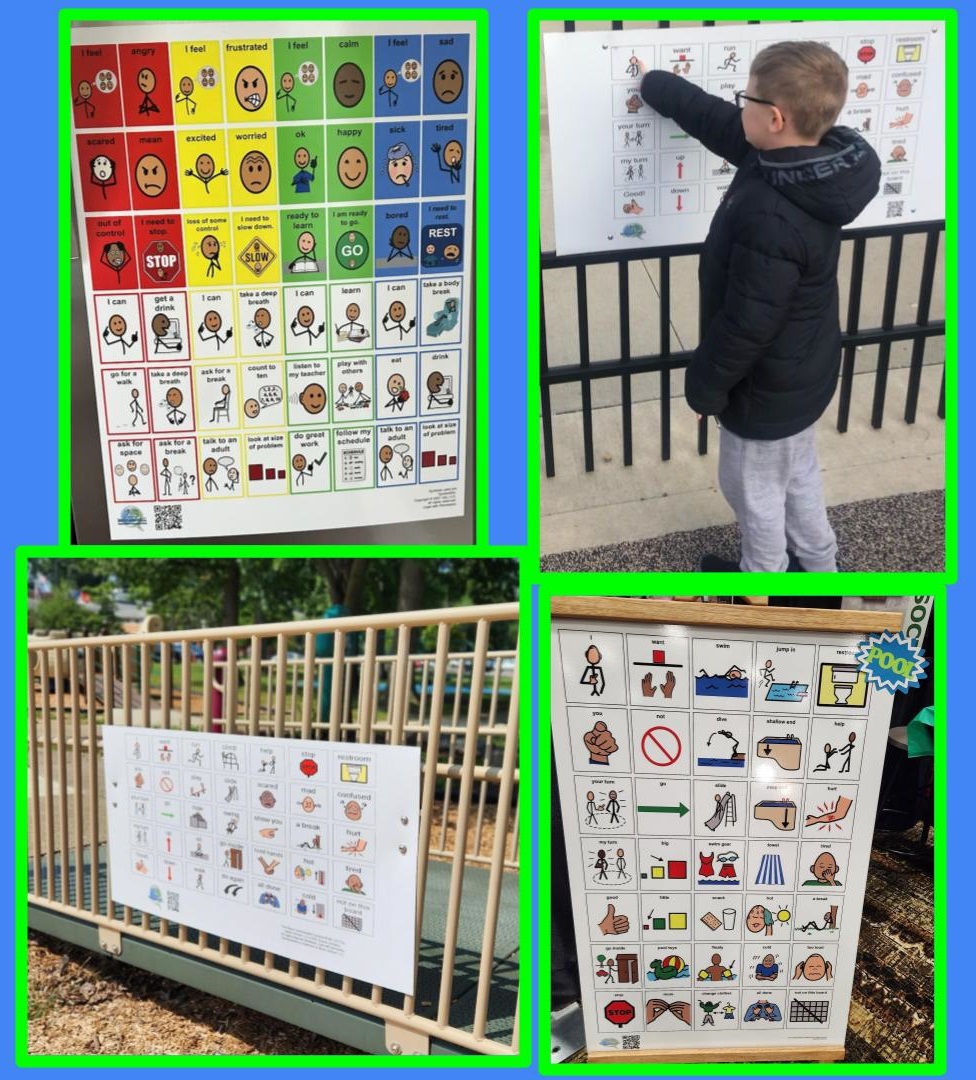
Communication Boards & ADA Accessibility : Inspiring Inclusion
The Power of Connection: A Comprehensive Report on Communication Boards & ADA Accessibility Imagine walking onto a playground and feeling like you have no voice. For many children and adults
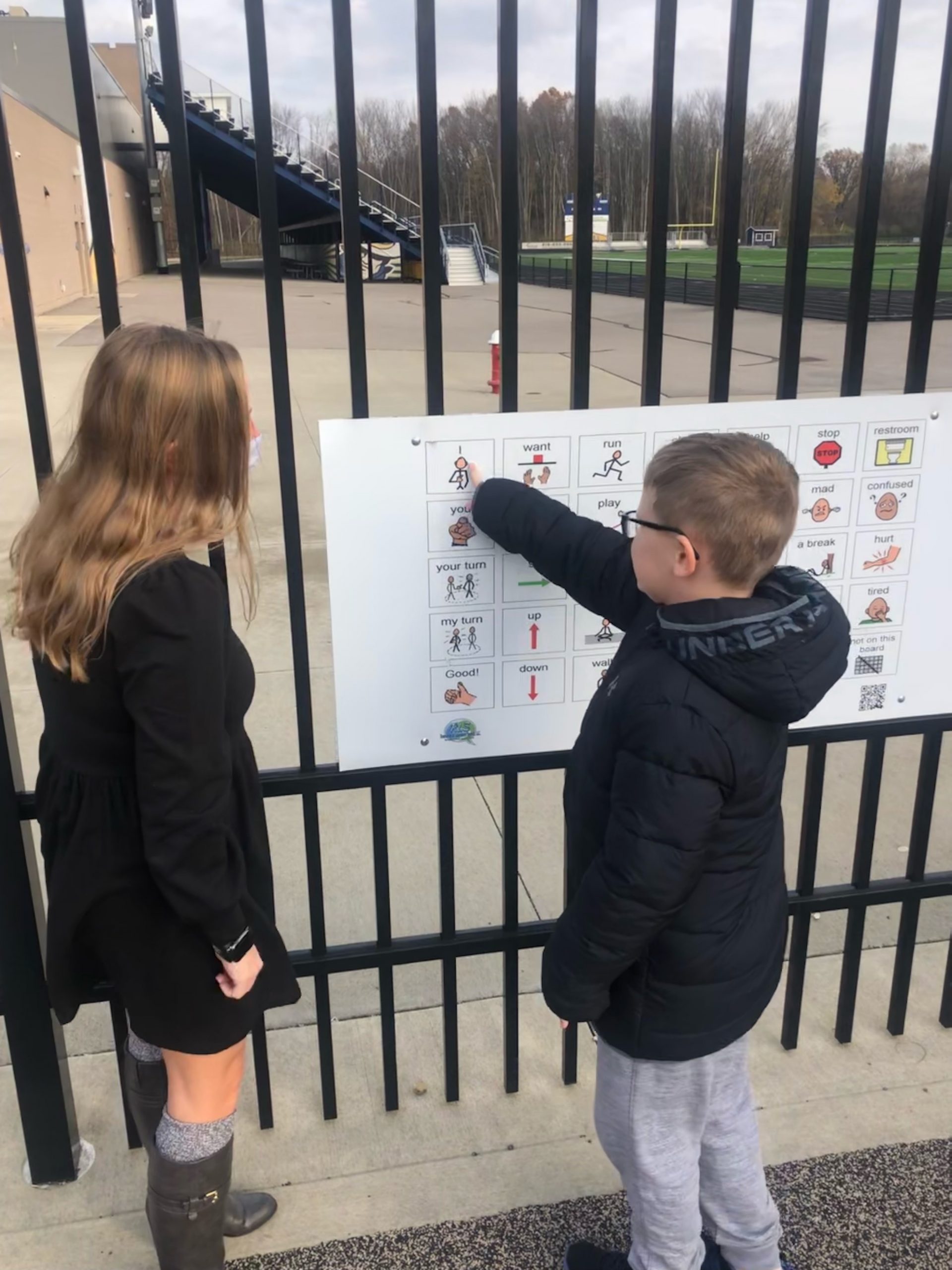
Inspiring Connections: Communication Board Design for Fun
Communication Board Design: A Speech Pathologist’s Guide to Inclusive Play At Resources at Lakeshore Speech, we’ve seen firsthand that a child’s “voice” doesn’t stop at the classroom door. As SLPs,
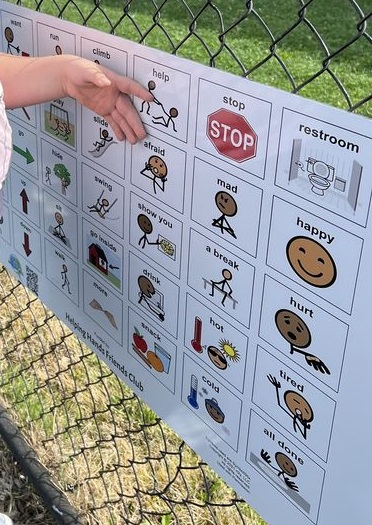
Inspiring Connection Through Weatherproof Communication Boards
Engineering Inclusion for the Outdoors with Weatherproof Communication Boards The playground is a child’s primary laboratory for social development, a space where negotiation, cooperation, and friendship are forged through play.

Communication in Spring: Boosting Playground Engagement
Why Now is the Time for Playground Communication Boards As the winter frost recedes and the first signs of spring emerge, communities across the country begin to look toward their
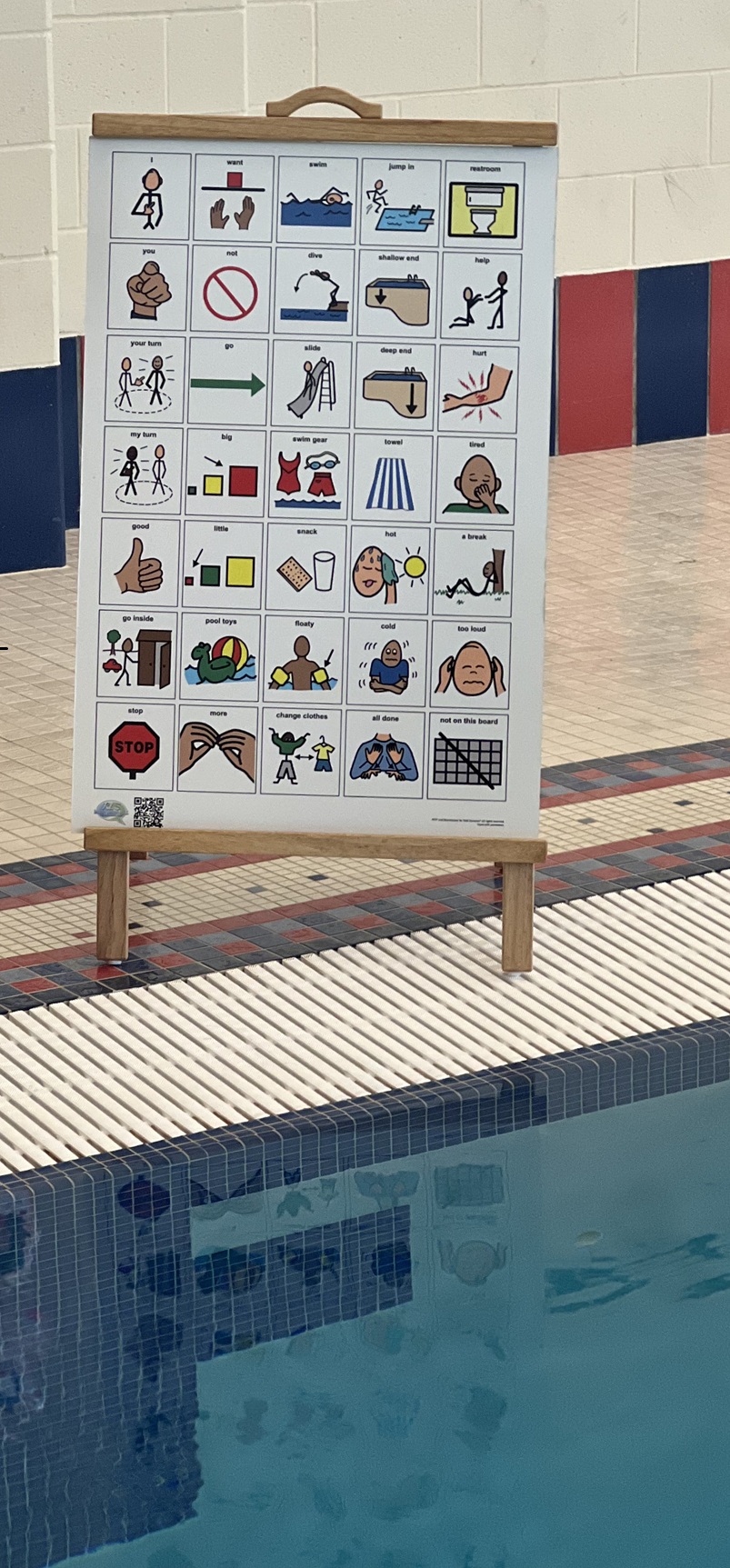
How to Create Communication Boards for Water Play Areas
For children with communication differences, water play areas can be overwhelming and isolating. Read how to enhance accessibility and inclusivity, implementing communication boards.
Effective Communication Boards in Schools
Communication Boards in Schools Matter More Than Ever As certified speech-language pathologists, we see firsthand how simple supports can transform a school’s culture. One tool that is gaining rapid traction,
A Guide to Selecting the Right Symbol System : The Power of Choice
The Power of Choice: A Guide to Selecting the Right Symbol System for Communication Boards Communication is the heartbeat of human connection. For many individuals, finding the right way to

Joyful Connections: Communication on Valentine’s Day
Love Without Limits: Meaningful Communication on Valentine’s Day Through Connection and Inclusion Valentine’s Day is a season that naturally turns our hearts toward connection, friendship, and the joy of telling
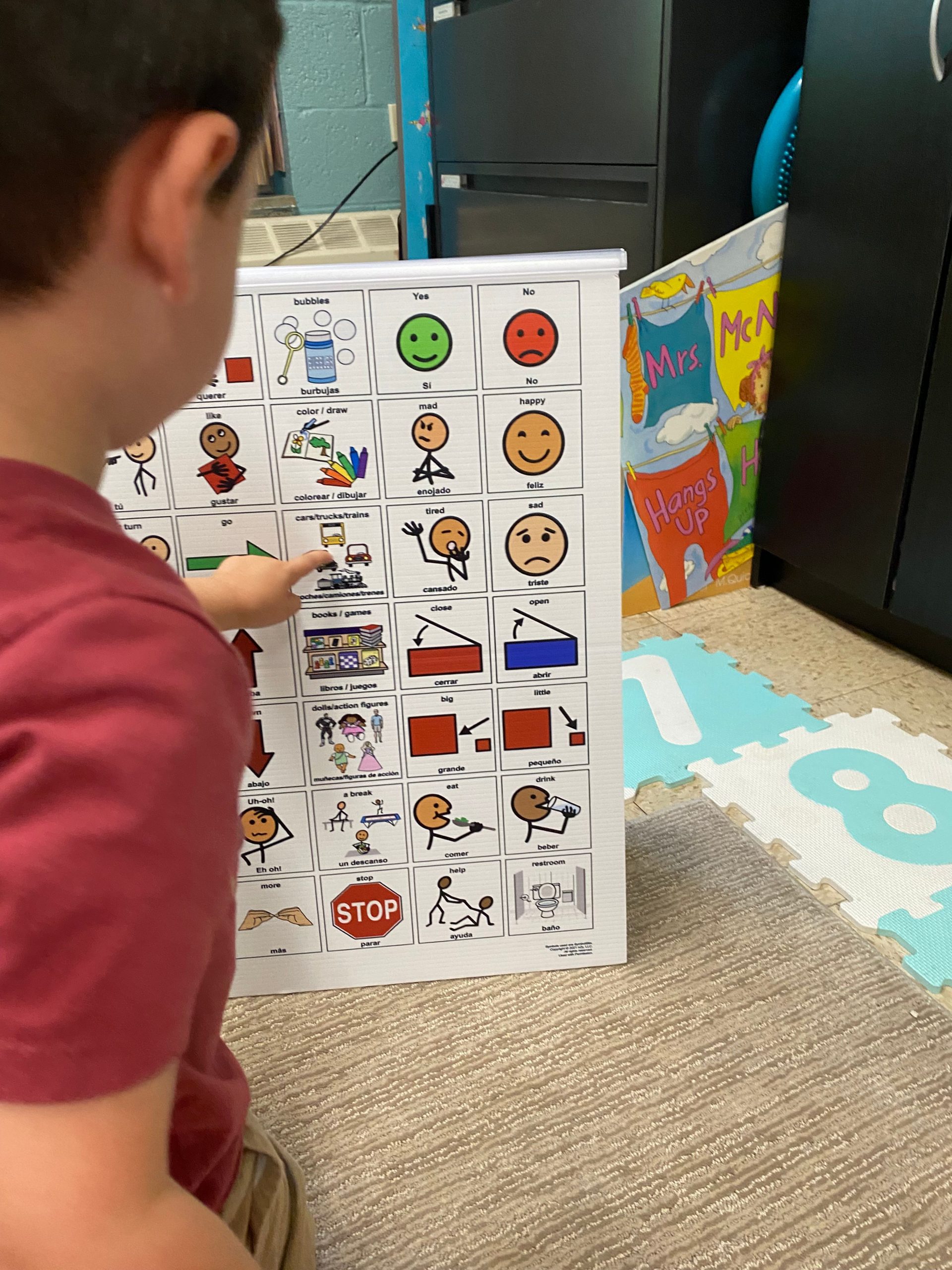
Communication Boards : The Ulitmate Parent’s Guide
Communication Boards: Parent Guide to AAC Supporting Communication Everywhere At Resources at Lakeshore Speech, our team of certified speech-language pathologists designs durable, evidence-based communication boards for kids to bridge the
Communication Boards = Inclusive Public Spaces: 5 Questions
Inclusive Playground Communication Boards: What They Are and Why They Matter in Public Spaces The Shift Toward Inclusive Play At Resources at Lakeshore Speech, our team of speech-language pathologists works
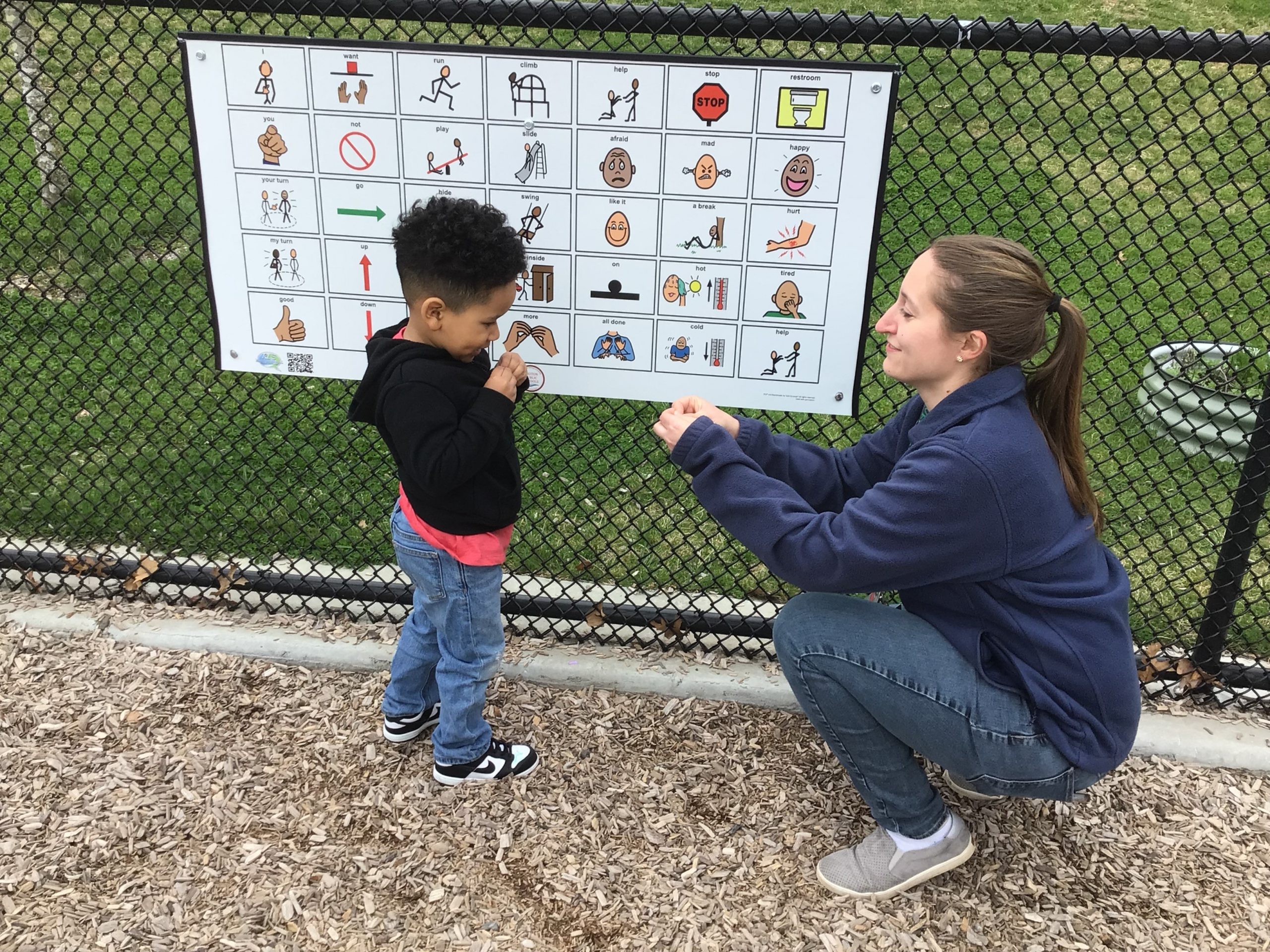
Empowering Playground Communication Boards: Enhancing Inclusion for All
Playground communication boards promote inclusion, social interaction and engagement for all children. As speech-language pathologists at Resources at Lakeshore Speech, we work every day with children who communicate in diverse
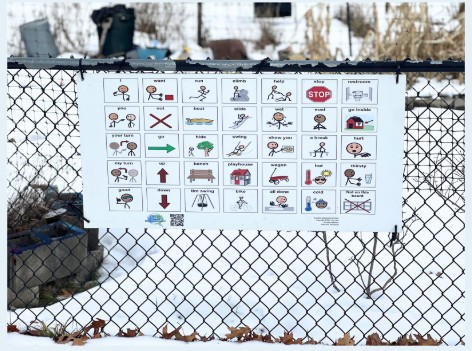
Communication Boards Enhance Holiday Joy
Discover how a communication board can transform holiday experiences for children with Autism and speech differences. Resources at Lakeshore Speech explores AAC strategies for inclusive celebrations.
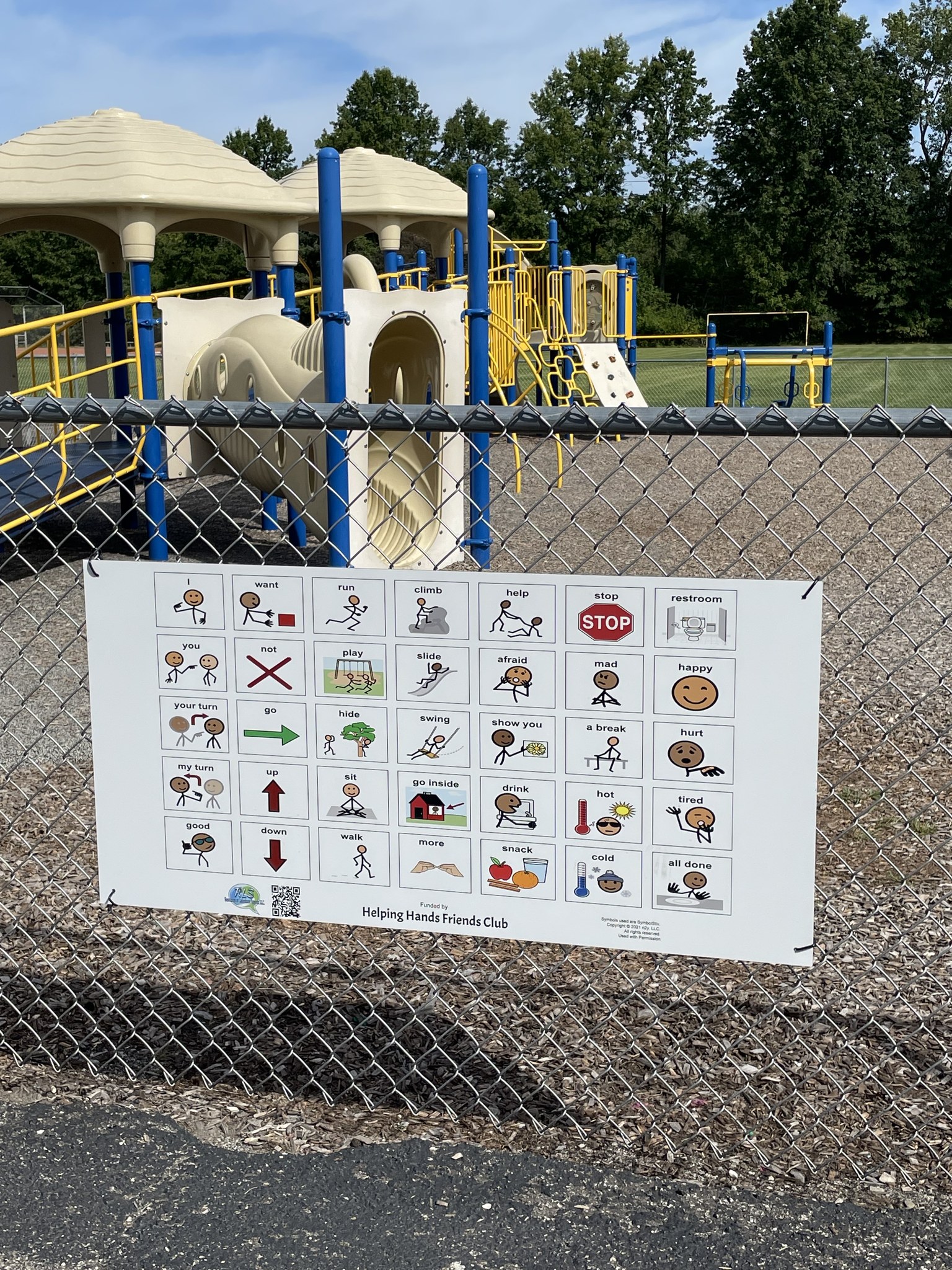
5 Proven Ways Communication Boards Build Language Skills
Discover 5 proven ways a communication board builds language in toddlers. Get expert speech therapy tips for autism, play and ending frustration.
How Communication Boards Boost Language Skills: Simple Guide
Learn how AAC communication boards support speech development, language learning and student independence in schools and communities.

12+ Empowering Communication & AAC Tips: Create an Inclusive Thanksgiving
Make Thanksgiving more inclusive with communication support, AAC ideas, and autism-friendly strategies. Practical tips for a smoother holiday.
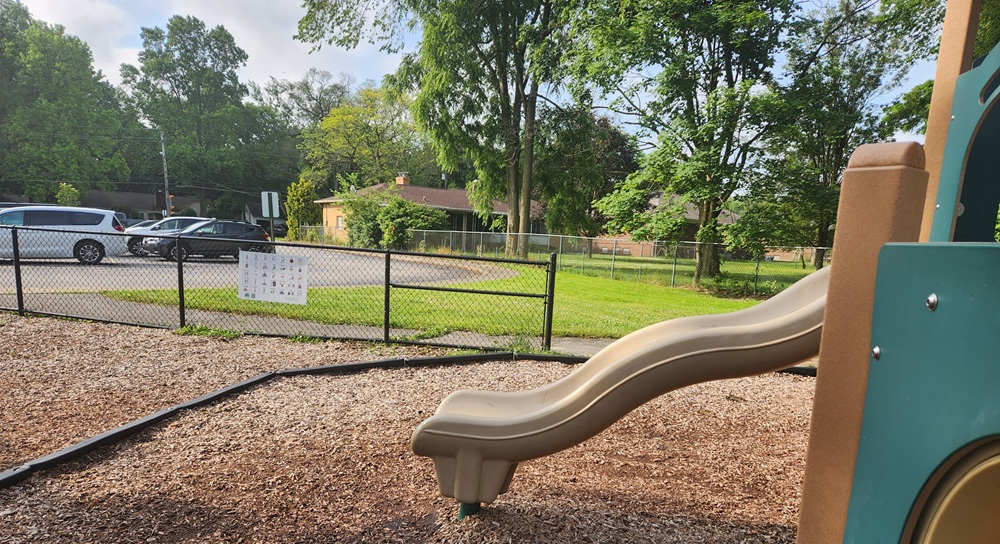
9 Reason Why Communication Boards Belong in Play
Discover why communication boards belong in every playground—promoting inclusion, ADA compliance, and connection for all children.
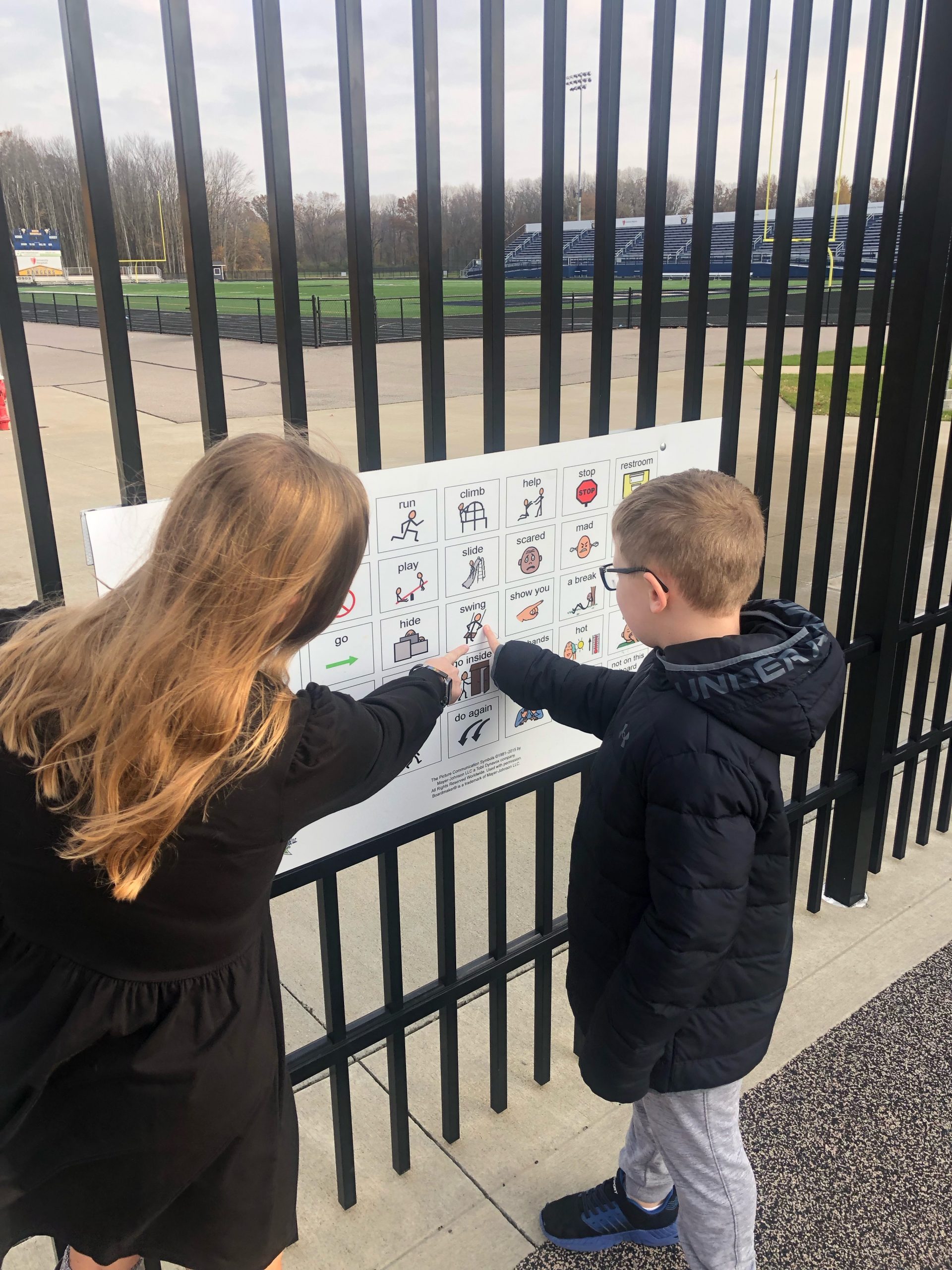
We Have the Communication Board-What Now?: AAC Tips
New to AAC or communication boards? Get speech therapist tips, starter words, and a 4-week plan to help your child begin communicating with confidence.
Promote Inclusion
Boost back-to-school inclusion with playground communication boards. Support AAC, foster friendships and give every child a voice at recess.
Impactful Playground Communication Boards:Make Voices Thrive
Discover how playground communication boards help kids with social skills, emotions, & confidence. Build a community where everyone's voice matters.
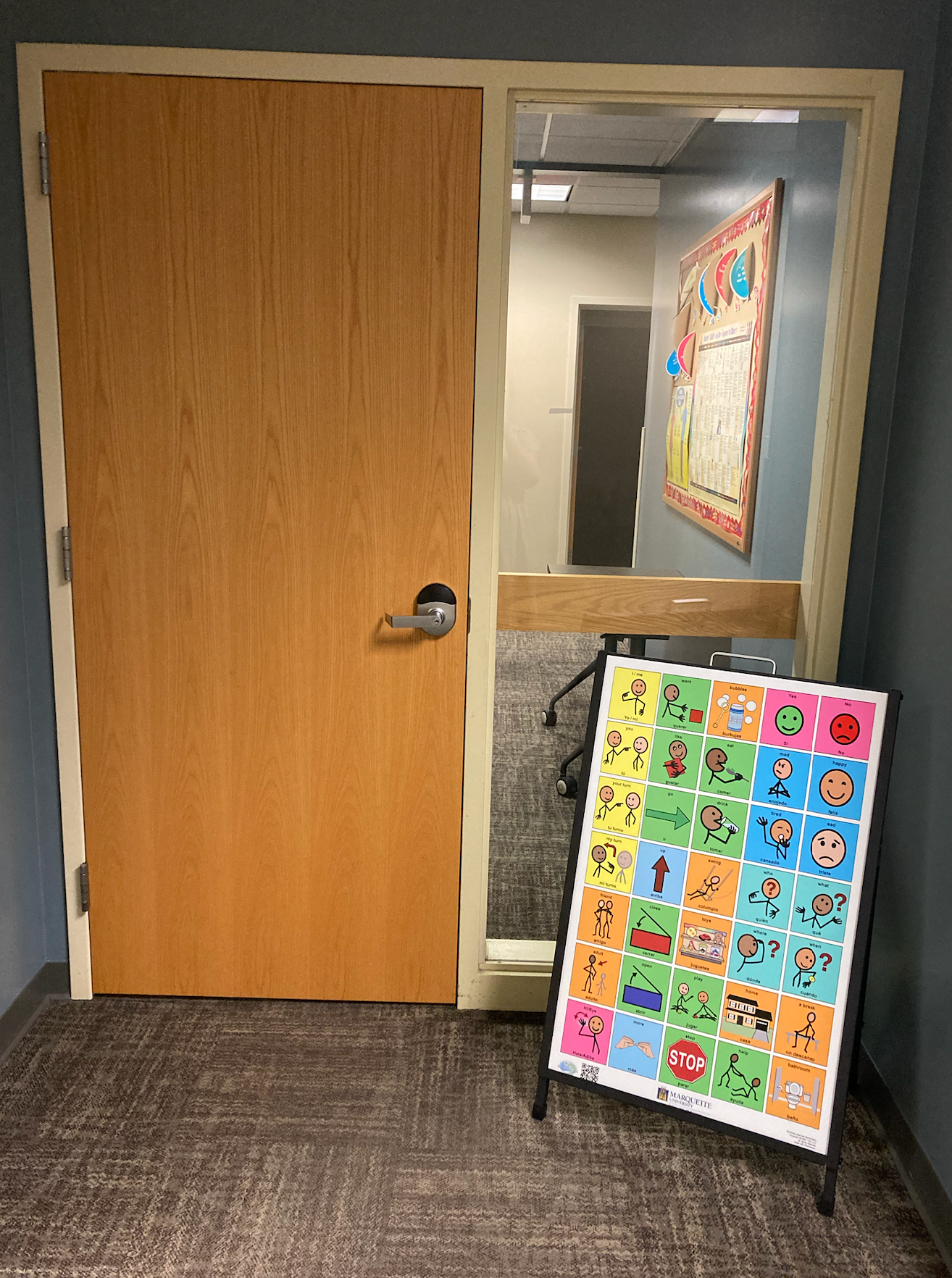
Professional AAC Workshop: Guiding the Next Gen of SLPs
Resources at Lakeshore Speech’s AAC workshop bridges classroom learning with real-world impact, teaching grad students to design inclusive communication boards.
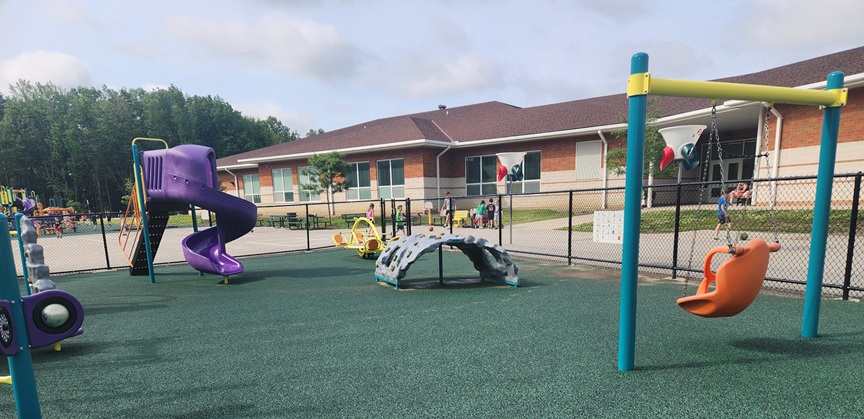
6 Ways To Fund Communication Boards:Empower Every Child
Discover 6+ funding options to bring communication boards to your playground. Explore grants, sponsors, and campaigns that support inclusive play for all.
Outdoor Communication Boards: How to Enjoy Summer Fun with Purpose
Outdoor communication boards turn summer play into language-building fun! Support AAC users with inclusive tools that spark speech and connection at every park.
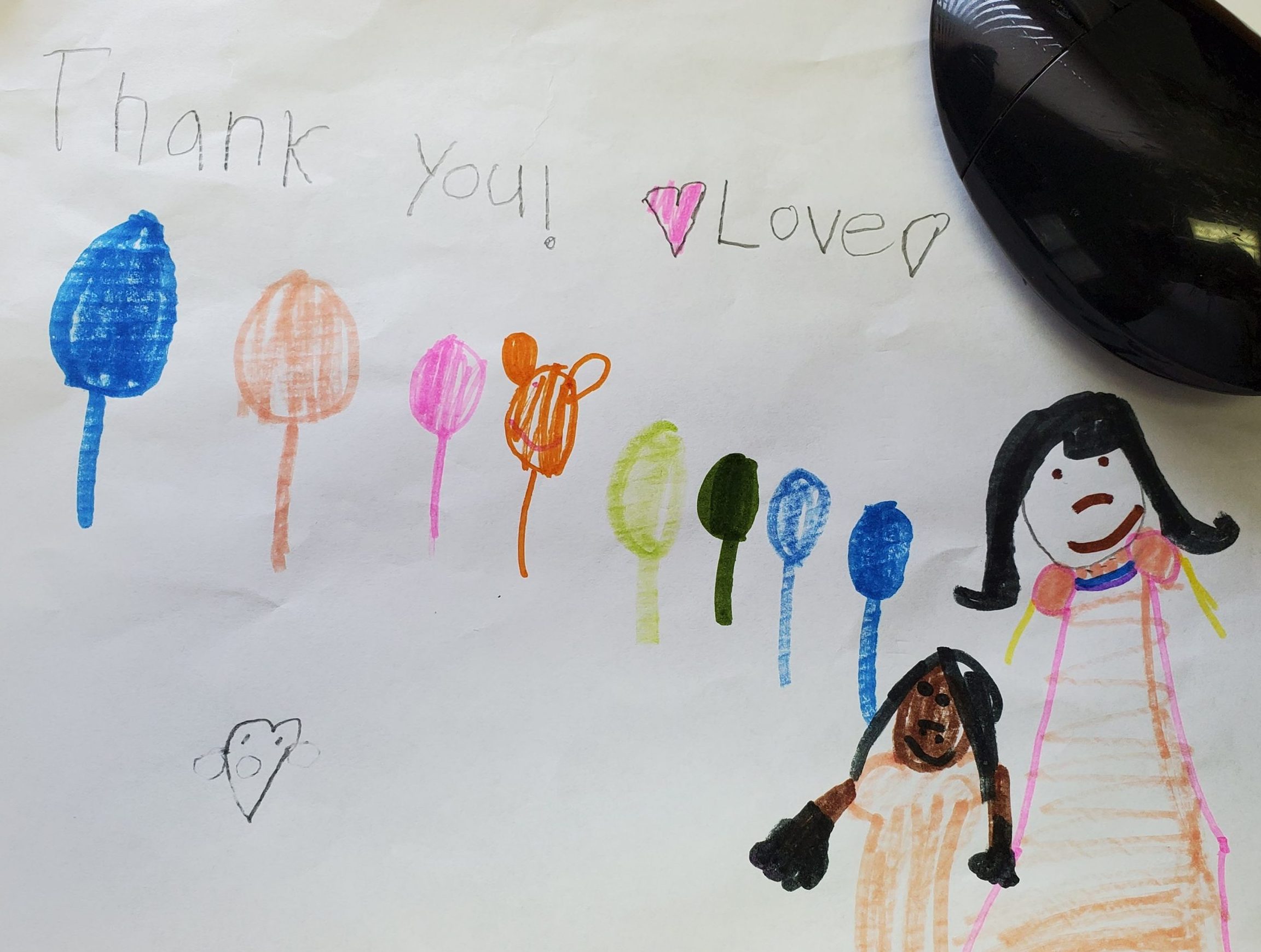
Speech Month: Celebrating SLPs & Hearing Awareness
Celebrate Better Speech and Hearing Month! SLPs help all ages with communication, swallowing, advocacy, research, and more to improve lives every day.

SeeMyLegacy: Funding Communication Boards for Municipalities
Discover how SeeMyLegacy empowers communities to fund communication boards, boosting inclusion and engagement in public spaces.
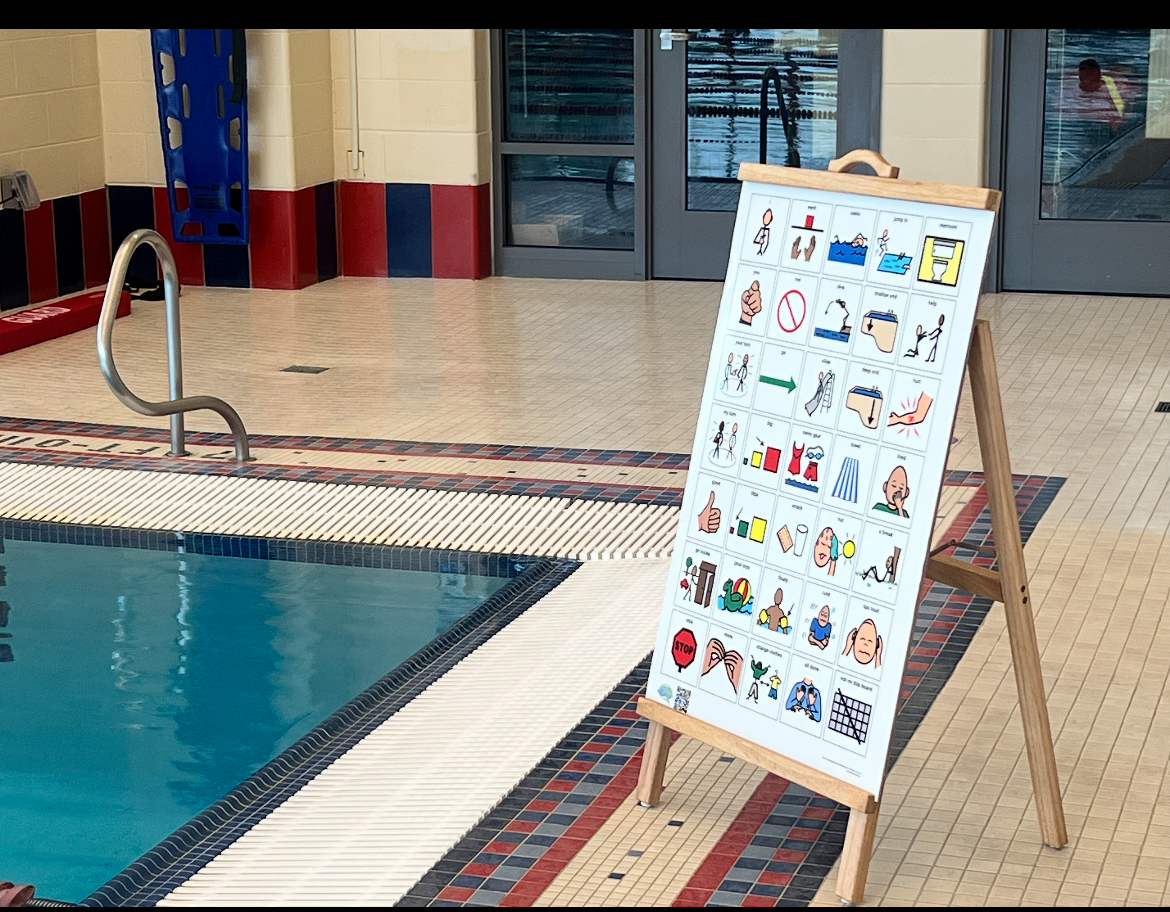
How to Make Water Safety More Inclusive:Communication Boards
Poolside communication boards make water safety more inclusive, ensuring nonverbal swimmers can express needs, follow rules, and enjoy aquatic fun safely.
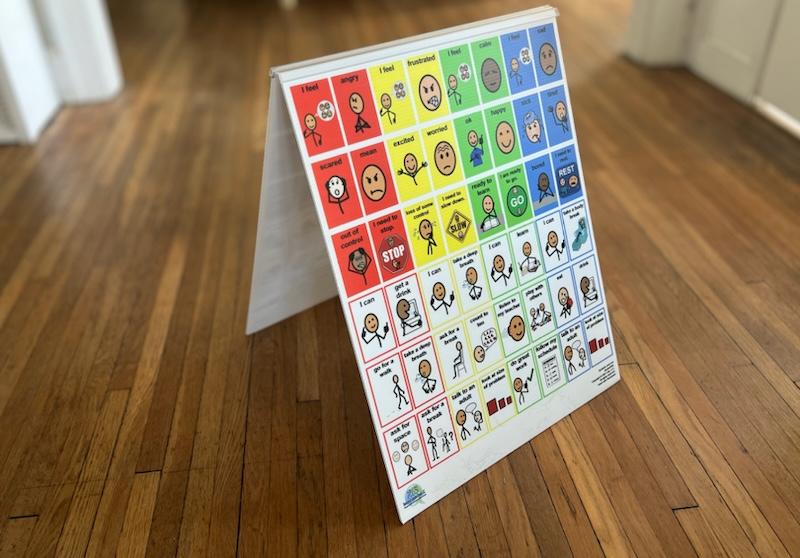
How to Avoid Emotional Meltdowns : Emotional Balance Boards
Struggling with meltdowns? Emotional regulation boards help kids & adults express feelings, prevent overload, and boost communication when words are hard.
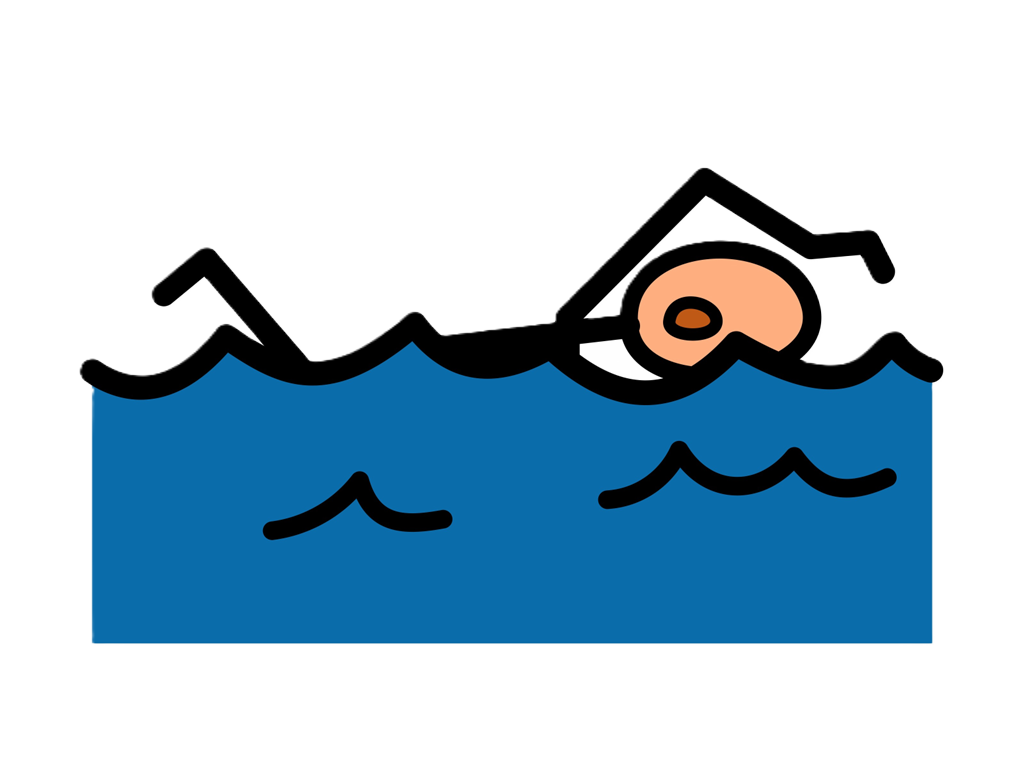
Pool Communication Boards: How to Create Waterproof Words
Poolside communication boards enhance safety, inclusivity, and accessibility, ensuring everyone—regardless of communication style—has a voice at the pool.
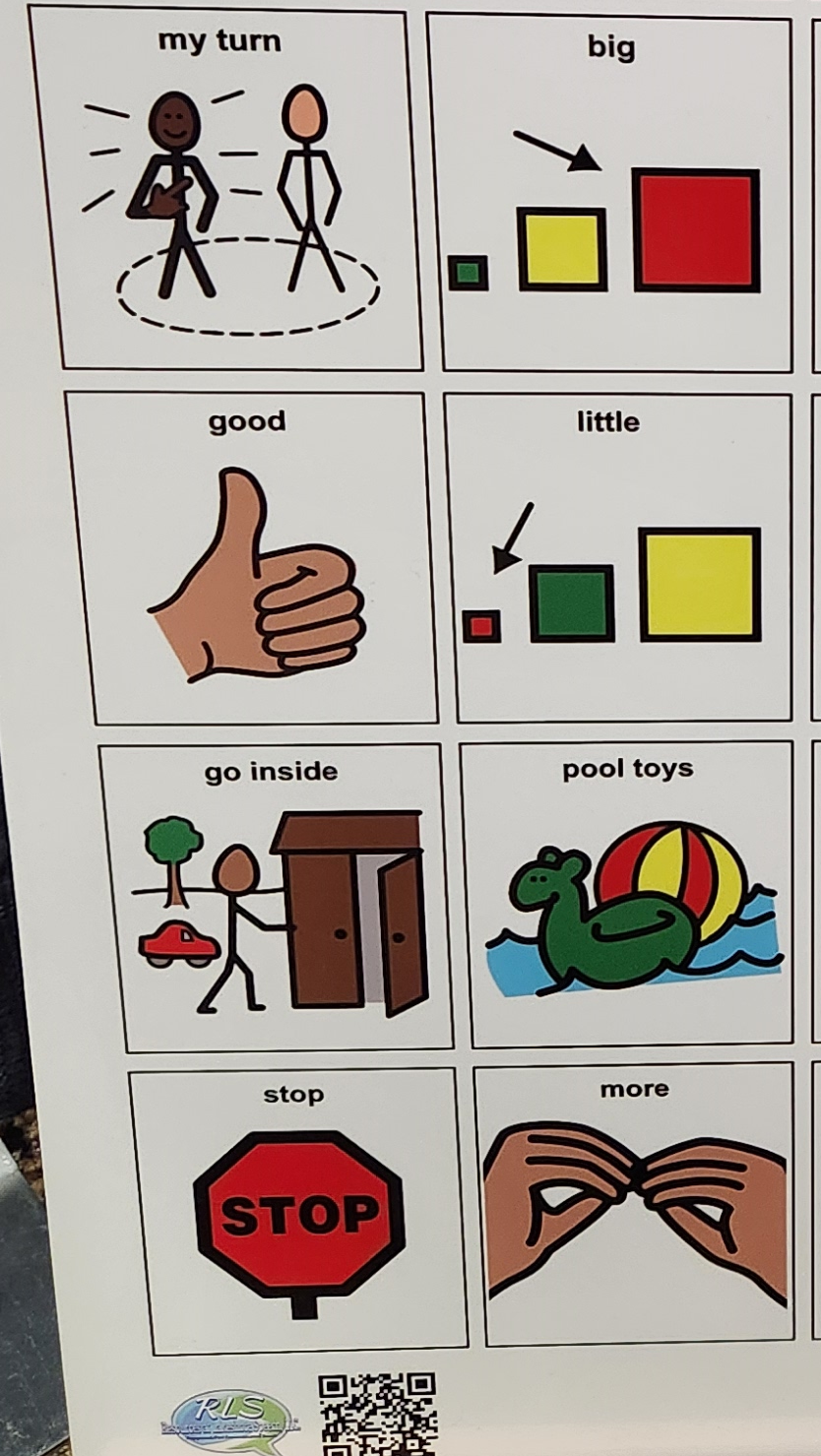
7 Important Tips: Adaptive Swimming & Communication Boards
Swim instructors can use communication boards to ensure safety & support individuals with communication differences in adaptive swim lessons for an inclusive experience.
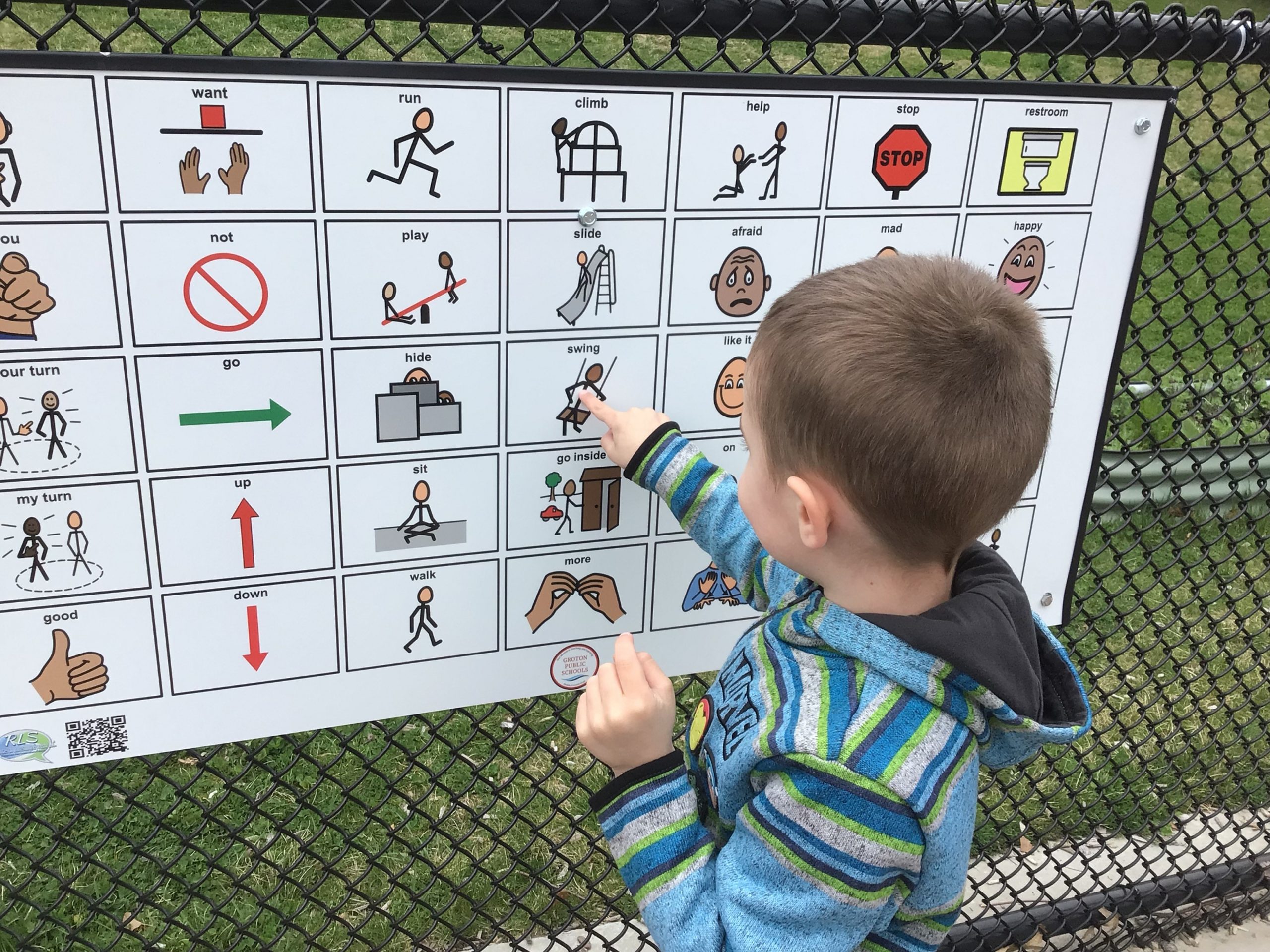
5 Ways to Dispel Myths about Alternative Communication (AAC)
Uncover 5 common myths about alternative communication and learn the evidence-based truths that empower AAC users to communicate effectively.
5 Important Tips for Supporting AAC Users
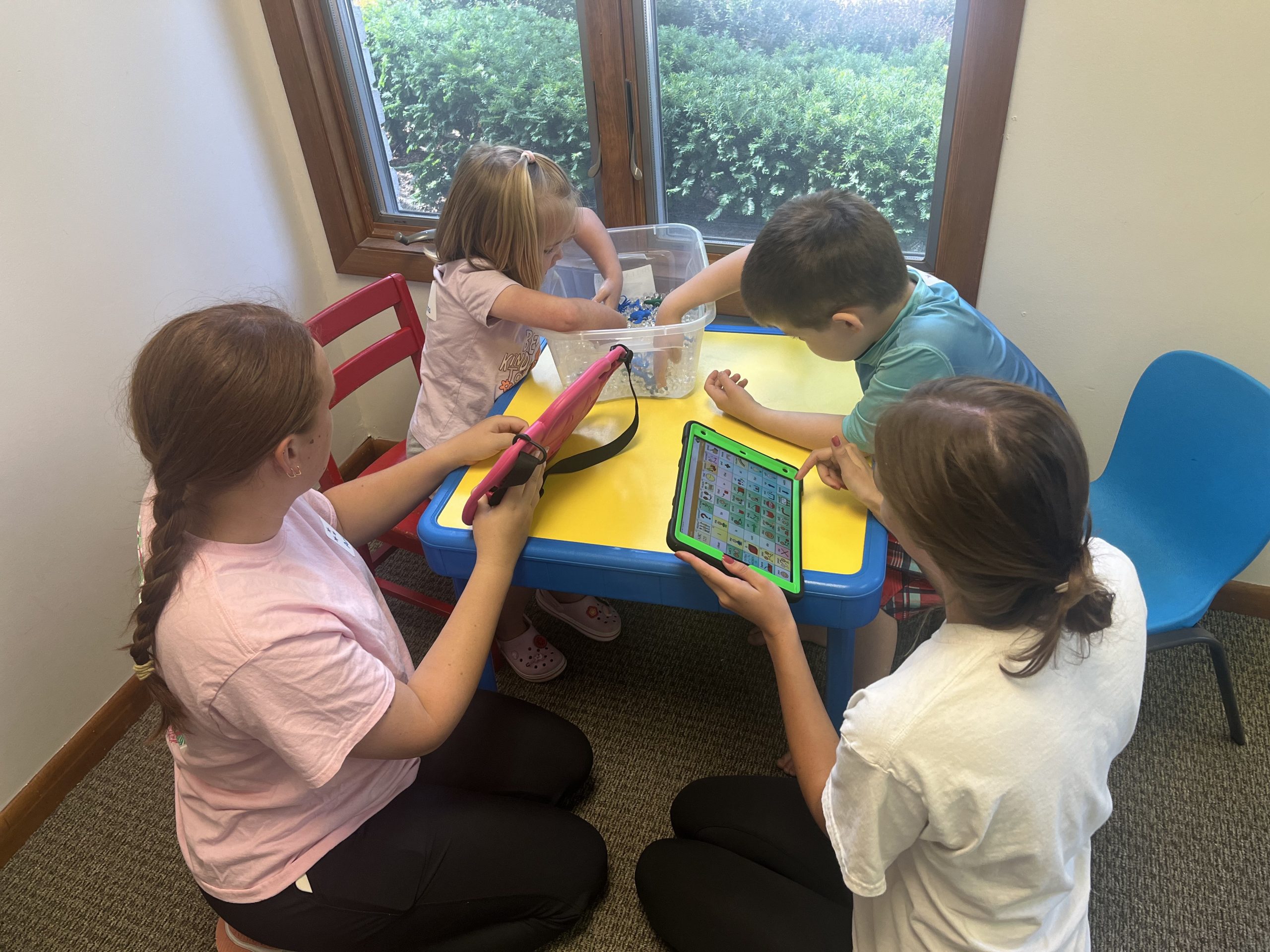
Tips for supporting AAC users of all ages for creating an environment to where everyone's voice is valued and heard.
Empowering Emotional Balance Boards for Home & School
Discover how emotional regulation boards help individuals express emotions, build social-emotional skills, and develop coping strategies at school, home, and beyond.
Community Communication: 10 Essential Tips for Success
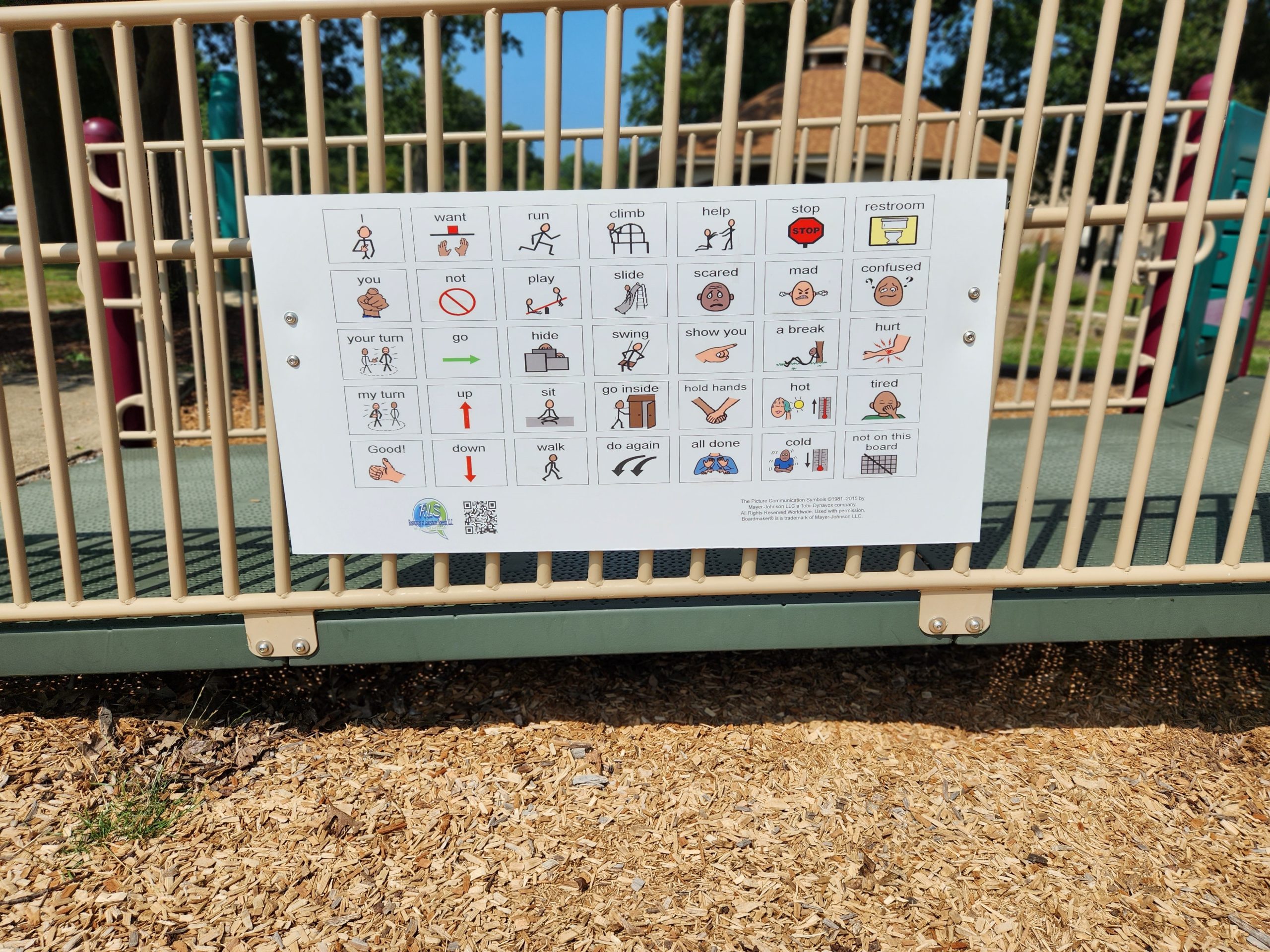
Learn 10 key steps to bring a communication board to your community, from planning and funding to installation and education for inclusivity.
How to Create Magical, Inclusive Spaces: Parks & Rec
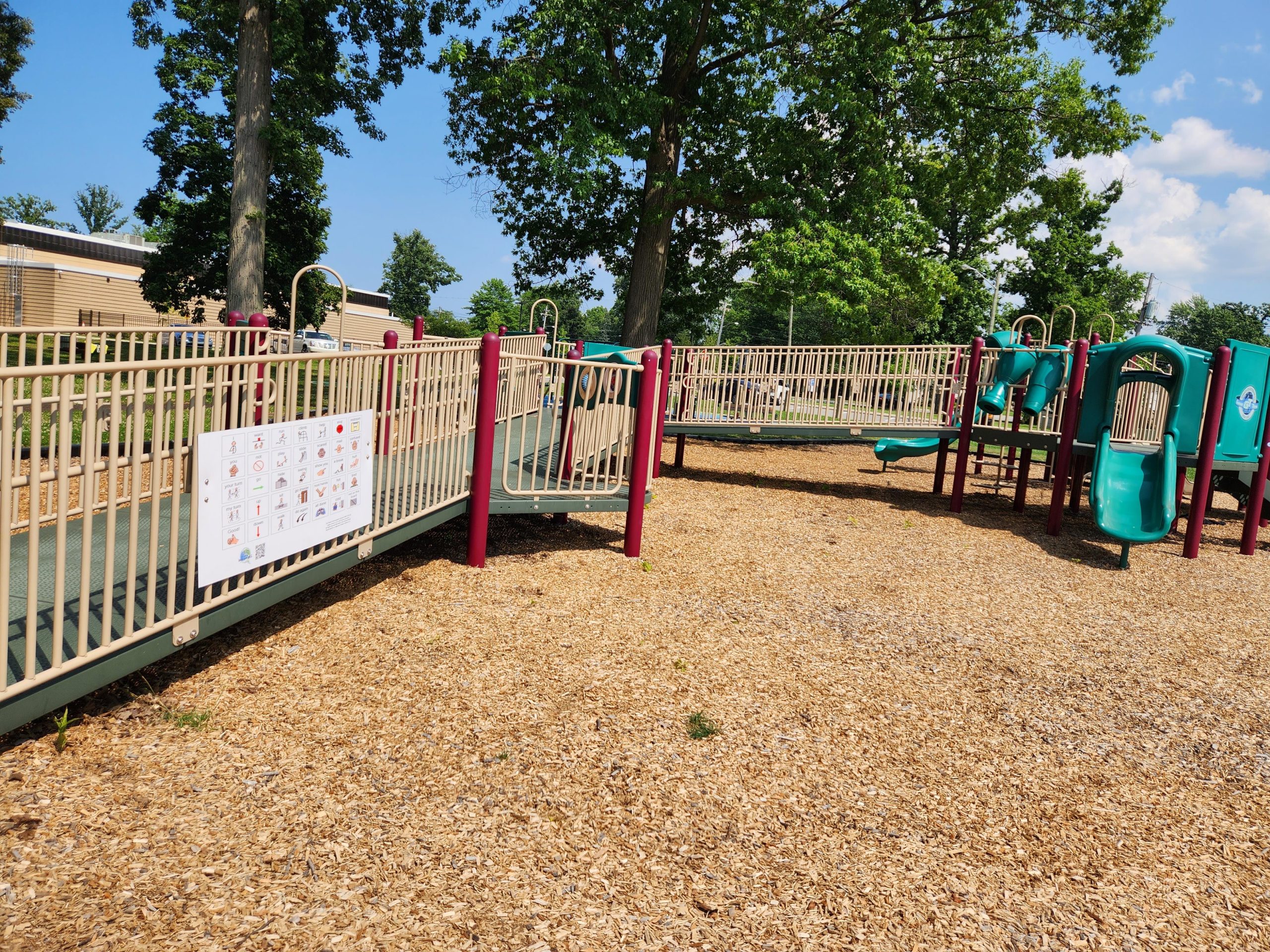
Parks & Rec Dept can make playgrounds and pools more inclusive by adding communication boards, fostering inclusion, safety, and independence for all children.
What Makes Our Price Savings Commitment Unique?
Passing cost savings to customers shows our commitment to affordable communication boards, empowering lives and fostering trust, accessibility, and inclusion.
How to Enhance Playground Safety: Communication Boards
What happens when a child faces an emergency on aplayground —like getting hurt or feeling lost—and struggles to communicate their needs? This is where playground communication boards become an essential tool for inclusion and safety.

Thanksgiving Celebration:12 Tips to Support Children
For families with a child on the special needs, celebrating Thanksgiving may require some thoughtful preparation to ensure a comfortable and enjoyable experience. Here are some tips to help you prepare for a meaningful holiday celebration.
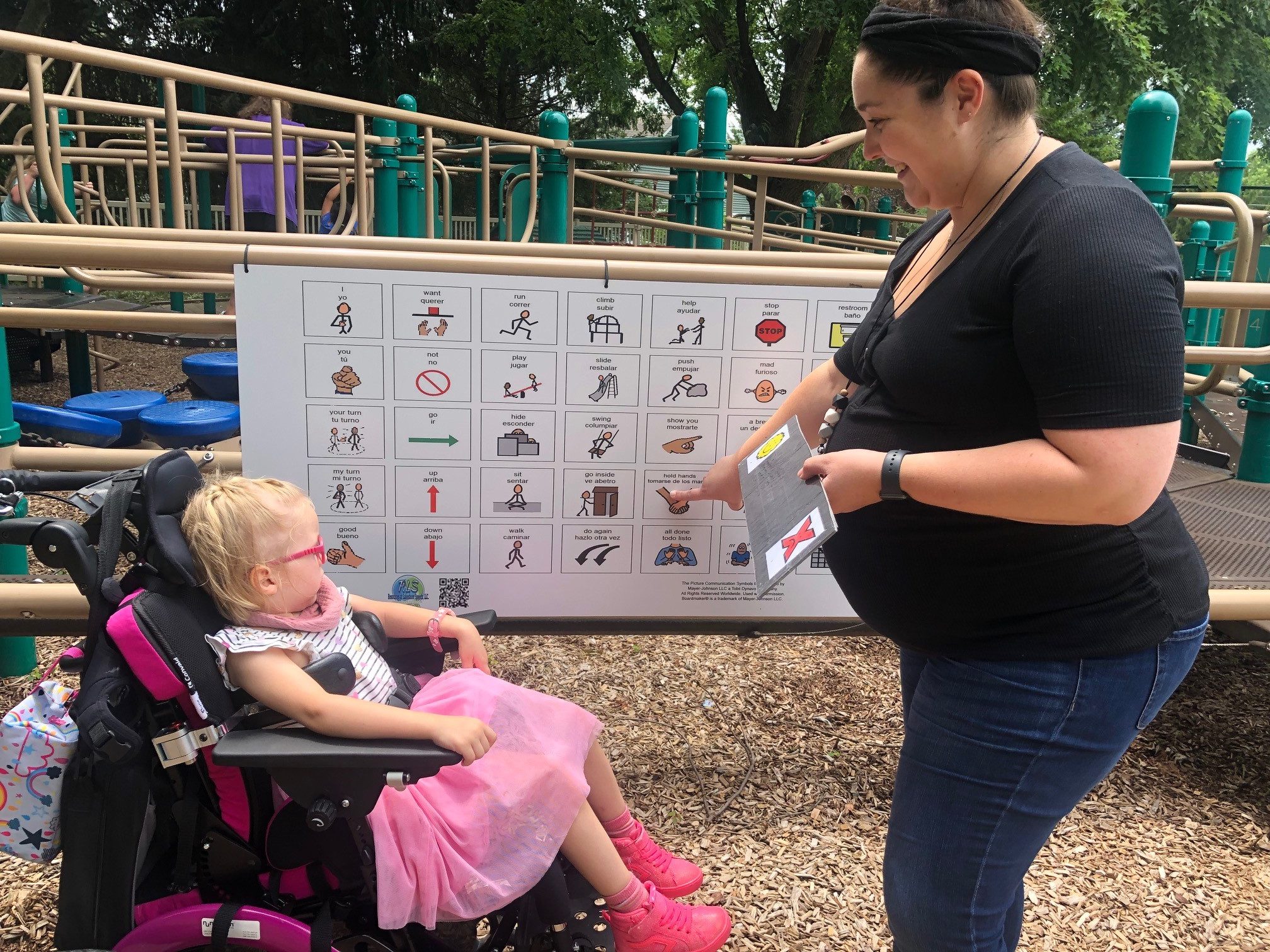
Boost Community Engagement:Playground Communication Boards
Playground communication boards are a wonderful addition to parks and recreation spaces. Eplore why playground communication boards may be underutilized, and some ideas on how to make these boards an integrated part of playground experiences.
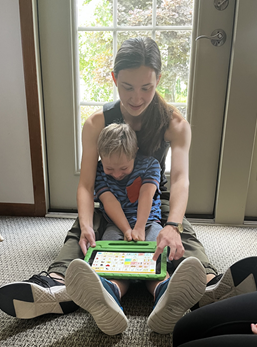
Private Speech Therapy: Unlocking and Enhancing Communication
This guide is here to help you understand what happens in speech therapy, how therapists work toward your child’s goals, and ways to feel more engaged and connected along the way.
Creating Joy: Celebrating AAC Awareness in Our Communities
Nonprofit organizations and advocacy groups have a unique opportunity to use playground communication boards as a way to raise awareness about AAC and promote inclusivity for all children.
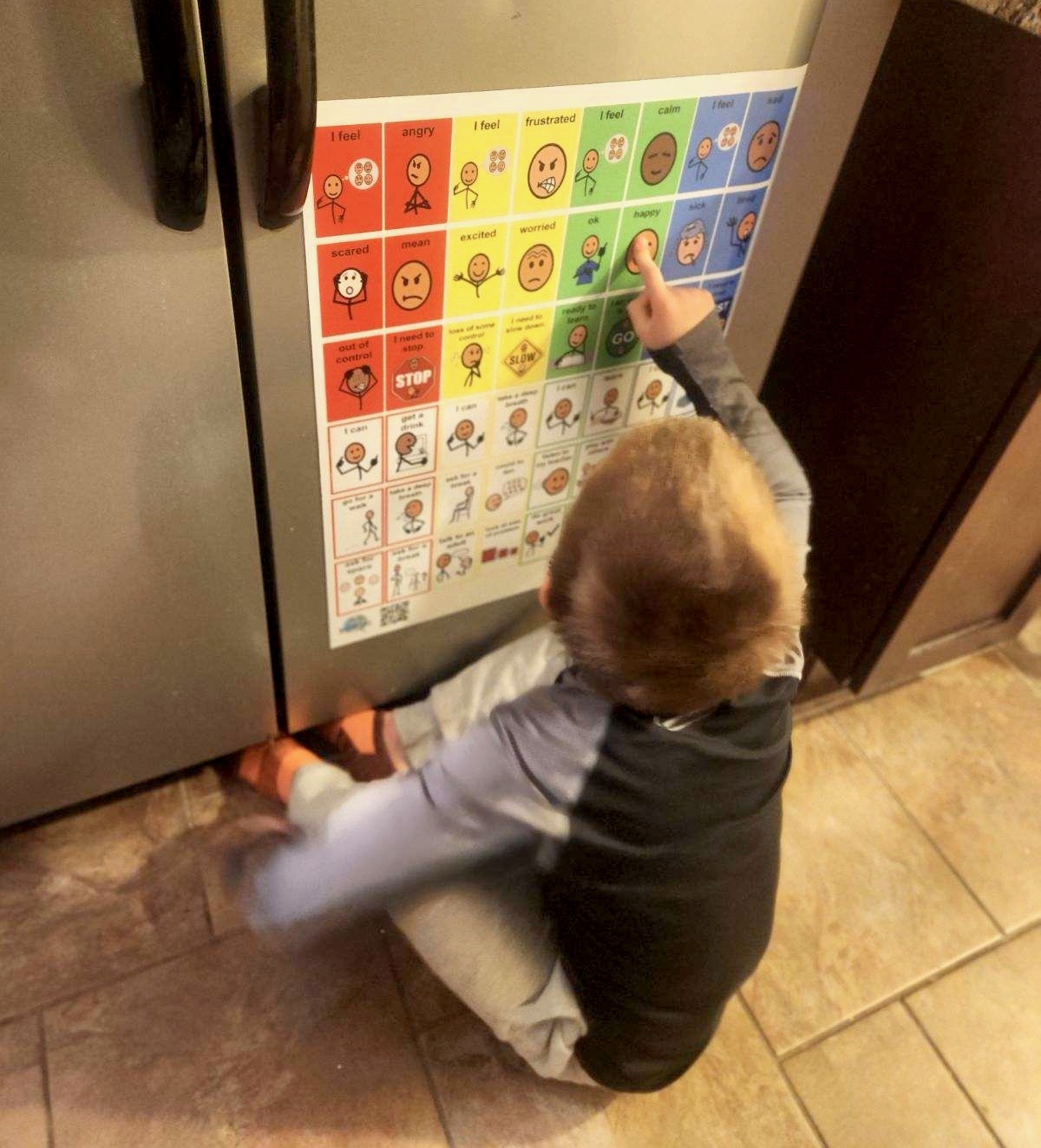
Emotional Balance Boards: How to Navigate for Parent Concerns
Explore three common concerns related to the use of emotional balance communication boards: frustration with limited understanding from individuals working with the child, the desire for easier, more intuitive boards, and the worry that your child won’t use the board effectively.
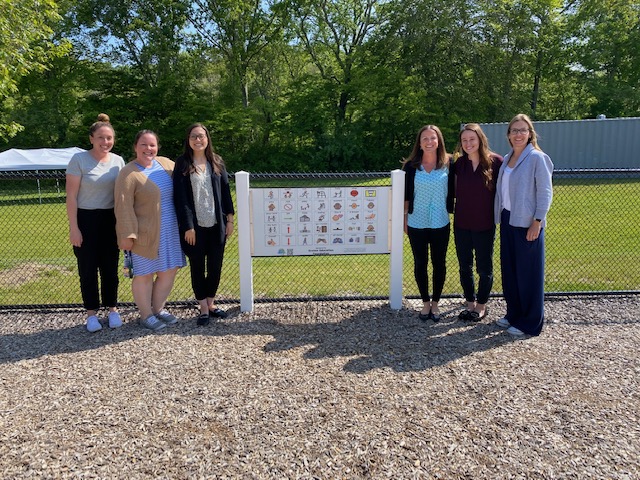
Advocate for Playground Communication:Frustration to Success
Explore some common frustrations, desires, and fears surrounding the issue of advocating for communication boards in playgrounds, and how you can stay hopeful and connected as an advocate for your child and your community.
How to Navigate Progress in Speech Therapy: A Parent’s Guide
We'll explore some common frustrations, desires, and fears families experience around speech therapy and provide some encouragement for the journey.
Why Communication Boards Are Ideal For Playgrounds : What You Need To Know
One tool that stands out in its versatility and practicality is the static communication board. When it comes to inclusive play areas like playgrounds and pools, static communication boards are not only effective, but they also offer unmatched ease of use, durability and accessibility.
Scouts Create Quality Communication-Empower Communities
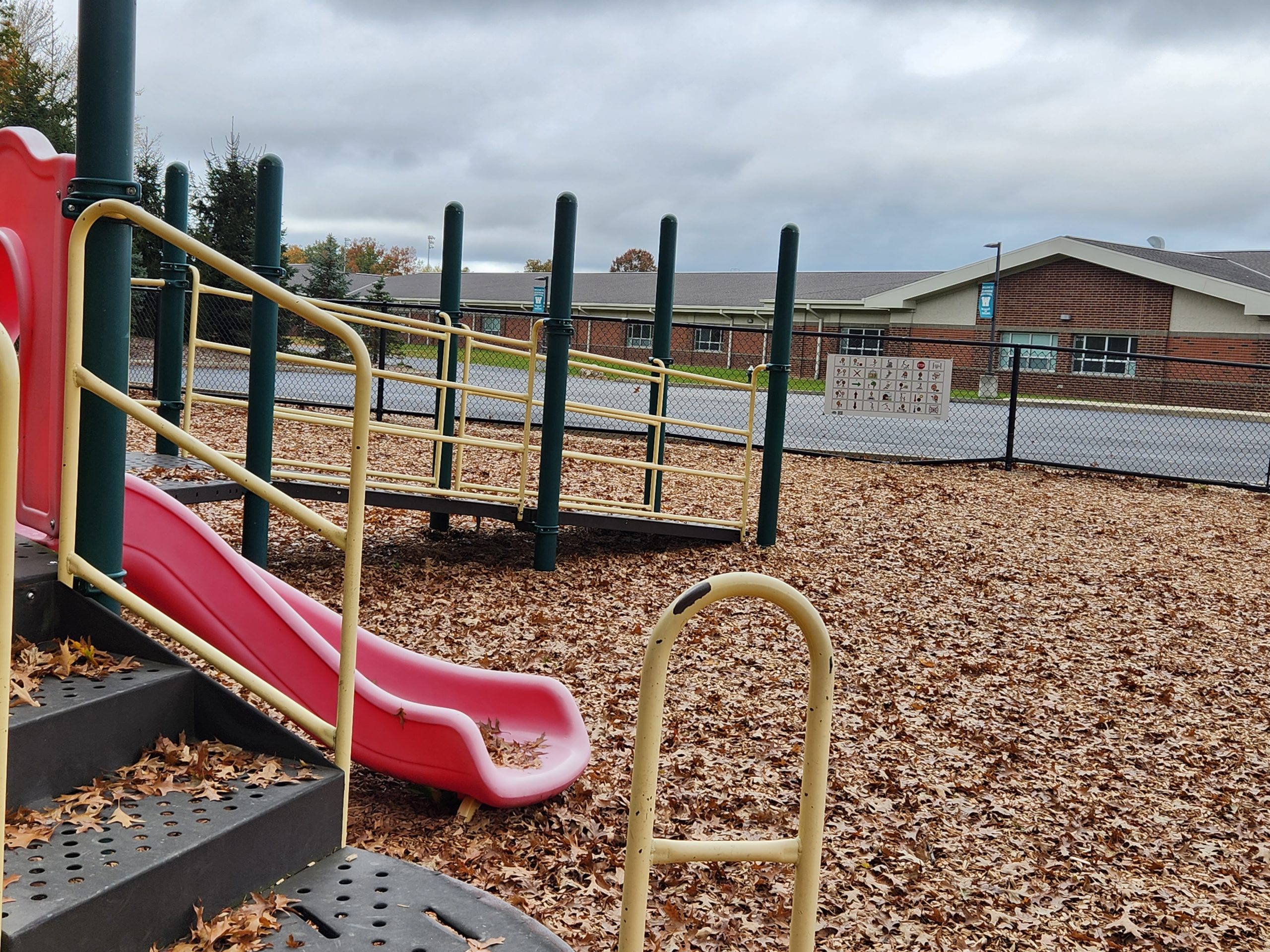
For young leaders seeking to make a lasting impact through their Eagle Scouts or Girl Scout Gold Award projects, installing playground communication boards is not only a meaningful endeavor but one that can profoundly change the lives of children and families in their communities.
How to Survive After School Routines: A Guide for Parents
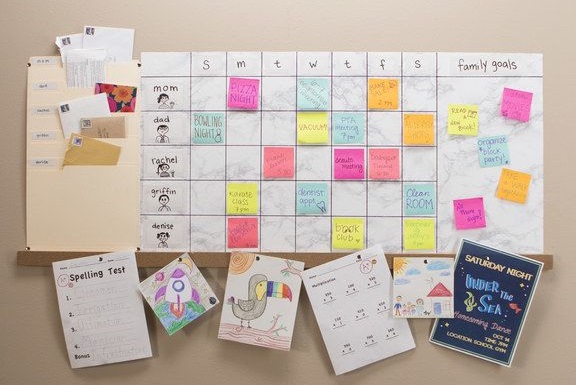
The after-school hours are a crucial time for reinforcing what your child has learned in school, but they’re also an opportunity for growth in other areas. We’ll share some practical tips to help you and your child navigate these busy hours.
Private Speech Therapy : Important to Consider
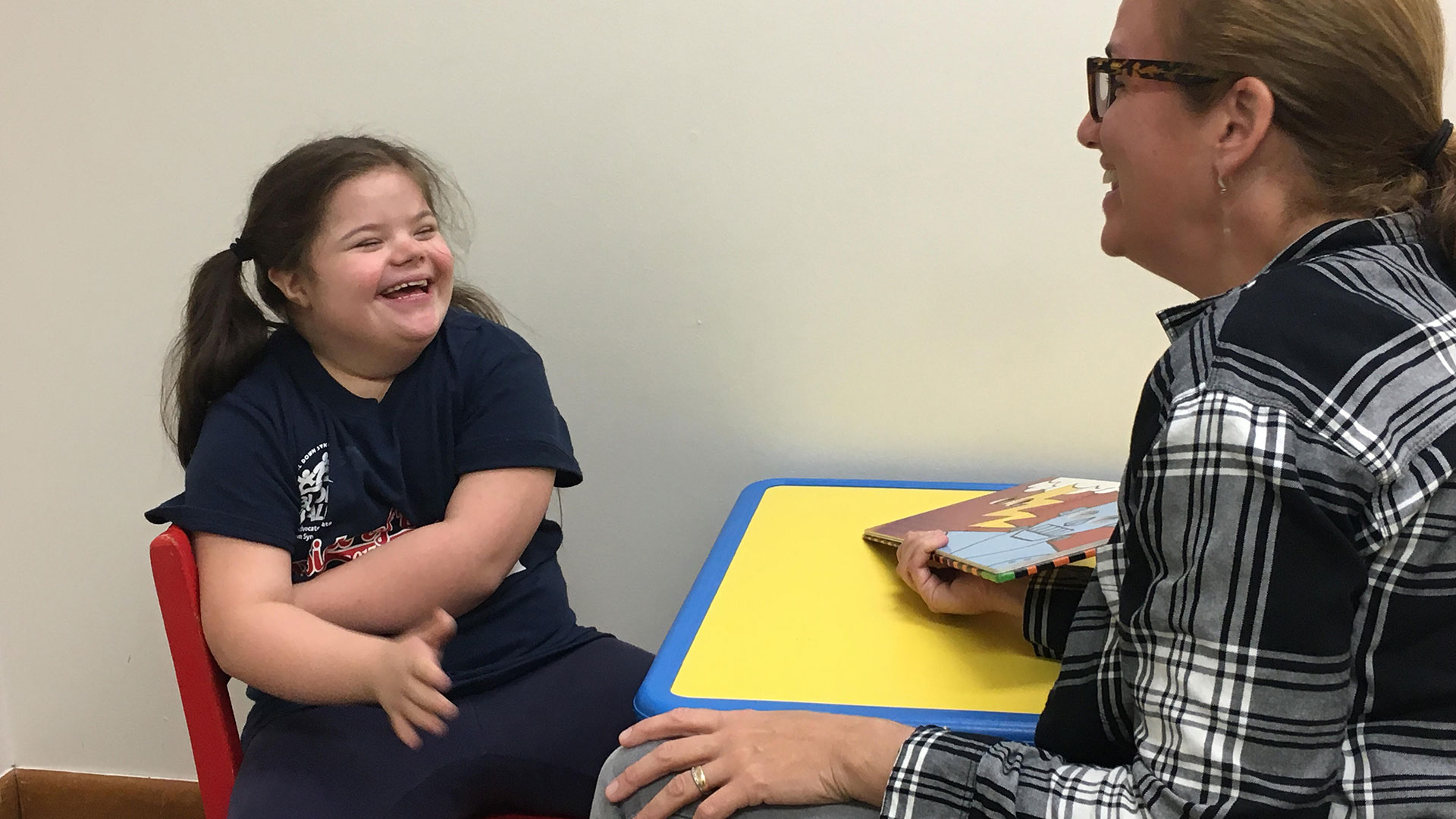
Many children receive speech therapy services at school, but onsidered augmenting these services with private speech therapy. In addition to school-based services, private speech therapy can make a significant difference in your child's progress.
How to Advocate: Community Engagement Guide
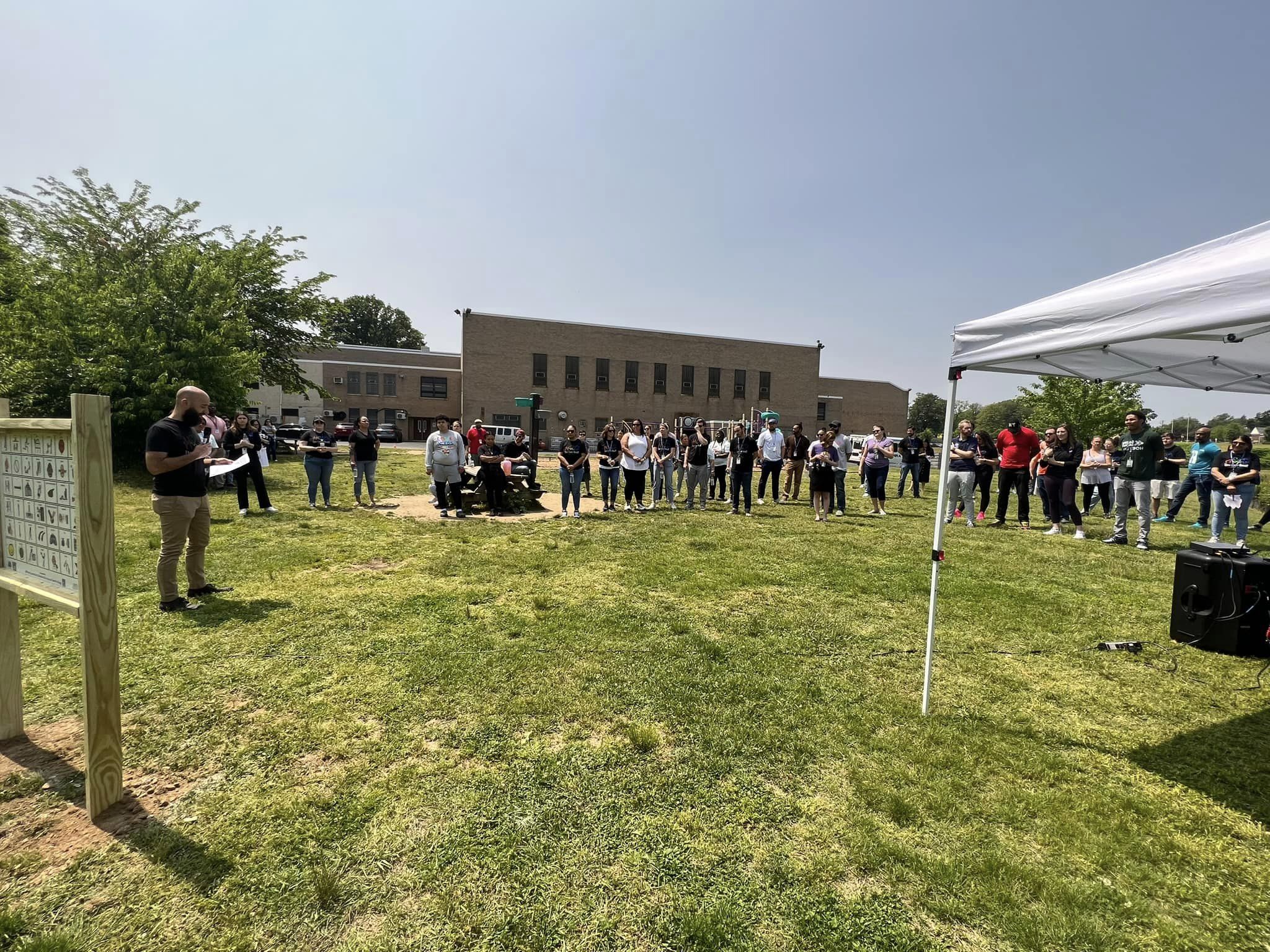
We are aware and understand the profound impact that communication boards can have in creating inclusive, accessible environments for all children. This comprehensive guide will provide the strategies and insights needed to advocate effectively for the installation of communication boards in your local municipalities.
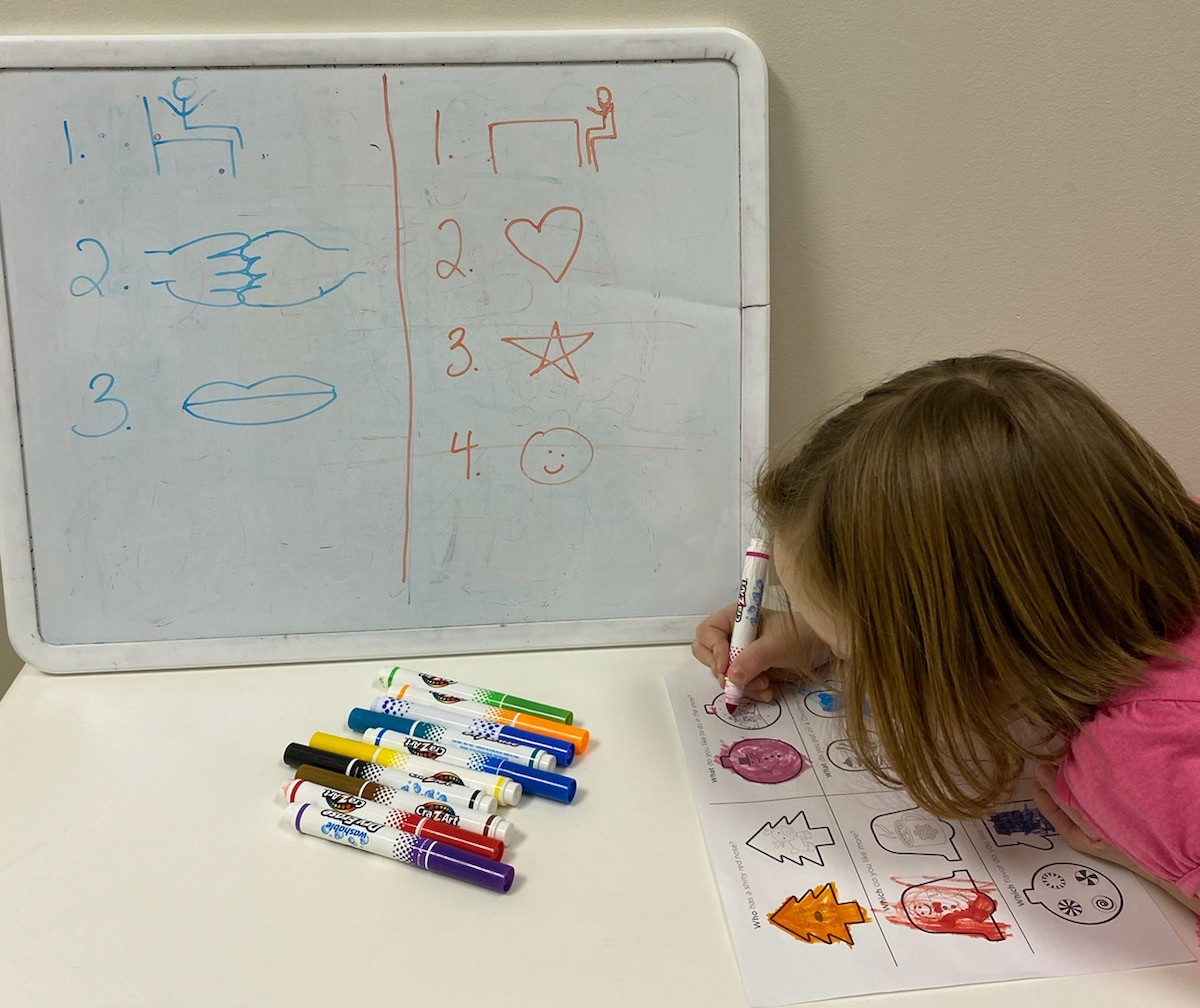
New School Year: A Guide for a Smooth Start
Preparing for a new school year can be both exciting and overwhelming. With a bit of planning and some practical tips, we can make this transition smoother and more enjoyable for both you and your child.
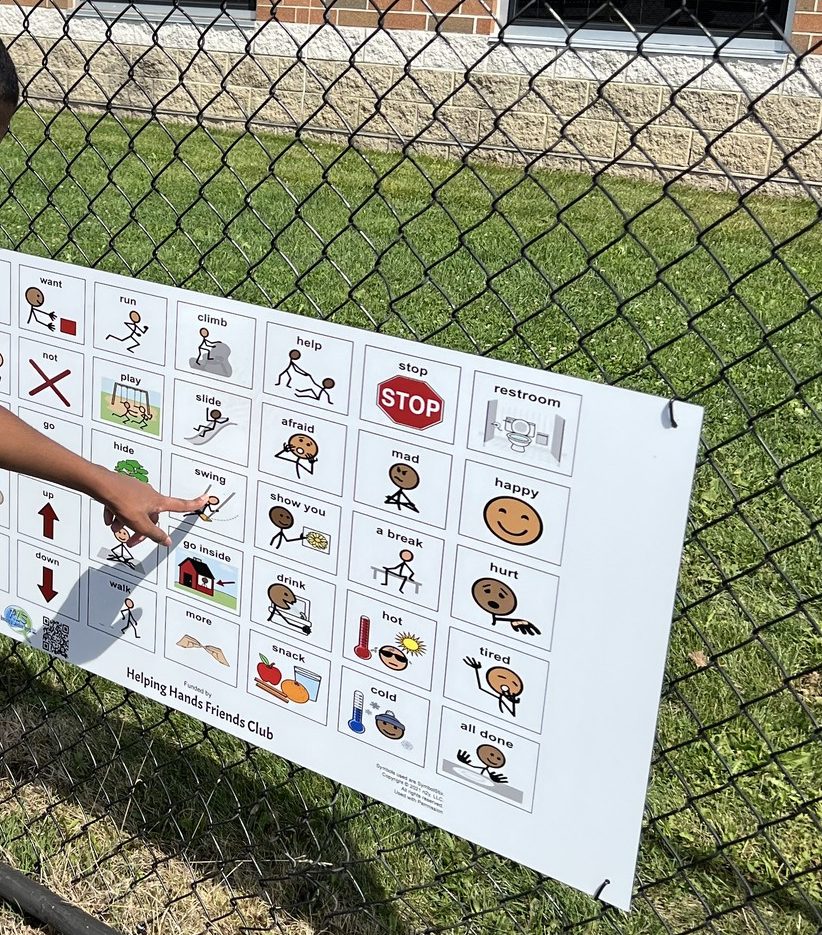
How to Create Sentences: A Beginners Guide for AAC
Communication boards are essential tools in augmentative and alternative communication (AAC) used to support individuals with speech and language differences. For those unfamiliar with AAC, creating sentences using core words on a communication board might seem daunting.
How to Communicate with Someone Using a Communication Board
Effective communication is essential for connecting with others, sharing ideas, and building relationships. For individuals using speech-generated devices (SGDs) or communication boards, interaction can be a bit different.
Revealing The Impact Of Communication Boards In Lowell, MA
July marks Parks and Recreation Month, a time to celebrate the vibrant public spaces. We turn our focus on Lowell, Massachusetts, where an innovative approach to inclusivity has made a significant positive impact on the community.
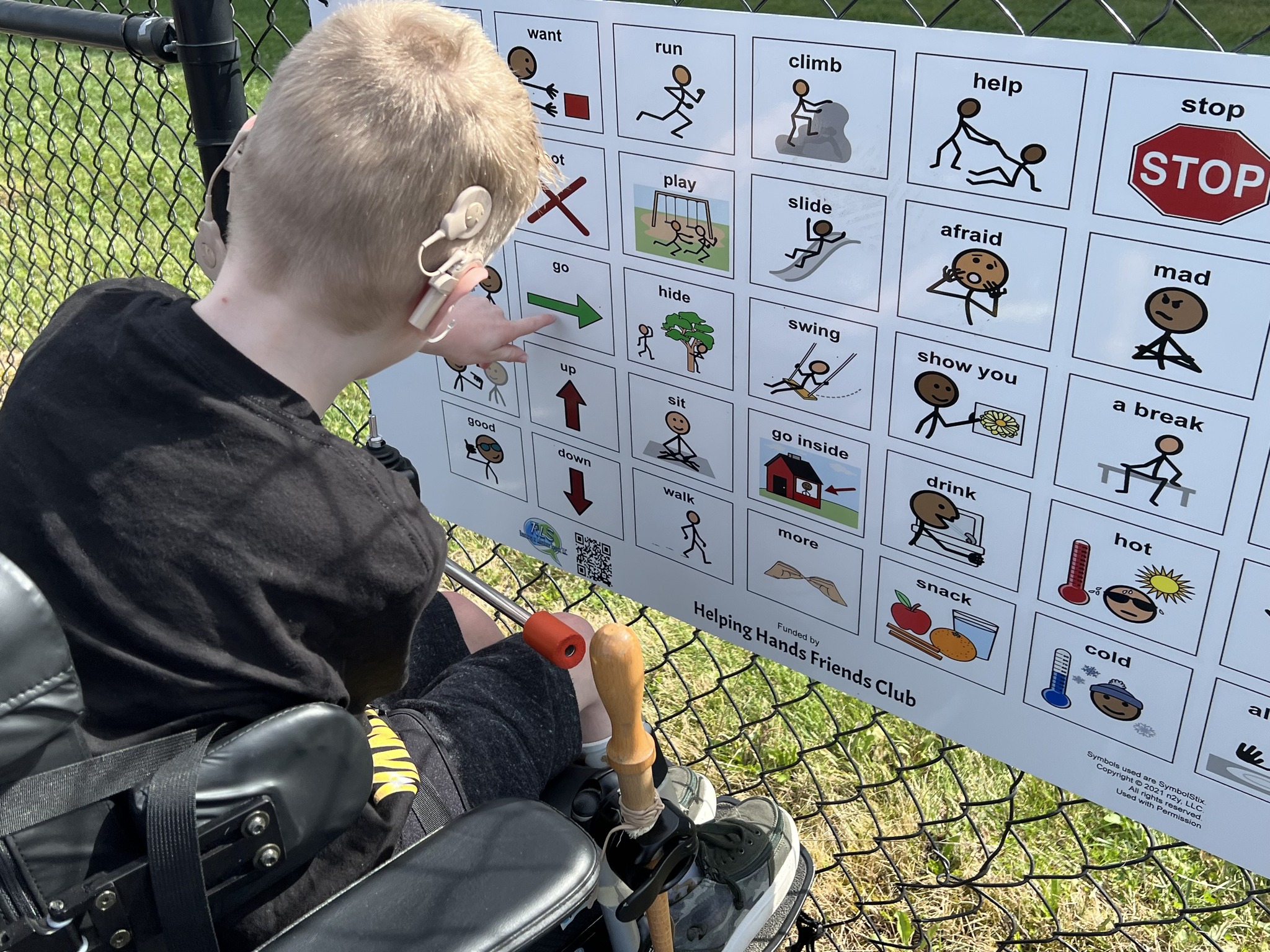
How To Create Genuine Connections:Powerful Impact of Communication Boards
Playground communication boards have emerged as a powerful solution to bridge the gap and facilitate meaningful relationships, especially for individuals with communication challenges.
How To Increase ADA Compliance: Communication Boards
In the realm of ADA compliance for playgrounds, it's crucial to prioritize communication boards alongside physical accessibility. While physical access is essential, integrating communication boards significantly enhances playground inclusivity for individuals with disabilities.
Gestalt Language Processing: Guide for Better Understanding
Gestalt Language Processing (GLP) is talked about a lot recently regarding a child's language development. Today we are looking at GLP and making more sense of it for families.

Practice Speech Therapy Skills : 10 Easy Activities
Spring is the perfect time to engage in fun and interactive activities that promote speech and language development with your child.
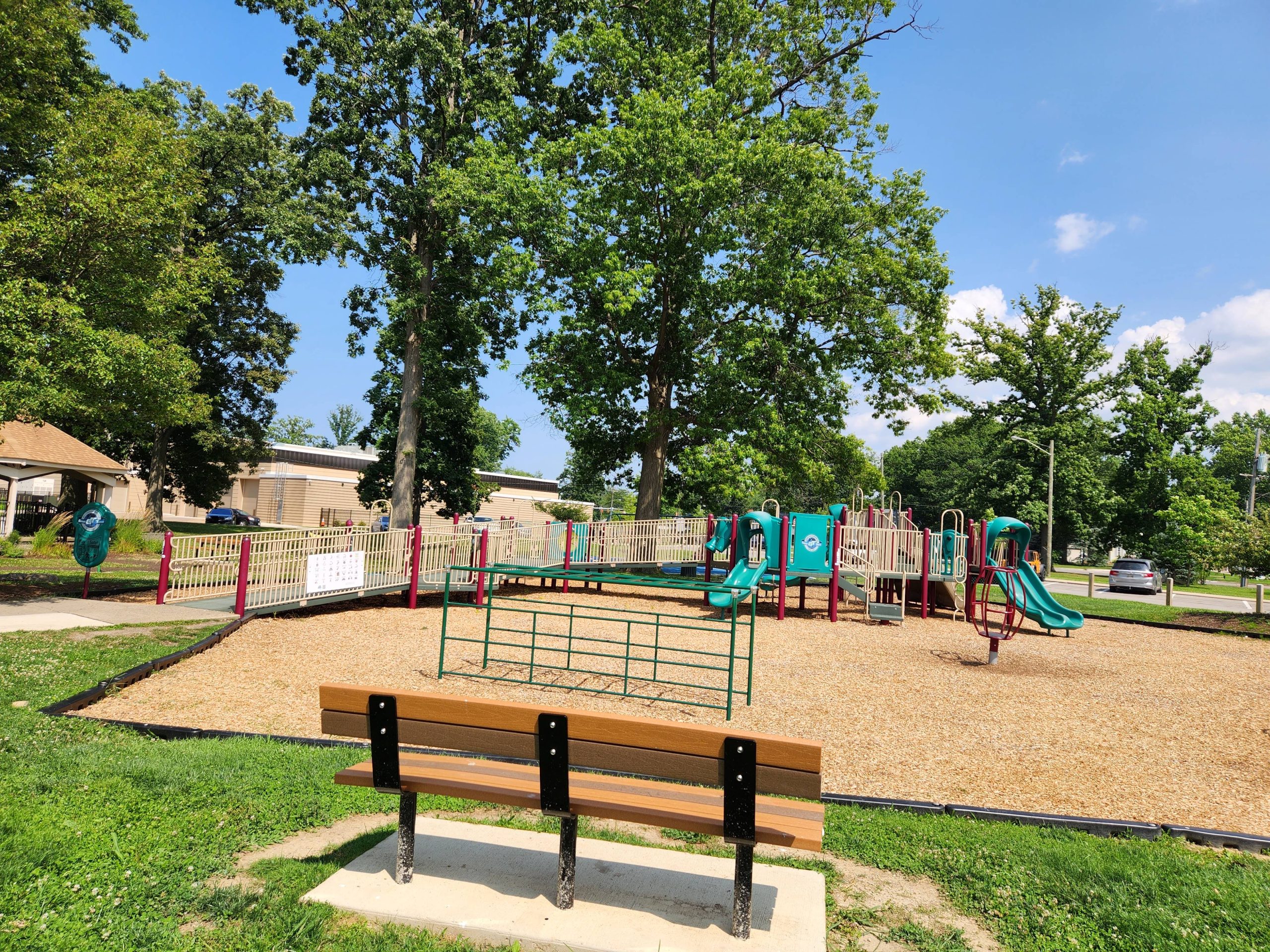
Increase Playground Accessibility For Everyone
Access to playgrounds in more than physical. This week's blog focuses on access for everyone.
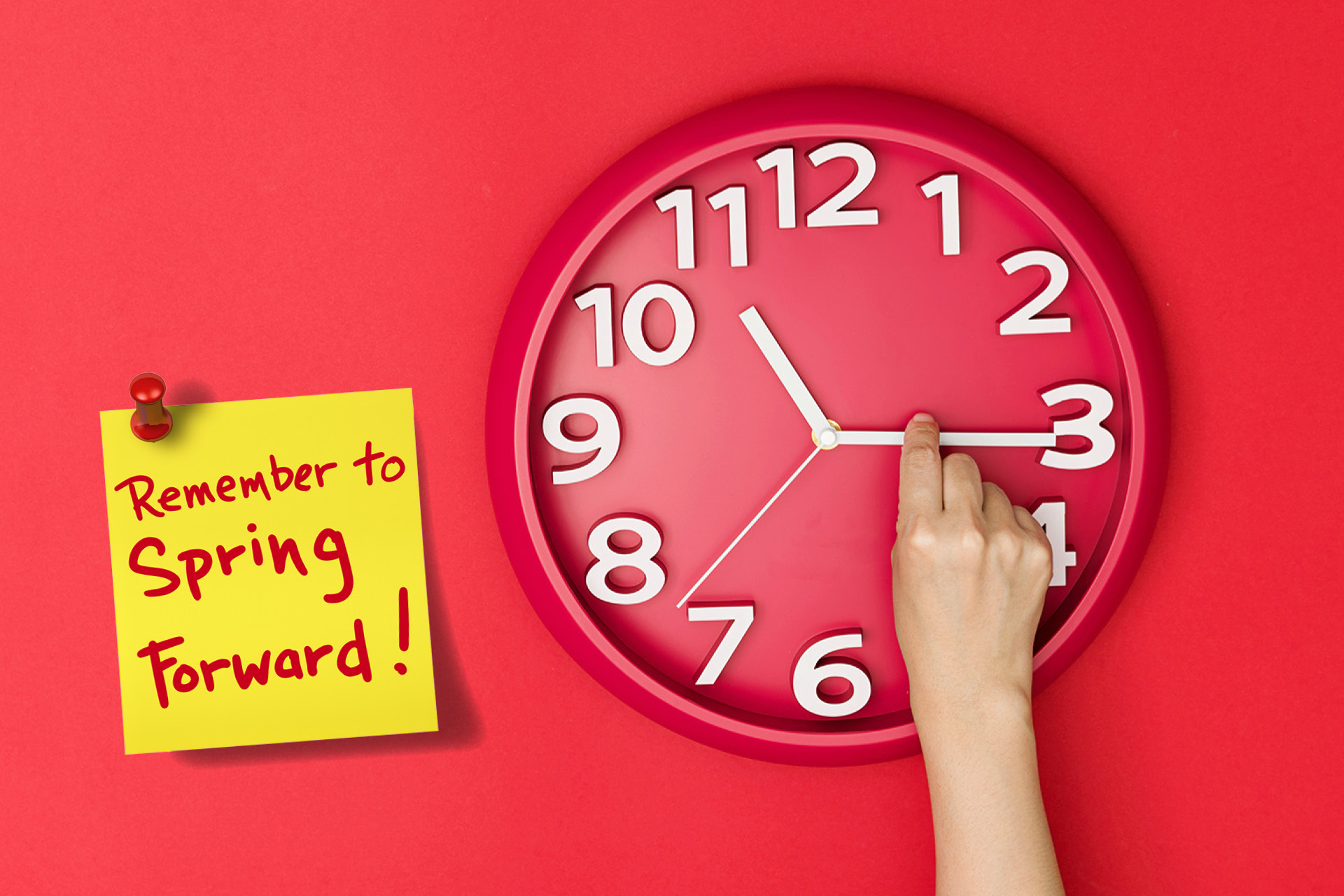
Daylight Saving Time: How to Helping Children Adjust
Tips to help children adjust to the time change.

Helping to Better Understand AAC Symbol Systems
Understanding the different symbol systems used in AAC can help you better support individuals with communication differences. In this week’s blog we will take a deeper look into some of the symbols systems.
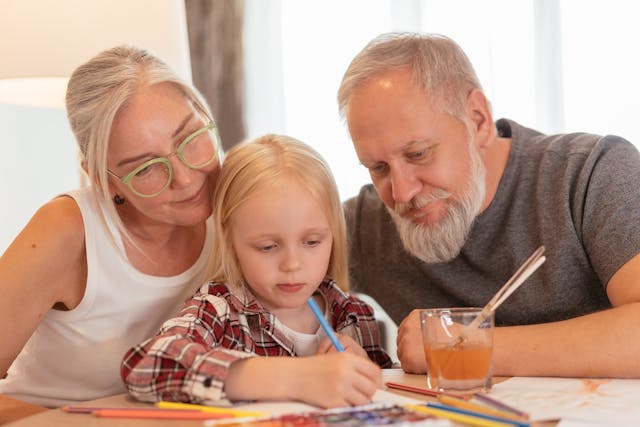
Speech Therapy: How To Involve Caregivers & Grandparents
Speech therapy is not just about what happens in the therapy room—it's also about practicing skills at home. Involving caregivers and grandparents in home carryover can greatly increase a child's progress.
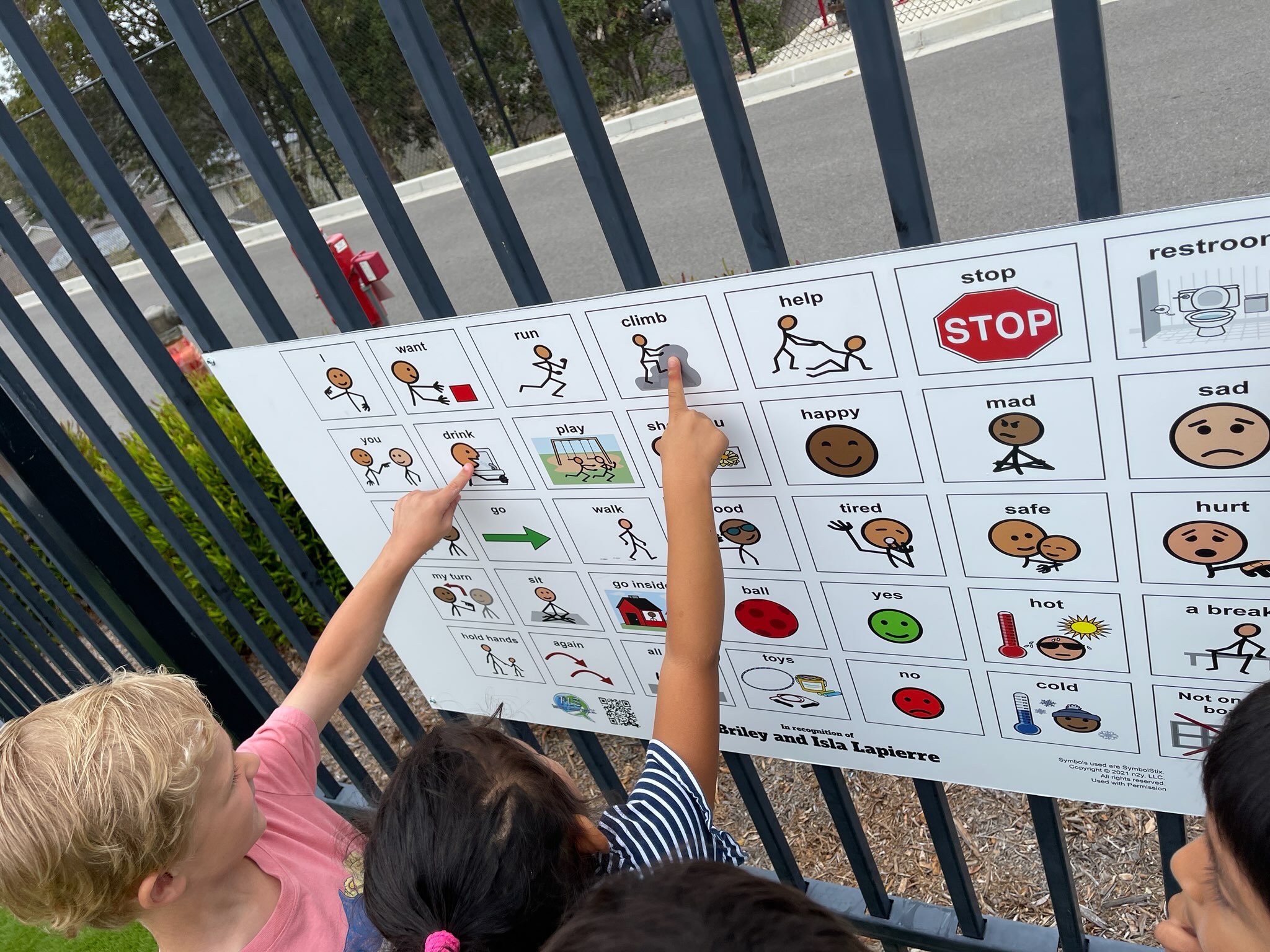
How To Encourage The Use of Communication Boards
In this week's blog, learn how to model and encourage the use of communication boards to increase communication and build meaningful relationships.
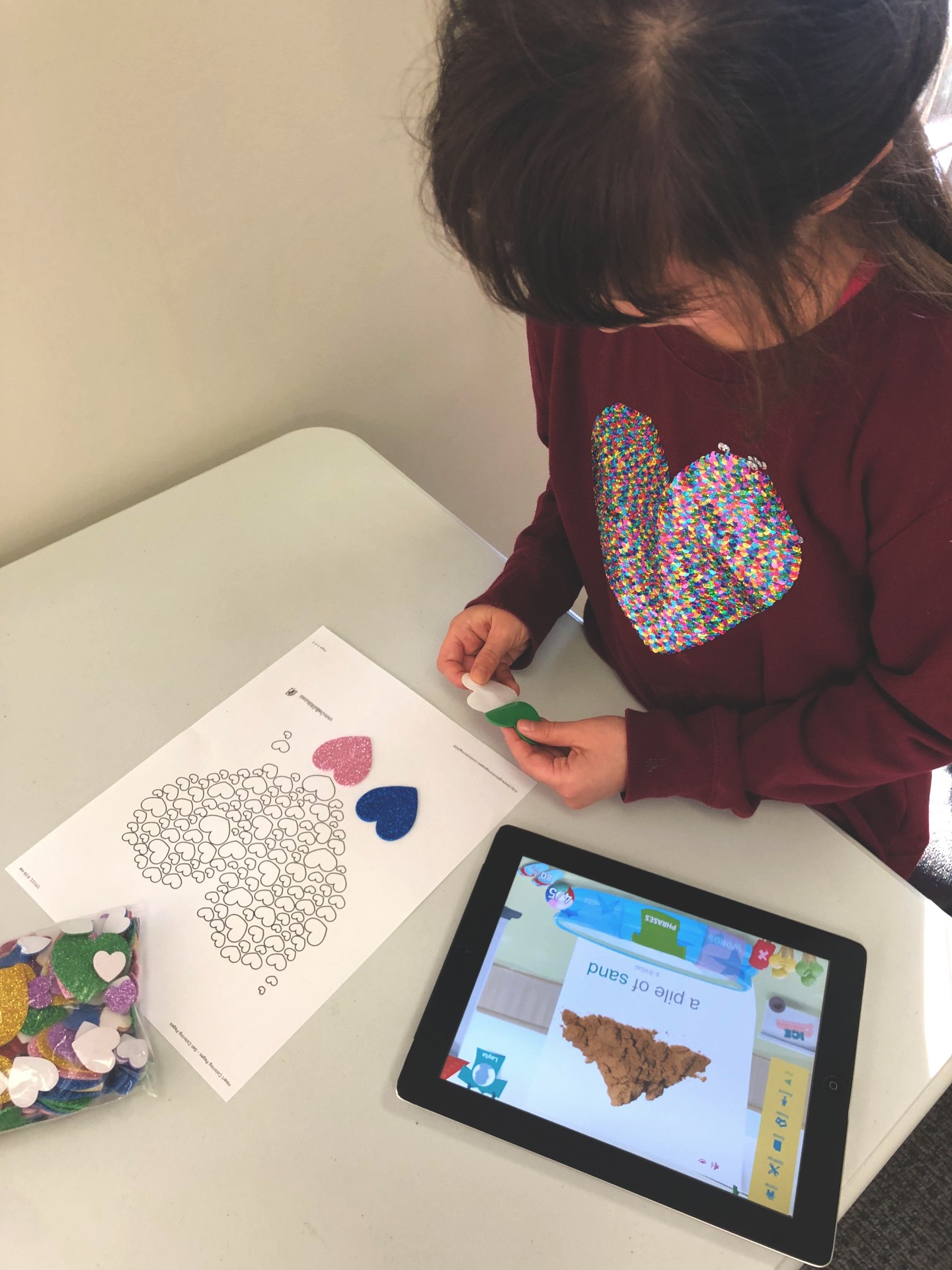
Expressions of Love – Give Everyone a Voice
Giving everyone a voice to express their love on Valentine's Day does not have to be hard.
Speech Therapy And Social Skills Build Better Relationships
Speech therapy can help to develop and polish social skills. Social skills help create meaningful relationships, something we all need in our lives.
How To Make Sure Inclusive Playgrounds Have What They Need
Inclusive playgrounds create an environment of acceptance for all children. When designing a playground it is important to include the key elements.
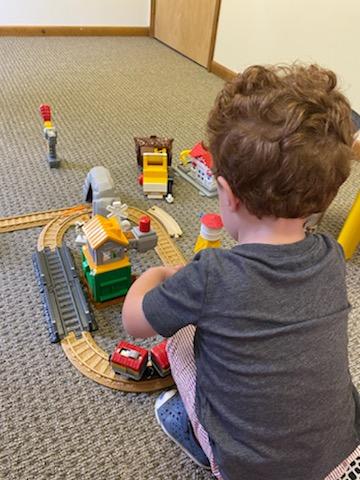
How to Make Play an Important Part of the Day
Play is important at all stages of child development. Play is the 'work' of childhood.

Following Your Schedule: How to get Back on Track
Holidays can be a time when the normal routine is disrupted. It's time to get back on track and follow your daily routine.
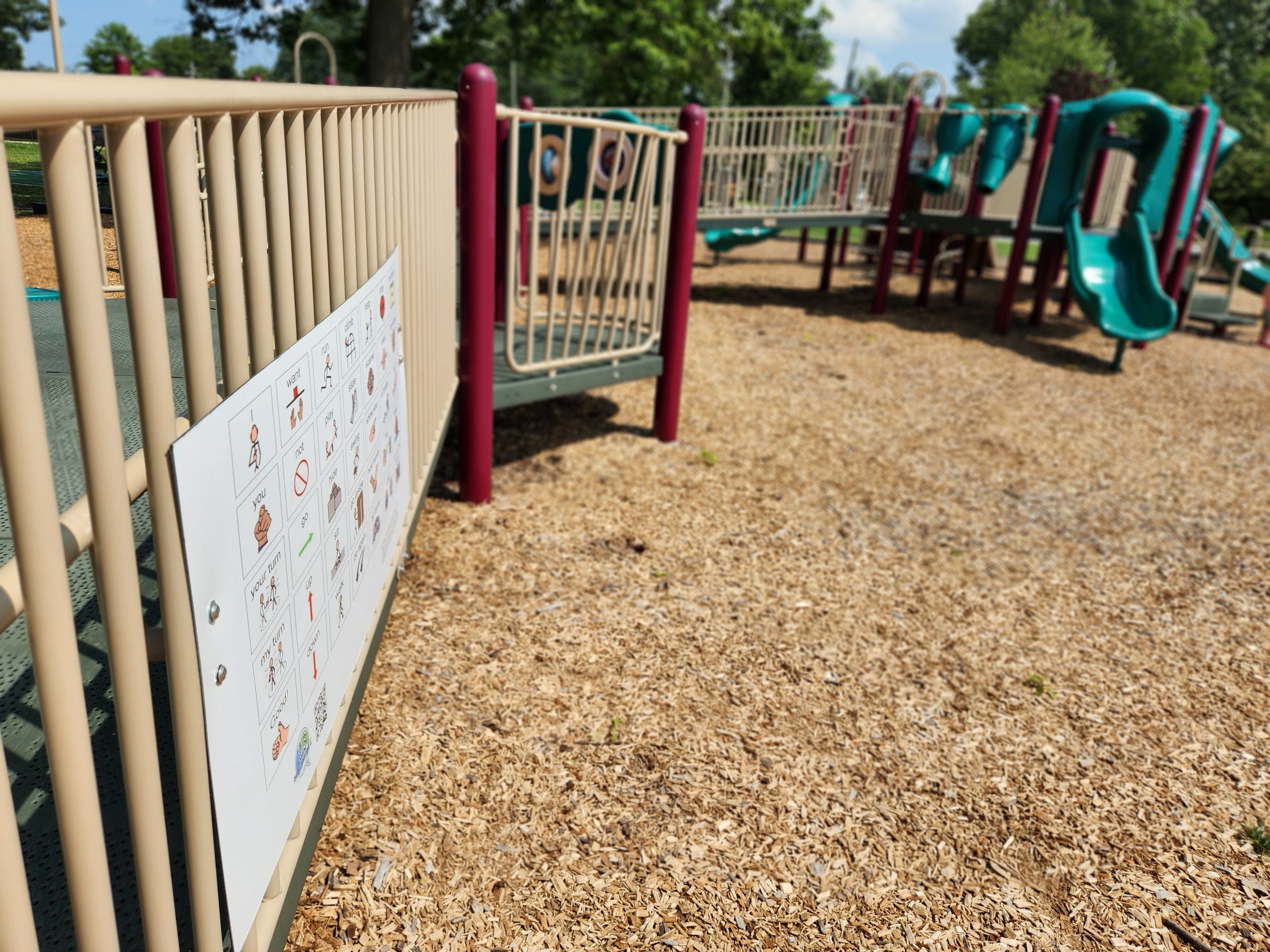
A Powerful Communication Board for Your Playground
Introduce a Communication Board to your local Playground! Imagine this: the sun shining, laughter echoing, and kids of all abilities playing together on the playground. Wouldn’t that be incredible? YOU

Talking & Growing: New Year’s Resolutions for Speech Therapy
A brand new year is days away, and that means we get a chance to make some new resolutions! This year, let’s think about making some special resolutions for speech

How to Prepare for Gift Giving & Receiving
Getting and giving gifts can be exciting but hard for some individuals. Preparing for this time of the year helps to make everyone's celebration special.

How to Fund Playground Communication Boards
Communication boards are important for people with communication differences. Communication boards give people a voice to build relationships. Getting a playground or pool communication board can be more difficult because

9 Easy Ways to Create Sensory Friendly Holiday Decor
The holiday season is a time of joy, celebration, and togetherness. We'll explore how to create a sensory-friendly holiday environment by making thoughtful choices in your decorations.
Shop Local
In a world dominated by large corporations, the importance of supporting small businesses cannot be overlooked. Choosing to shop small is a powerful decision that goes through communities, increasing economic growth, uniqueness, and a stronger sense of connection.

10+ Memorable Sensory-Friendly Thanksgiving Tips
Celebrating Thanksgiving with a child with Autism may require some preparations ahead of time and on the special day to ensure a comfortable and enjoyable experience.
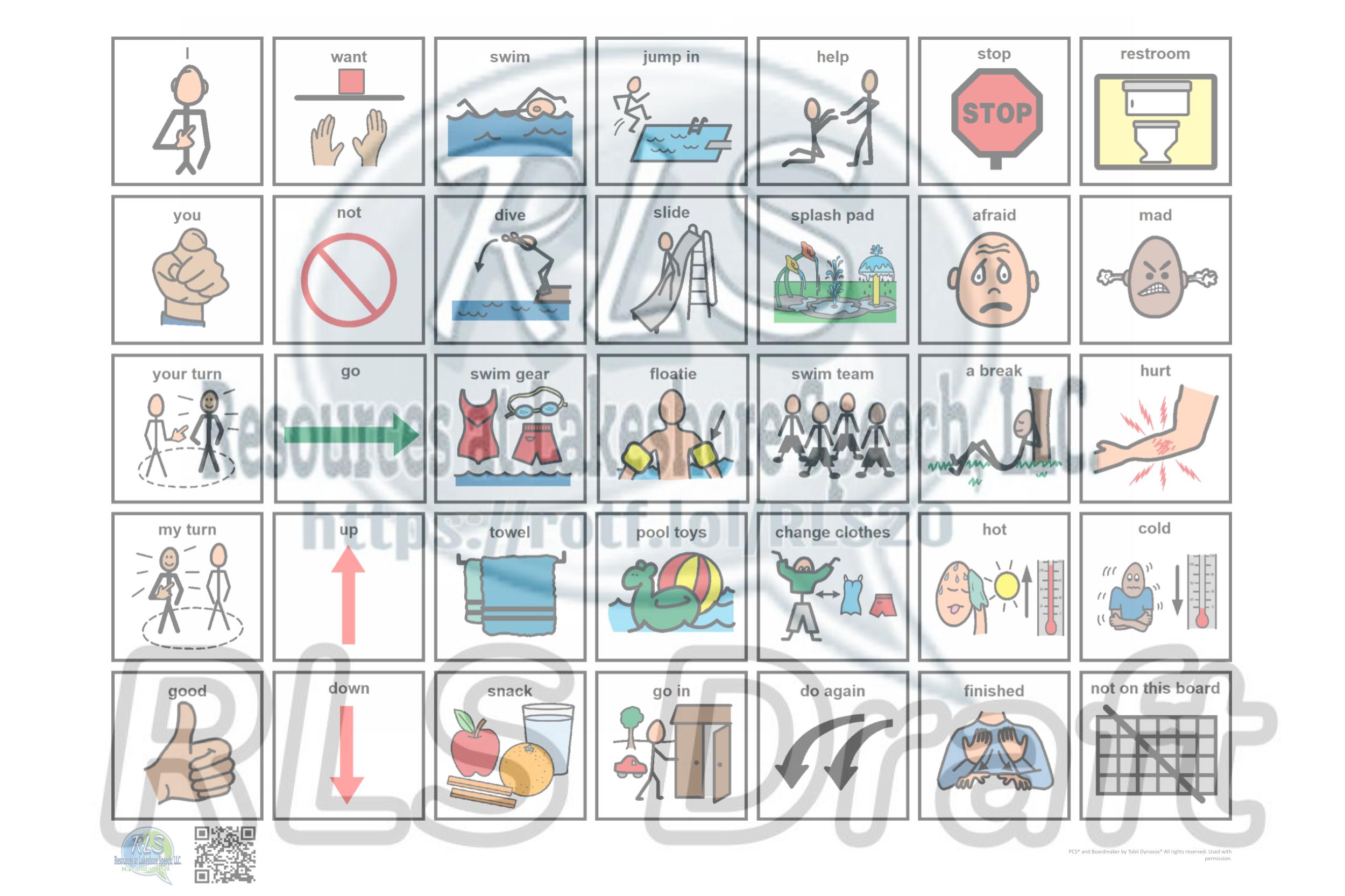
Communication Boards by the Pool
Pool communication boards can make it easier for everyone to have a good time in the pool, especially people with communication differences.

Communicating at Thanksgiving: Practical Tips
The Thanksgiving holiday is a great opportunity to practice communication skills your child has been working on in speech therapy. Practical reminders for families on how to promote the use of these new skills.
Improving Inclusivity in City Parks
Playgrounds are loved by young and old. Playground communication boards play an important role in creating a sense of inclusivity, support and community in city playgrounds.

Be Spooktacularly Ready for Halloween with Speech Therapy
Discover how speech therapy can make Halloween a treat. Explore how speech therapy can help practice Halloween-themed conversations, boost confidence, and improve social skills.
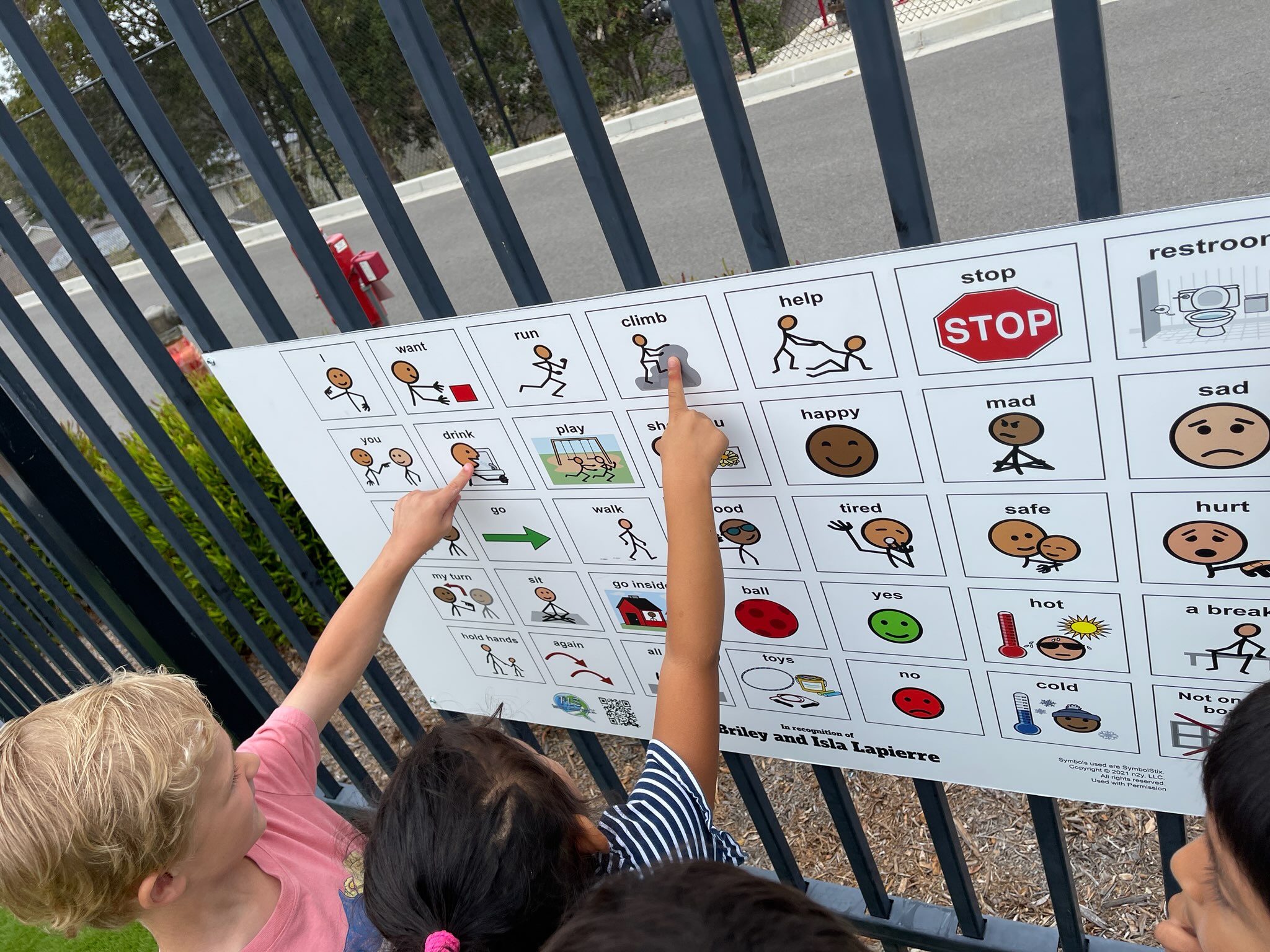
The Power of Playground Communication Boards
Discover the significance of AAC Awareness Month in October and explore the transformative power of playground communication boards. In this insightful article, we delve into the world of Augmentative and Alternative Communication (AAC), shedding light on its importance for individuals with communication challenges. Learn how playground communication boards foster inclusivity, encourage social interaction, and promote language development among children, all while making outdoor play areas accessible to everyone. Join us in celebrating AAC Awareness Month and discover how these communication tools create opportunities for communication, empathy, and connection. Explore the ways you can support AAC initiatives and make a difference in the lives of those who rely on AAC, both on the playground and beyond. #AACAwarenessMonth #PlaygroundCommunication #Inclusivity #AACSupport
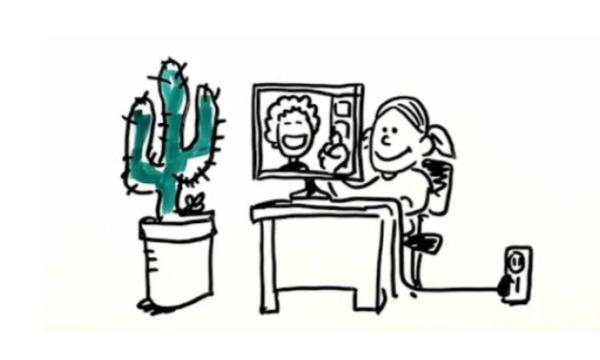
5 Teletherapy Tips for Families – What You Need to Know
As we are all beginning to adjust to teletherapy as well as online or elearning, we thought it best to share some tips to make you and your loved ones

Learning to be Social
The calendar doesn’t lie. How is it we are only 10 days away from Valentine’s Day!? With all the attention on sharing love and kindness on that day (as well
Hope in the New Year
Happy New Year! It’s a new decade filled with hope! Hope for a year filled with much health and happiness! Hope that the closets will organize themselves! Hope that somehow,

Special Gifts
This message is short and sweet. First and foremost an open apology for seemingly abandoning my post writing these blog message this month. While I wish there was a great

Sensory Aware Holiday
December has arrived and as with every year, it seems as if the calendar speeds up during this festive time. Packing in all the shopping, decorating and taking in the

Revving up the holiday season – Proactive Actions
The holiday season is revving up to get ready to roll. While we acknowledge there are significant stressors for you and your loved ones at this time of year, we

Make a Self-Care Plan
All of the clocks have finally all been changed (except for one, there is always ONE clock in the house that just never quite makes the cut and is never
How to Make A Candy Plan : Take the Stress Out of Halloween
You’ve planned the costume, you’ve walked the route, you’ve practiced knocking on doors… a few more thoughts to help make your family’s trick or treat evening sweet. What will you

Costume Creations!
Dressing-up, costumes, masks and make-up….some would say these are the best parts of Halloween and others would beg differ significantly. While the stores are filled with the newest versions of

Practice Makes Permanent : Halloween Series 1 of 2
We’ve shared the idea of “practice makes permanent’ in previous posts. This technique is ever important when preparing for an evening of ghosts and goblins and candy acquisition – aka,

Fall into Fall!
How it is that September is just about over? While we continue to enjoy the final days of warm weather, living in Northeast Ohio, we all know what will be

Take Time To Celebrate – Acknowledge the Big and Small Wins
School is officially in full swing across the country! This too is the time of year where you may be receiving a lot of information related to your child’s development

Let the Music Play
We welcome September with a song! September is not only Classical Music Month but National Piano Month. An individual’s language development as well as overall development can be positively influenced

Friday Night Lights, Coming Soon!
It’s almost impossible to believe that August has come and will be leaving in a few days! Time flies when you’re running at land speed records in a million different

Sweet Dreams
Preparation for the start of a new school year is well under way for many. As you may have noticed, the sun is setting a little earlier as we inch

Tax Free Weekend
There are still plenty of SUMMER fun days left before the 2019-20 school year kicks off. Alas, Ohio state’s Tax Free weekend turns our attention to the new school year

Proactive Planning Goes the Distance
Changes in schedules and routines are completely expected if not expected. As we approach the July 4th holiday, evaluating the changes in schedules and routines – PROACTIVELY – will provide
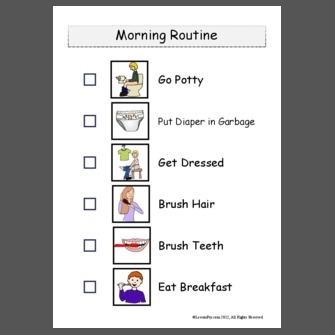
It’s All Routine
This month we’ve focused on schedules and free activities to fill those schedules. This week we are discussing routines and the importance of routines related to speech-language development. Personal, familial,

It’s Fun & It’s Free!
Last week the blog focused on creating schedules (If you didn’t get a chance to read it, feel free to do so now, we’ll wait.). This week we will mention
Plan for the Day
It’s finally here…. JUNE! Days are longer…much longer. Weather it warmer…. much warmer. Everyone is home… school’s out…..everyone’s home…. all day. Did we mention the days are longer? While June
Milestones from Babies to Adults
The month of Better Speech and Hearing awareness is at its end. It is important to be aware of ‘typical’ speech-language development. Speech-Language Pathologists use the milestones of ‘typical’ speech-language

Memorial Day
Memorial day weekend is upon us. In the midst of the excitement of school being almost over and summer knocking at our door, don’t forget to take a moment to
What It Takes
The American Speech-Language-Hearing Association (ASHA) is “the national professional, scientific, and credentialing association for 204,000 members and affiliates who are audiologists; speech-language pathologists; speech, language, and hearing scientists; audiology and
Better Speech and Hearing Month
May starts Better Speech and Hearing Month. It’s that time of year to raise awareness about communication disorders and the role of Speech-Language Pathologists. The Speech-Language Pathologists at Lakeshore Speech

Anticipating Summer
Last week of April – hard to believe how quickly this year is flying by. Many schools will be out for the summer in one month and the lazy hazy

Egg-citing Time of the Year: Springtime and Easter Prep
Easter week -so many preparations, so many family traditions, so much to do. Not to mention, prepping for the egg hunts and the visit from the big bunny. Practice and
Beginning to Bloom
Spring is springing and hopefully will be sprung sooner than later. Flowers are blooming and the dreary colors of Winter give way to the beauty of Spring. Flowers are not

Lakeshore Speech Therapy Summer 2019
Every summer, we at Lakeshore Speech Therapy work to provide our clients and families with programming that meets everyone’s needs. This year we are excited to offer programs for everyone

Changing Like the Weather : Speech Therapy Progress
The weather in this area is notorious for fluctuating between winter and spring on almost an hourly basis. One moment it’s a balmy 61 degrees and the next it’s a
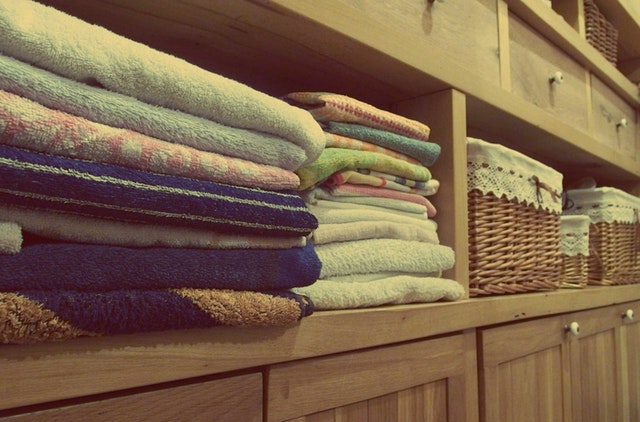
Start the Spring Clean-Up! – Language and Chores
The days are getting longer and the temperature is rising – slowly. Spring is almost here. As the cold of winter begins to leave, our attention begins to turn to

How to Navigate Testing..1, 2, 3
Navigating High Stakes Testing The end of March marks the start of the ‘testing’ season for student’s in the elementary, middle, and high schools. These high stakes tests are stressful

Things are Looking Green – Practicing Concepts
Green is the color of the week. Shamrocks and leprechauns; rainbows and pots of gold. Everyone is Irish if not for just one day this week! So many ways to
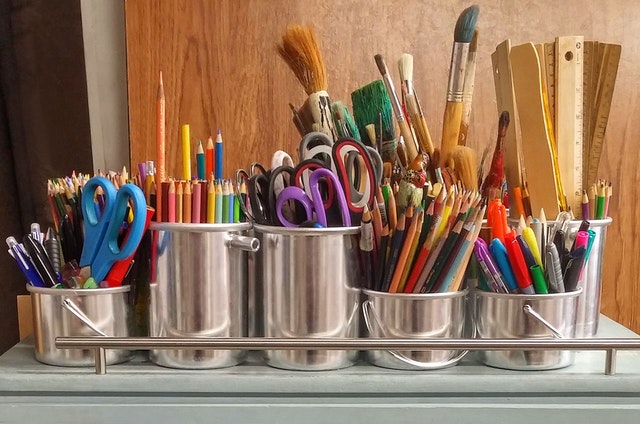
Imagine…Create….Language : Stem and Speech Therapy
We are a quarter of the way through 2019 already! Hard to believe how fast time flies…..especially when you are having fun. March ushers in a month of leprechauns and
Communicate Love All Year Through
February – the month of love; loving and caring for our family, our friends, our significant other. Don’t keep the love only in the month of February. Life gets in

Caring for Someone Very Special
February – the month of love; loving and caring for our family, our friends, our significant other. Let’s not forget a very important person to love….ourselves. The excitement of Valentine’s

Express your love!
February – the month of love; loving and caring for our family, our friends, our significant other. Everyone needs a little help now and then. Helping our loved ones express

The Month of Love
February – the month of love; loving and caring for our family, our friends, our significant other. February gives us the opportunity to show our loved ones what WE see

Get Cooking!
The weather stations are all predicting record cold in the next few days. Record cold means staying in the house. Staying in the house means lots of ‘together time’. Use
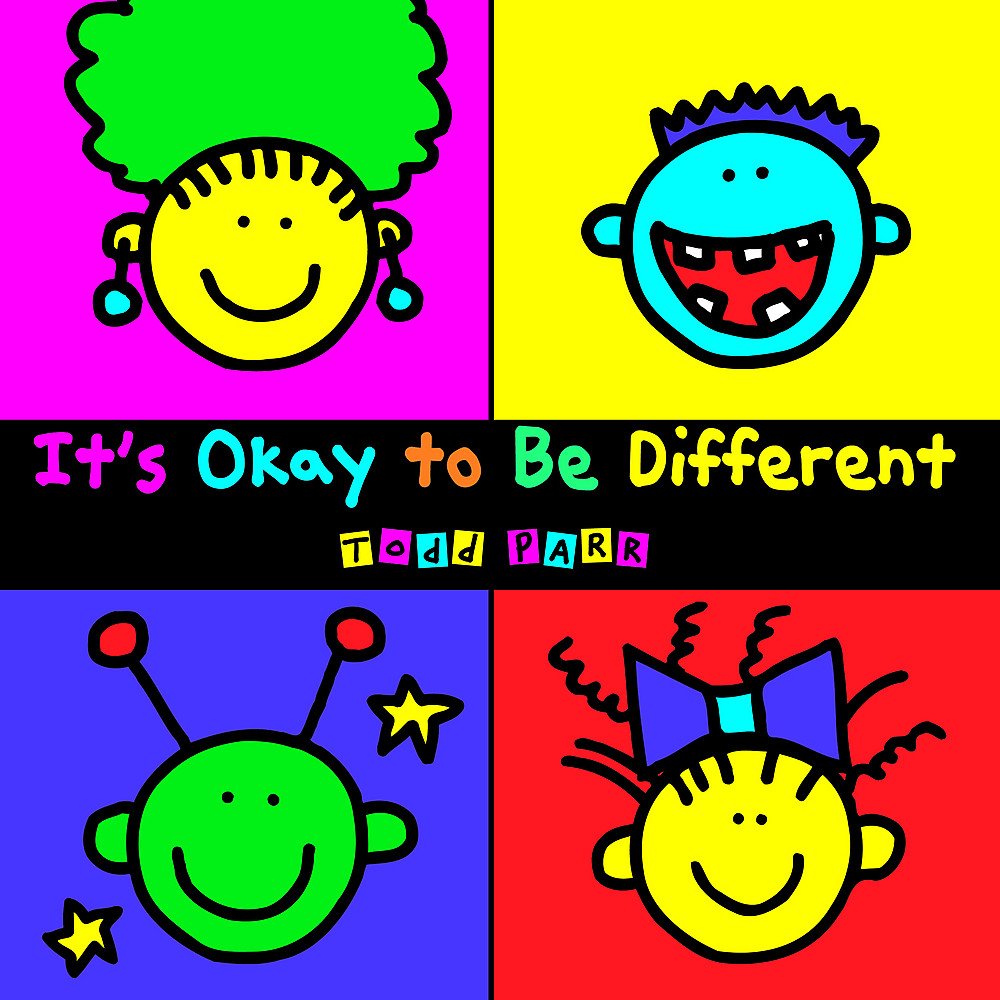
It’s Okay!
It’s Okay! This week the message is short, but it comes with an assignment and that’s Okay. The book “It’s Okay to be Different” by Todd Parr is a

Practice makes permanent – Series 2 of 2
Practice – 8 little letters that require discipline and dedication. Practice – 8 little letters that can enrage and irritate the most patient of souls. Practice – 8 little letters
Play Time!
2019 is underway….OK – 2 weeks into the New Year. The rest of the holiday decorations are put away and celebrations are at an end. Although there are 256,894 new
One Size Does NOT Fit All : Finding the Size of the Problem
Baby New Year has arrived! The season of parties and changed schedules is coming to its end. Back to the ‘normal’ routine! But what about those resolutions? The promises you

Boxing Day!
Here’s to the success and survival of the big day! Given the millions of new toys that may now ‘live’ in your home, nothing is quite as exciting for some

Practice Makes Permanent – Managing Holdiay Behaviors
It’s the final countdown until the big day (cue Europe’s 1986 hit song). The lists have been checked twice, the stockings are hung by the chimney with care, and all

Programs Available Starting January 2019
Lakeshore Speech Therapy is as busy as the North Pole this time of year! We are excited to share upcoming programs starting in January. Teen Social Skills Group: This social

Gift Guides – Loved Ones with Special Needs
As I sit and watch the movie ‘Buddy the Elf’ I can’t help but think that I really should be making a list, checking it twice and comparing prices. Lists

Adventures & Memories
In the midst of sorting through your Black Friday deals and your Cyber Monday steals, you may be interested in some Winter Holiday activities in the greater Cleveland area. This

Use Social Stories to Create Thanksgiving Memories
Create lasting memories by providing your child the supports they need to successfully navigate Thanksgiving. Learn how social stories and schedules can help.

Holiday Prep – Make the Holidays Memoriable – Part I
Preparing Loved Ones for the Holidays is the Best Gift of all! The weather reminds us the season of Holidays is at hand. Cooler days and nights, leaves and snowflakes

Press Pause
The clock is beginning to tick….loudly! Time to pack up the Halloween decorations and get ready for the mad dash of the Holiday season! There is no escaping the hustle

Halloween Ready!
You used your parental superpowers to navigate the full moon last week, and you will use those powers again this week, especially on Wednesday, October 31st. Check your list: comfortable
Trick or Treat!
Trick or Treat! The three most important words in October! When a child experiences a language deficit, creating an environment where there is no pressure of saying ‘Trick or Treat’

Costume Time of the Year : Preparing for Halloween
Halloween is just a few days away! The night of candy collection! Whatever will your child wear? How many times will that choice change? If your children are anything like

Audiology Awareness
October celebrates many worthy causes and organizations. Our brothers and sisters in Audiology are recognized in October as it is National Audiology Awareness month! Hearing is something taken for granted
Down Syndrome Aware
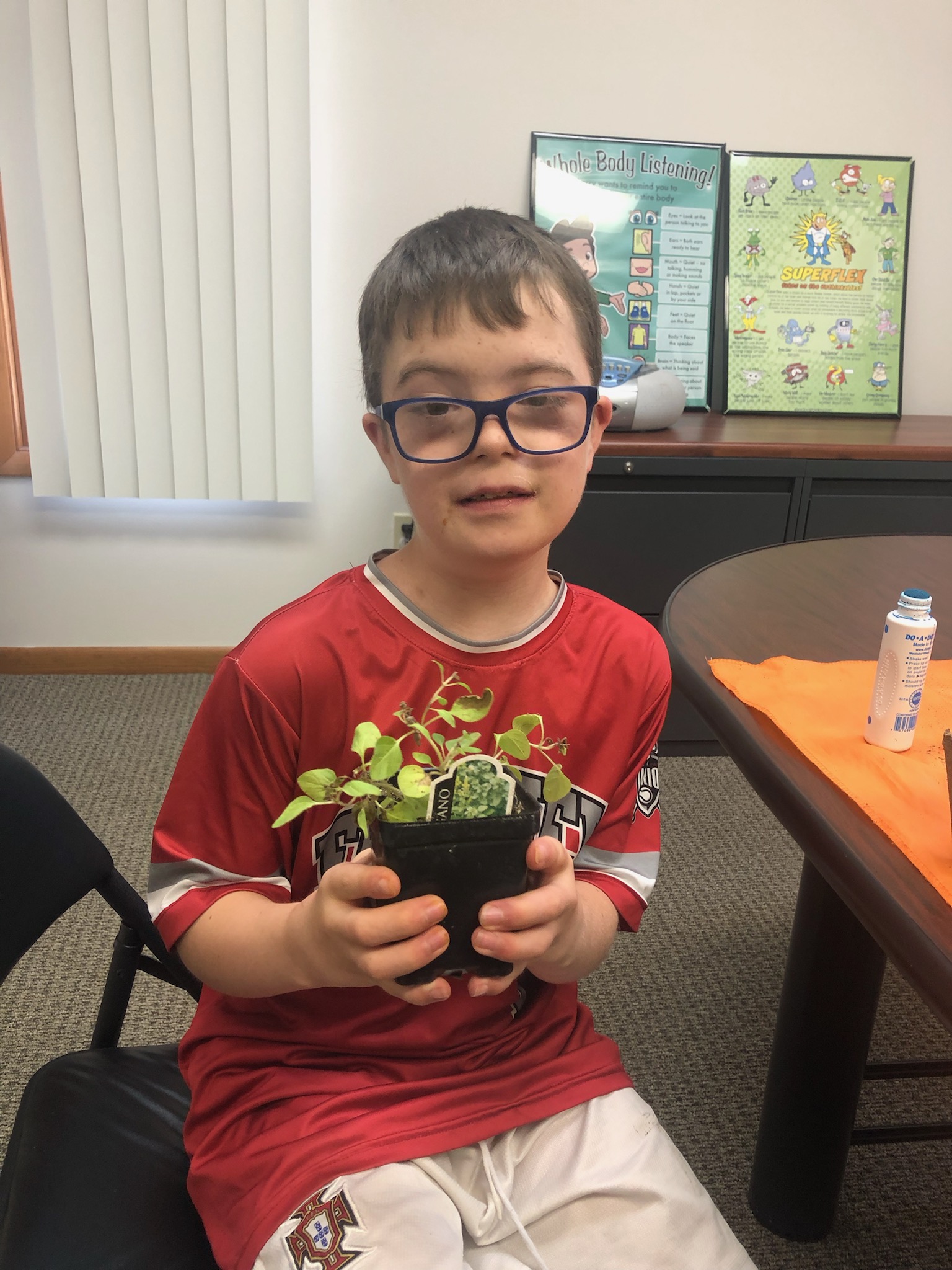
October celebrates National Down Syndrome Awareness month. During the month of October, take time to put aside the candy corn and pumpkins and learn more about how you and your

Time to Dress for Fall
Changing seasons also means changing styles of clothing. For individuals with sensory sensitivities these changes can be distruptive.
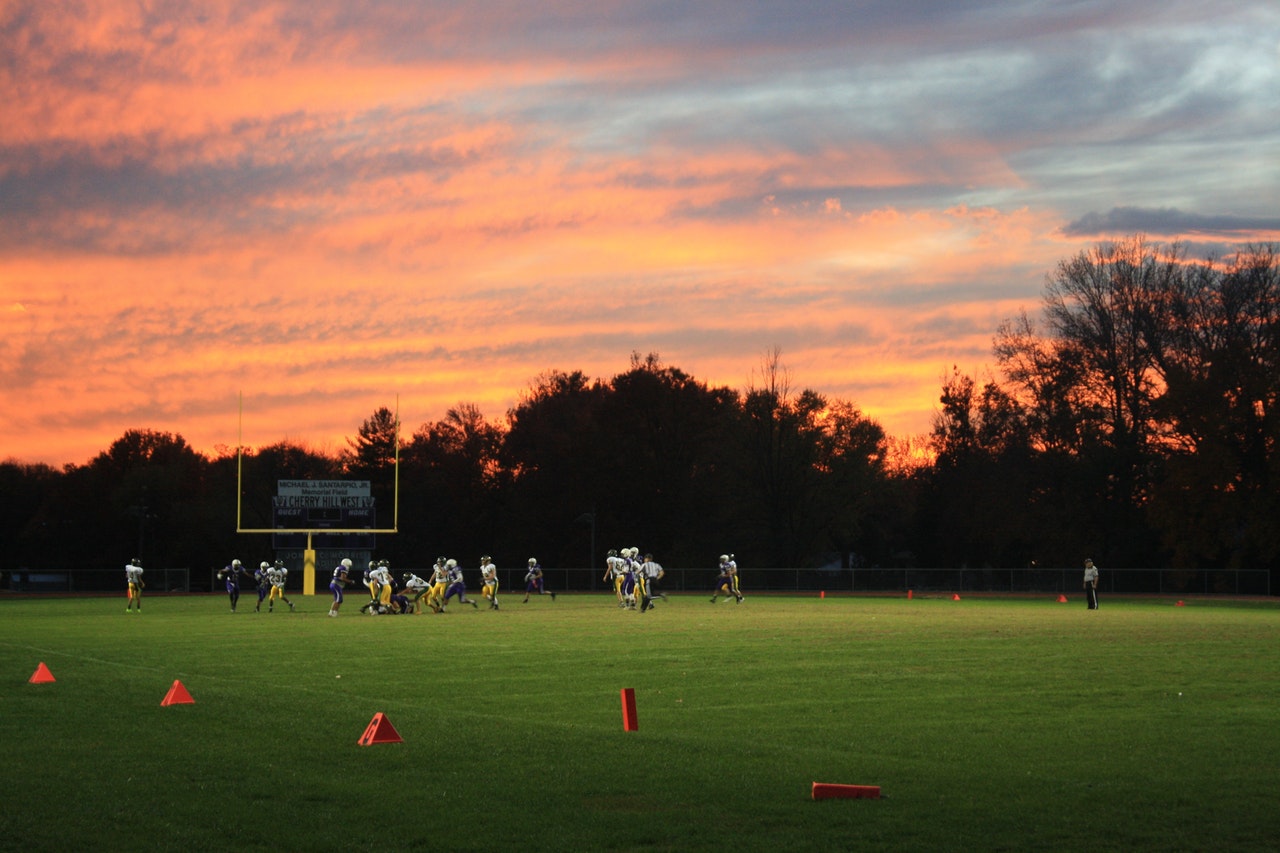
Friday Night Lights
Friday night lights! High school traditions! Go Team! Fall is the time of year to grab your favorite sweatshirt and enjoy an evening of high school football. “Enjoy” – that’s
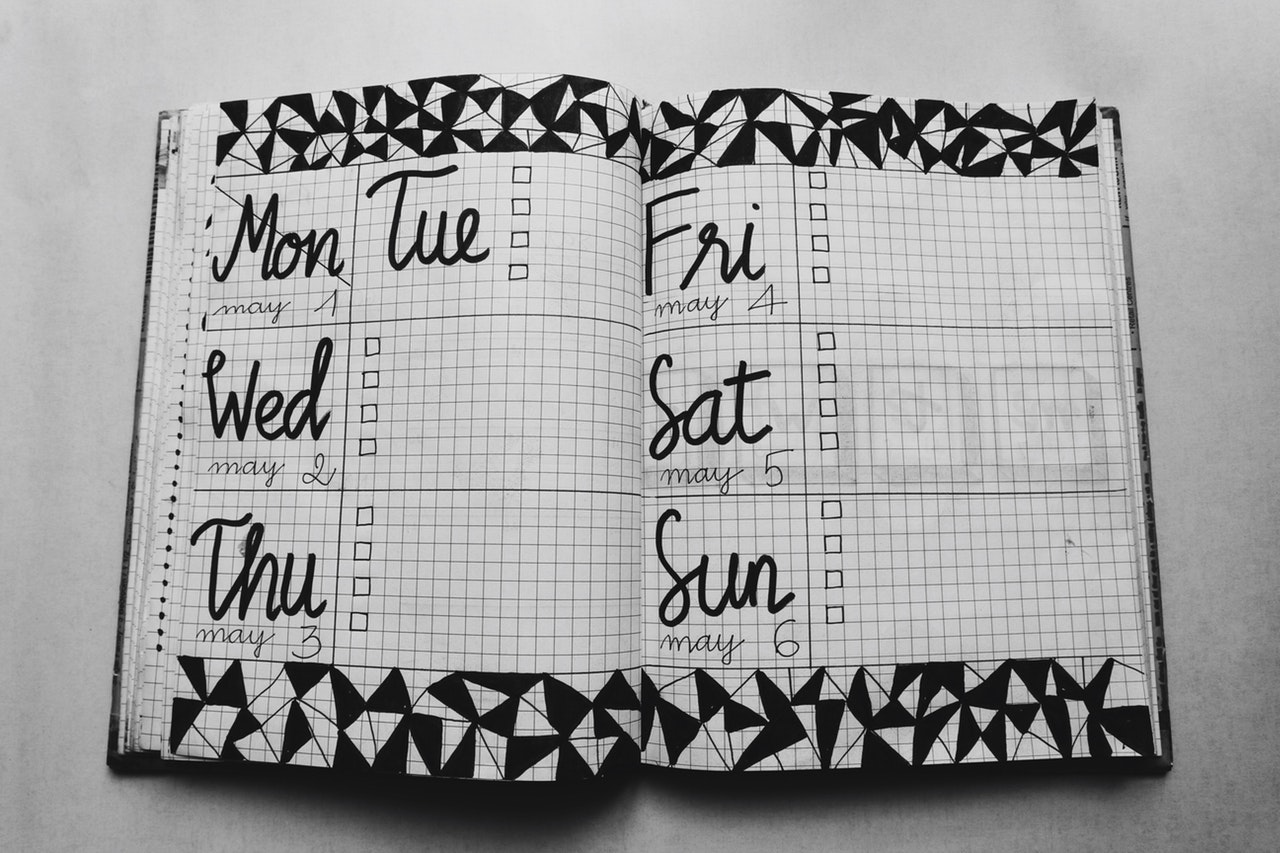
Getting out the door in one piece: Ideas for Every Family
Build strong executive functioning skills this school year with simple speech therapist tips for stress-free routines, organization, and family success.

Love of Learning
Labor Day, the holiday of the working women and men in our country, a holiday honoring us for what we do day in and day out. When what you do
Adding to our Lakeshore Family
We’ve talked a lot about the exciting new programs for the Fall this month. We would be remiss if we didn’t share the a little about the newest members of

How to “Flex” your social skills!
Were you ever in public with your child and his/her behavior made you wish the floor would open and swallow you whole? Ever been without words following your child’s painfully

Help with Stuttering. You’re NOT alone!
We have all experienced a moment when what you are trying to say just won’t come out. Those episodes of stuttering are typically a blip in time occurring far and
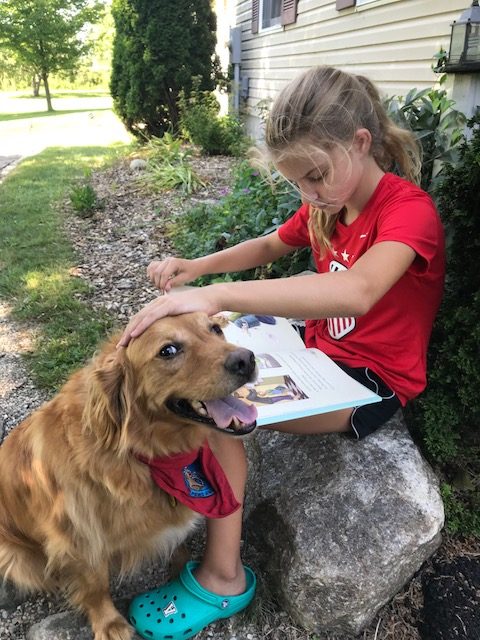
Stan Is Here! Stan Is Here!! – the Power of Therapy Dogs
Lakeshore has gone to and fallen in love with the dogs…..Stan in particular! This Fall, we will be offering a reading enrichment program co-taught by Patti Cramer and Stan, the

Summer, don’t leave us! – Fall Programs Available
There’s still plenty of Summer left, but it’s getting to be that time of the year when our attention must turn back to the hustle and bustle of the school
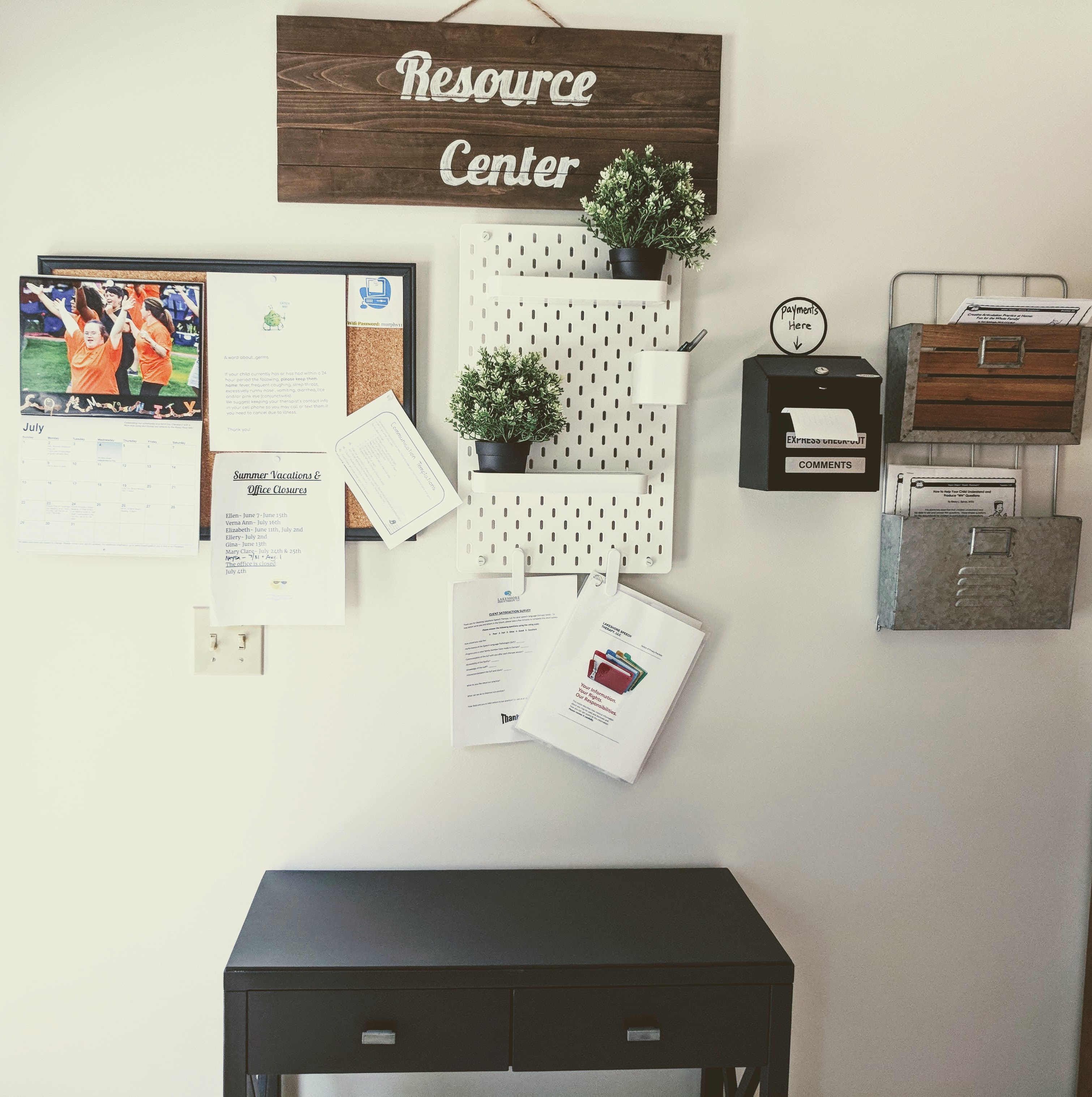
A Fresh New Look!
Lakeshore’s waiting room has a new look! We are so excited for you to see the new decor at Lakeshore. Please make sure to check out the parent resource

5 Minute Activity to Practice Language in the Summer
It’s getting hot out there! It’s a great time to turn the heat up on your child’s language skills in everything you do. No need to put down your ice

New Faces at Lakeshore Speech!
Lakeshore is growing! Ellery Martinko is now the proud Mama of handsomely adorable baby boy! The newest member of the Lakeshore family is keeping Mommy Ellery busy, however, he is allowing

How to Manage Parades, Picnics & Firewords this 4th of July
Don’t let the ‘ring’ ruin the day! July 4th week! Picnics! Parades! Fireworks! Tantrums! Wait, what? Yes, you read that correctly, tantrums! Otherwise known as ‘melt-downs’, ‘explosions’, ‘losing your marbles’,

3 Easy Suggestions:Decrease Stress When Visitors Come
Vistors bring joy and sometimes stress Summer not only is a time to travel, but a time when others may be traveling and staying with you! While these visits are

5 Simple Games to Make Travel Fun for All”
Making Travel Fun for All While Cleveland is a ‘go to’ destination for many people during the Summer months, you may be leaving for a get away of your own.

FREE in the CLE!!!
Filling the Day with Free Fun! Free! That’s correct….FREE!!!! Finding fun and FREE ‘field trips’ for you and your family! Check out these resources to find a different museum or

Practical Ways to Survive Summer: Everyone’s Home
Relaxing during the Summer is easier for some. School’s OUT …….Summer’s HERE……and within two seconds, the kids are bored! Nothing says Summer like the sweets sounds of “There’s nothing to
Time to Recognize SLPs: Better Speech & Hearing Month!
Celebrating Better Speech and Hearing Month give us time to learn more about our speech-langauge pathologist. All here to serve you and your child.
The Month of Better Speech and Hearing
Learning more about our therapists In our continued tribute to Better Speech and Hearing Month, it seems only fitting to recognize that Speech-Language Therapists are masters at being flexible in
May is Better Speech and Hearing Month!
May is Better Speech and Hearing Month It’s the time of the year when we in the field like to increase awareness of communication disorders and the role your friendly

A Duo Made for Success: OT and Speech Therapy
April is also the month to recognize and honor Occupational Therapists! Speech Therapy and Occupational Therapy are the carrots and peas of the therapy world. OK – Physical Therapy and

Making Learning Fun for Everyone: Lakeshore Summer Programs
Lakeshore Speech Therapy, LLC is proud to announce our 2018 Summer Programs. While the brochure is available on our website, we wanted to take a few moments to dive deeper
What to do This Summer?: Top 3 Questions Answered
Take the time you need to make solid decisions about your child. Summer? Here in NorthEast Ohio, snow is still flying …. the idea of Summer doesn’t seem like it

How to Celebrate Autism Awareness Month
April is Autism Awareness month. We here are Lakeshore are proud to work with families and for individuals on the Autism spectrum. There is no one way, one recipe, one

How to Celebrate Childhood Apraxia of Speech
What is Childhood Apraxia of Speech? Childhood Apraxia of Speech is some degree of disrupted speech motor control.In other words, a child diagnosed with CAS experiences difficulty rapidly and accurately moving
Learn How to Use and Model Social Skill Filters
“I can’t believe you just said that!” We have all experienced a moment when our child blurts out a thought that should have stayed in their heads. Join Ellen Spear,
How to Use Coupons to Build Communication
Coupons can help create communication Junk mail, inserts in the Sunday papers….those shiny glossy teeny tiny piece of paper worth $.25, $.50, $1!!!!! If you are savvy shopper your coupons
How to Play Board Games -not BORED Games
Playing board games is a skill that is fading from our society Go Fish! Sorry! Your Turn! These short phrases, for many, bring back memories of sitting around a table
Consider Making Your Resolutions for the New Year!
Speech-Language Therapy Resolutions for a New Year “What’s your resolution this year?” The most frequently asked question from January 1st – 10th of any year. After about 10 days of
October brings new vocabulary opportunities!
October brings all the many colors, smells and sounds of Fall. Using language to describe the world around us becomes ever more important. Help your child expand her or his
How to Incorporate Daily routines to Increase Language
The routine of the day creates wonderful opportunities to continually work on language development. “The Power of Using Everyday Routines to Promote Young Children’s Language and Social Skills”
Learn How Reading Can Improve Language Skills
Reading with and to your child is a great opportunity to develop language skills as well as promote literacy skills. Pick up a good book and practice some of these
Ideas for practicing speech-language skill in the car!
School’s started and the lazy days of Summer have ended. Running for activity to activity CAN be a great time to work on speech and language skills. Get some extra