Environmental Vulnerabilities of Digital Tools
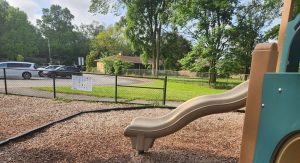
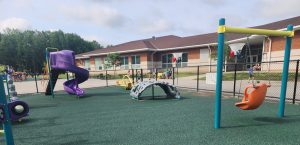
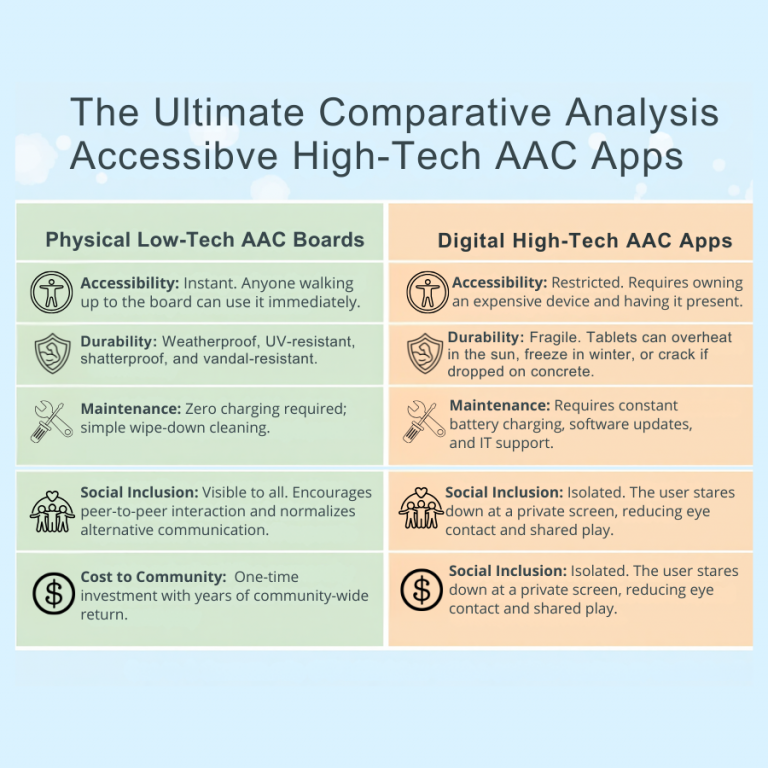
Imagine a hot July afternoon at a local inclusive playground. A child using a personal iPad app wants to ask a peer to swing with them. Suddenly, the iPad flashes a warning symbol: “Device temperature too high. iPad needs to cool down before you can use it.” In an instant, that child’s voice is stripped away.
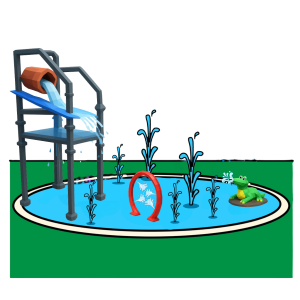
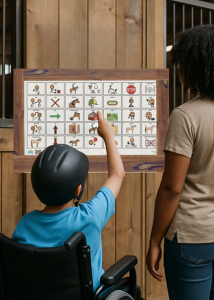
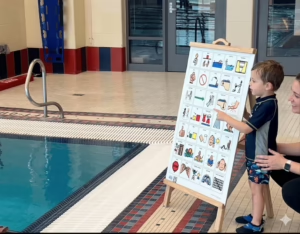
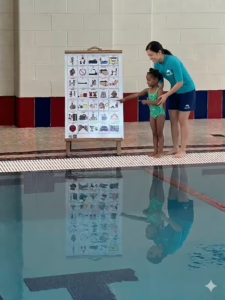
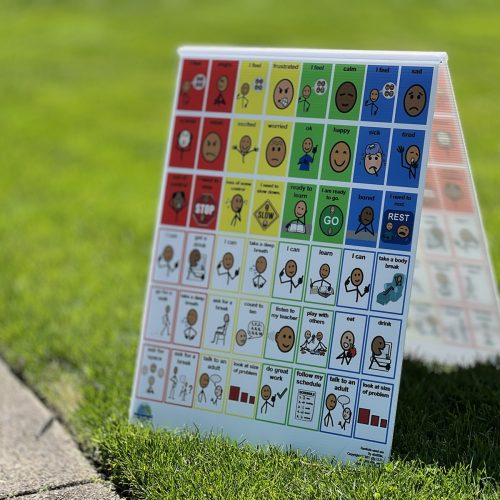
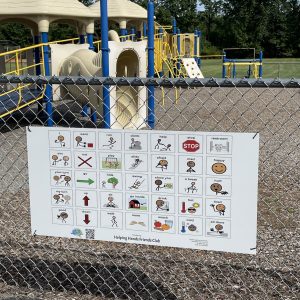
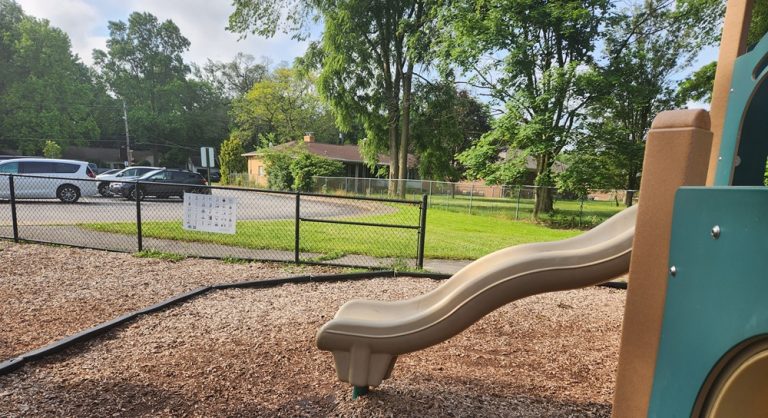
Furthermore, water features, splash pads, sandboxes, and mud kitchens are staples of enriching childhood play. They are also absolute death sentences for expensive electronic tablets. Physical AAC boards, constructed from heavy-duty, marine-grade plastics or aluminum, stand resilient against torrential rain, baking sun, and muddy hands. Consequently, they provide an uninterrupted guarantee of expression that digital apps simply cannot match.
Deep Dive: The Tangible Benefits of AAC in Public Spaces
When a community invests in low-tech communication infrastructure, the societal return on investment is monumental. Let’s explore the core benefits of AAC in public spaces and how they reshape community dynamics.
Eliminating Communication Barriers in Real Time
When a non-speaking individual visits a park without a physical board, they must rely on their own device (if they own one) or interpretative assistance from a caregiver. If the caregiver steps away for a moment, or if the device is left in the car to prevent theft, the individual is left without a functional voice.
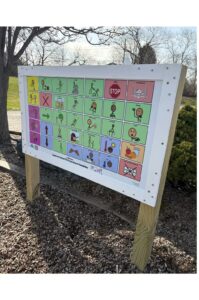
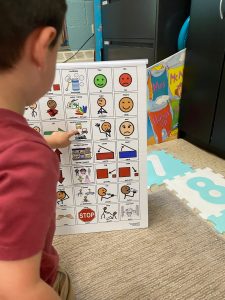
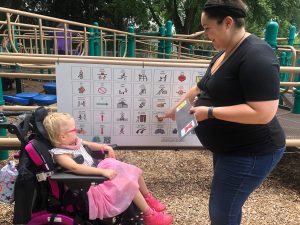
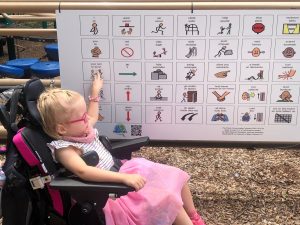
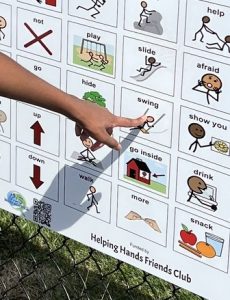
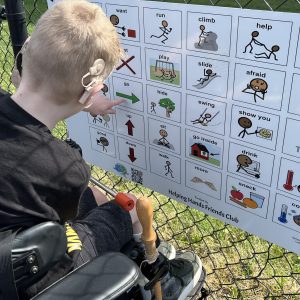
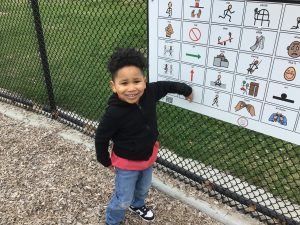
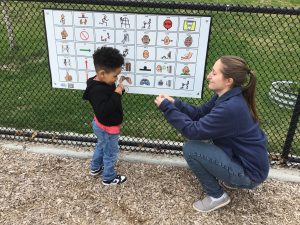
By installing permanent AAC boards, municipal leaders create an environment where a child can run straight from the slide to the board, point to the symbol for “more,” and immediately run back to play. It bridges the gap between thought and action without requiring a third-party mediator.
Promoting Peer-to-Peer Social Inclusion
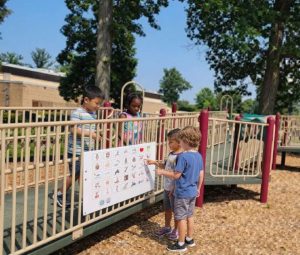
One of the most beautiful outcomes of installing low-tech boards is how they foster natural, neurodiverse friendships. Children are inherently curious. When they see a colorful board filled with icons at eye level, they gravitate toward it.
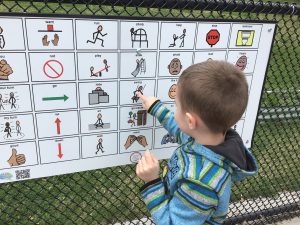
Neurotypical children quickly learn how to use the board to communicate with their non-speaking peers. For instance, a child might walk up to the board, point to the icon for “ball,” and look at a peer with autism, inviting them into a game. This direct interaction reduces social stigma, builds empathy, and creates a culture of deep-seated inclusion from an early age.
Normalizing Alternative Communication for the Public
Stigma thrives in the absence of exposure. When AAC boards are absent from public squares, the general public remains unaware of how non-verbal individuals interact.
Conversely, when these boards are prominently displayed alongside traditional park signage, alternative communication is normalized. Passersby, city workers, and other parents see AAC as a valid, everyday form of language. This raises community awareness and reshapes public spaces into environments that celebrate diversity rather than merely tolerating it.
People Also Ask: Common Questions About Public AAC Systems
As specialists in speech and language development, we frequently consult with city councils and parks departments. Here are the most common questions we encounter regarding the benefits of AAC in public spaces and the deployment of low-tech communication tools.
How do children know how to use an AAC board without training?
This is where the magic of aided language stimulation (or modeling) comes into play. Children learn language by hearing it spoken around them for thousands of hours before they utter their first word. Similarly, individuals learn AAC by seeing others point to symbols while speaking.
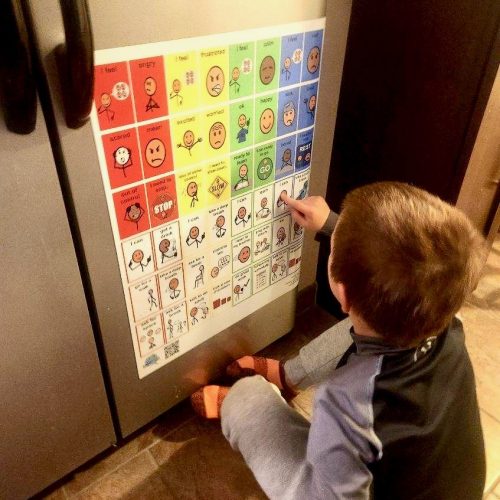
When an AAC board is placed in a public space, parents, educators, and peers naturally begin modeling – another examples of the benefits of AAC in public spaces. A mother might say, “Let’s go fast on the slide,” while pointing to the icons for “fast” and “slide” on the board. Non-speaking children observe this and rapidly learn that pressing or pointing to those pictures yields real-world results.
Are public AAC boards only meant for individuals with severe autism?
Absolutely not. This is a common misconception that limits the perceived value of these installations. While individuals with autism are frequent users of AAC, these boards serve a massive, diverse demographic, including:
- Children with Down syndrome, Cerebral Palsy, or childhood apraxia of speech.
- Toddlers who are late talkers and experience profound frustration when trying to express their needs at the park.
- Individuals with temporary speech loss due to medical conditions, dental procedures, or vocal strain.
- Selective mutism, where individuals experience severe anxiety that physically prevents speech in public situations.
- Non-native English speakers: By utilizing universal picture communication symbols (like PCS or SymbolStix), an AAC board can bridge language barriers, allowing a child who only speaks Spanish or Ukrainian to seamlessly play with an English-speaking peer.
What vocabulary should be included on a public space AAC board?
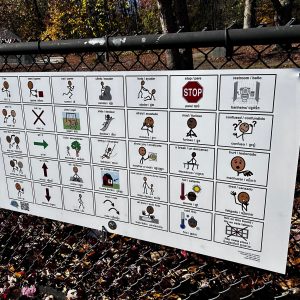
An effective public communication board must balance core vocabulary and fringe vocabulary.
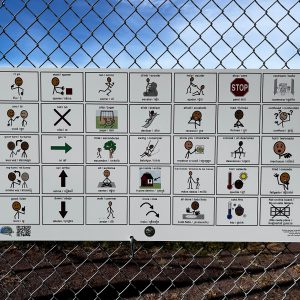
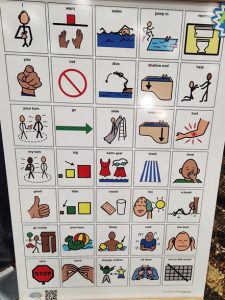
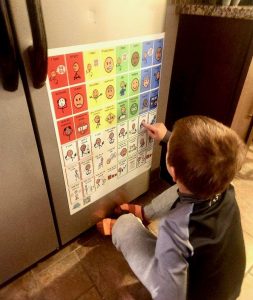
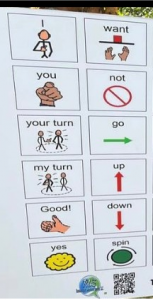
- Core Vocabulary: These are high-frequency words that make up about 80% of what we say across all contexts (e.g., want, help, stop, go, more, look, me, you, happy, sad).
- Fringe Vocabulary: These are context-specific nouns and verbs. For a playground board, fringe words would include swing, slide, sandbox, water, park, run, and climb.
A well-designed board places core vocabulary in a structured, easy-to-navigate layout (often following a left-to-right grammatical order) while dedicating a specific section to the unique features of that specific public space.
Evidence-Based Practice: What the Research Says About AAC and Inclusion
As clinical practitioners, everything we do at Resources at Lakeshore Speech is anchored in evidence-based practice and guidelines established by national bodies like the American Speech-Language-Hearing Association (ASHA).
The ASHA Position on Communication Access
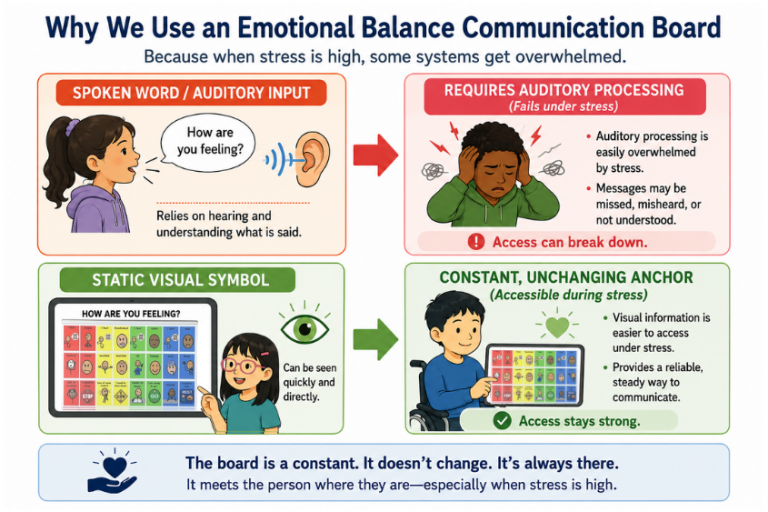
According to ASHA, communication is a fundamental human right. ASHA explicitly states that AAC use does not stunt natural speech development; in fact, research consistently demonstrates that AAC supports and accelerates verbal speech production by reducing communication anxiety and providing a clear auditory and visual model of language.
Scientific Studies on Public-Space Modeling
A landmark body of research in the field of developmental disabilities highlights that environmental engineering—changing the physical environment to support the user—is the single most effective way to promote independent functional communication. According to a comprehensive meta-analysis by Sennott, Light, and McNaughton (2016), individuals with complex communication needs demonstrate a monumental increase in spontaneous peer interactions when visual supports are permanently embedded into natural play spaces. Their findings confirm that these engineered environments yield significantly higher rates of social initiation compared to scenarios where users are forced to rely solely on personal electronic devices.
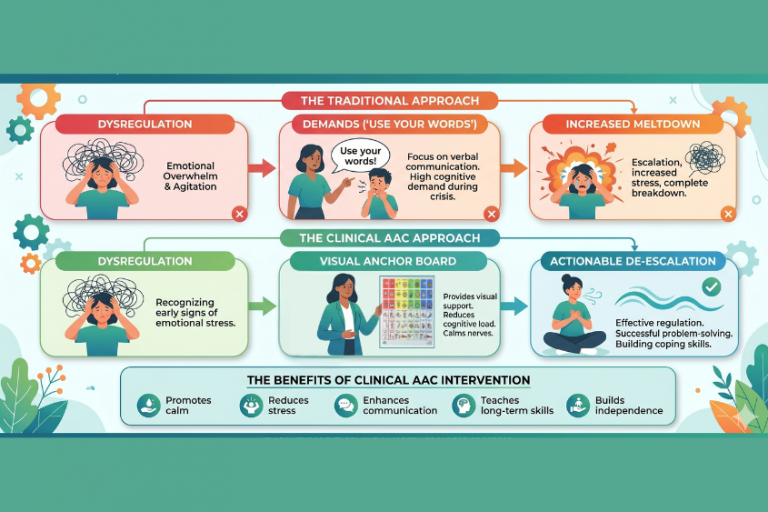
When we apply this science to municipal planning, it becomes clear that relying on a family to bring a personal device to a park is a clinical failure of environmental design. The park itself must be accessible. Therefore, implementing physical boards aligns directly with established therapeutic protocols for generalization—the ability to use communication skills outside of a clinical therapy room and in the real world.
How to Implement Low-Tech AAC in Your Community: A Step-by-Step Guide
If you are a parent, educator, or forward-thinking community leader, you might be wondering how to translate this knowledge into concrete action. Transforming your local park into an inclusive haven requires intentional planning.
Step 1: Identify the Right Location
Look for areas with high foot traffic and shared play zones. Ideal spots include:
- Directly adjacent to the primary playground structure.
- Near entry gates or benches where parents congregate.
- Beside inclusive play pieces like wheelchair-accessible merry-go-rounds or adaptive swings.
Step 2: Select High-Quality, Accessible Materials
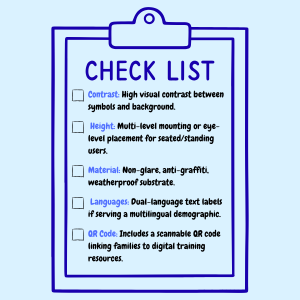
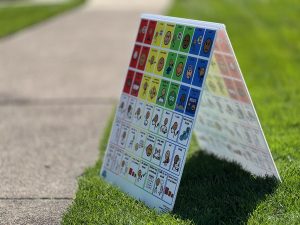
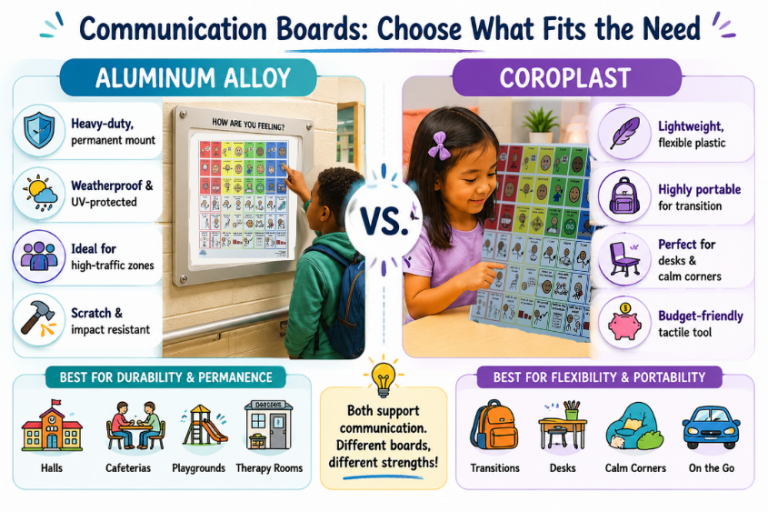
Do not cut corners on manufacturing. A cheap, laminated poster taped to a signpost will degrade within weeks. Invest in heavy-duty, UV-printed, non-glare aluminum or high-density polyethylene (HDPE) panels. Ensure the board is mounted at an accessible height for both standing children and individuals utilizing wheelchairs or mobility devices.
Step 3: Ensure Inclusive Vocabulary Design
Work with certified Speech-Language Pathologists to ensure the symbols chosen are universally recognized and structured logically. Avoid clutter; too many icons can cause visual fatigue and cognitive overload, defeating the purpose of quick, accessible communication.
Designing for Success: A Quick Implementation Checklist
Before purchasing or printing any public communication sign, verify that your project meets these accessibility standards: