


Learning to effectively communicate is essential for connecting with others, sharing ideas, and building relationships. For individuals using speech-generated devices (SGDs) or communication boards, interaction can be a bit different. These tools are vital for those who have difficulty speaking. Understanding how to communicate with them effectively can make a significant difference. Here’s how to communicate in a supportive and meaningful way.
Understanding Speech-Generated Devices and Communication Boards
What Are Speech-Generated Devices?
Speech-generated devices are electronic devices that produce spoken words. They allow individuals to communicate by selecting words or phrases which the device then speaks out loud. These devices can range from simple, single-message devices to complex, multi-message ones. Knowing how to communicate with someone using an SGD can help make interactions more successful and less stressful.
What Are Communication Boards?
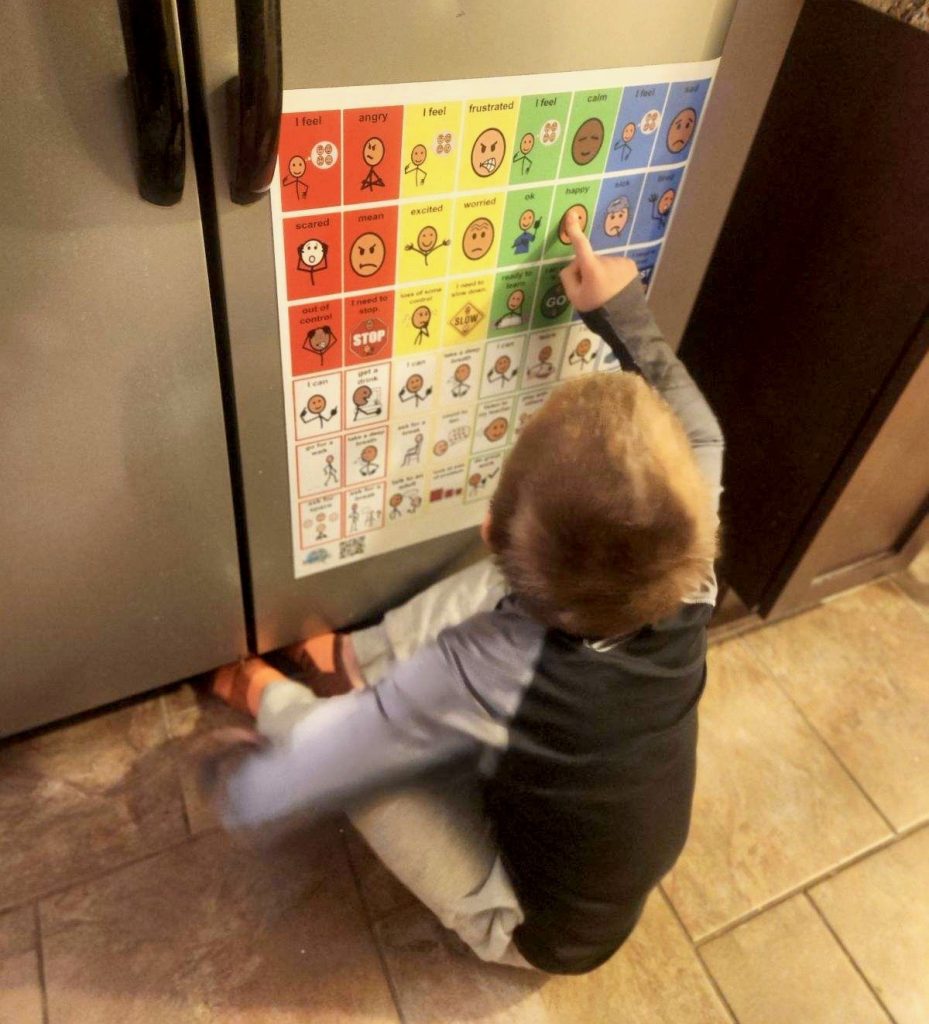
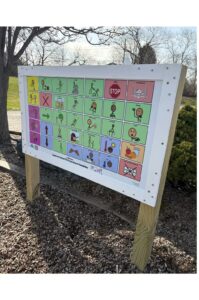
Communication boards are non-electronic tools that display symbols, pictures, or words. Users communicate by pointing to or looking at these symbols to communicate. Boards can be as simple as a piece of paper or as complex as a laminated sheet with many images. Understanding how to communicate using a communication board starts with recognizing that pointing, gestures, eye gaze, and other actions can all carry meaning.
The Importance of How to Communicate Effectively
Effective communication is crucial for:
- Building Relationships: Communication fosters connections between people.
- Sharing Information: It allows the exchange of ideas, needs, and wants.
- Enhancing Participation: It promotes active involvement in various activities.
- Increasing Independence: It empowers individuals to express themselves and make choices.
Knowing how to communicate effectively can help communication partners create more positive interactions and give individuals using AAC more opportunities to participate.
Principles of How to Communicate Effectively
Be Patient
Patience is key when communicating with someone using an SGD or communication board. It may take them longer to form responses. Avoid rushing them. Give them the time they need to express themselves fully. One of the most important parts of learning how to communicate with an AAC user is allowing enough time for a response.
Make Eye Contact
Maintaining eye contact shows that you are engaged and attentive. It helps in building a connection and understanding non-verbal cues.
Use Clear and Simple Language
Use straightforward and clear language. Avoid jargon and complex sentences. This makes it easier for the individual to understand and respond. When considering how to communicate clearly, remember that simple language can make interactions easier and more accessible.
5 Steps for Effective Interaction
Step 1: Start with a Greeting
Begin with a friendly greeting. A simple “hello” can set a positive tone for the interaction. This helps in making the person feel valued and acknowledged.
Step 2: Ask Open-Ended Questions
Open-ended questions encourage more detailed responses. Instead of asking, “Did you have a good day?” ask, “What did you do today?” This invites more engagement and provides another practical example of how to communicate in a way that encourages participation.
Step 3: Wait for a Response
After asking a question, wait for a response. Give the individual ample time to use their device or board. Show patience and interest in their reply.
Step 4: Listen Actively
Active listening involves paying full attention to the speaker. Nod, make eye contact, and provide feedback. This shows that you are genuinely interested in what they have to say.
Step 5: Repeat or Clarify if Needed
If you don’t understand, ask them to repeat or clarify. It’s okay to say, “I didn’t catch that. Can you show me again?” This demonstrates your commitment to understanding them and is an important part of how to communicate respectfully.
Creating a Supportive Environment
Ensure Accessibility
Make sure the environment is accessible. This includes having the SGD or communication board within easy reach. Ensure the area is well-lit so they can see the symbols clearly.
Minimize Distractions
Reduce background noise and other distractions. A quiet environment helps both parties focus on the conversation. Creating the right environment is an important part of understanding how to communicate effectively with someone who uses AAC.
Position Yourself Appropriately
Sit or stand at the same level as the individual. This makes it easier for them to see you and feel more comfortable.
Encouraging Communication
Acknowledge Efforts
Recognize and praise their efforts to communicate, even if the message isn’t clear. Positive reinforcement encourages them to keep trying.
Use Visual Aids
Incorporate visual aids when necessary. Pictures, gestures, and written words can support communication and help convey messages more effectively.
Be Consistent
Use consistent language and symbols. Familiarity with specific terms and images aids comprehension and response. Knowing how to communicate consistently can help build confidence and familiarity over time.
Overcoming Communication Barriers
Address Technical Issues
If there’s a problem with the SGD, address it promptly. Ensure the device is charged and functioning correctly.
Adapt to the Individual’s Needs
Be flexible and adapt your communication style to suit the individual’s needs. This may involve using more gestures, slowing down your speech, or breaking down information into smaller parts.
Seek Professional Advice
Consult with speech therapists or other professionals if you encounter persistent communication challenges. They can provide strategies and support to improve interaction.
Promoting Inclusion and Participation
Encourage Social Interaction
Promote opportunities for the individual to interact with others. This can be through group activities, social events, or community involvement.
Foster Independence
Encourage the individual to use their device or board independently. Support them in making choices and expressing preferences.
Advocate for Accessibility
Advocate for accessible environments in schools, workplaces, and public spaces. This includes ensuring that communication aids are available and integrated.
Personalizing Communication
Learn About Their Preferences
Take the time to learn about the individual’s preferences and interests. This makes conversations more engaging and meaningful.
Use Familiar Topics
Discuss familiar topics that interest the individual. This encourages participation and makes the communication process more enjoyable.
Respect Their Pace
Respect the individual’s pace and don’t rush them. Each person has their own rhythm and comfort level when communicating.
Building Long-Term Communication Skills
Provide Ongoing Support
Offer ongoing support and encouragement. Continuous reinforcement helps in building and maintaining communication skills.
Celebrate Milestones
Celebrate communication milestones and achievements. Recognizing progress boosts confidence and motivation.
Engage in Regular Practice
Encourage regular practice of communication skills. This can be through daily interactions, structured activities, or therapy sessions.
Conclusion
Effective communication with individuals using speech-generated devices or communication boards is a rewarding and enriching experience. It requires patience, understanding, and a commitment to making meaningful connections. Learning how to communicate with someone who uses AAC means being willing to listen, wait, adapt, and respect the individual’s preferred way of expressing themselves.
By following these guidelines, you can support and empower individuals to express themselves, participate actively in their communities, and build lasting relationships. Remember, communication is a two-way street, and learning how to communicate effectively can make a significant impact on their lives.
communicate, communicate, communicate, communicate, communicate, communicate, communicate, communicate, communicate, communicate, communicate, communicate, communicate,







1 Comment
[…] of all ages.In this post, we’ll share five practical tips for supporting AAC users, along with helpful resources to deepen your understanding and boost your confidence. supporting AAC […]
Comments are closed for this article!