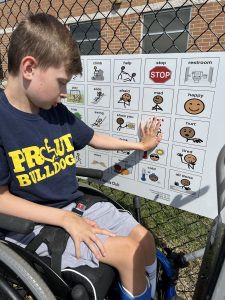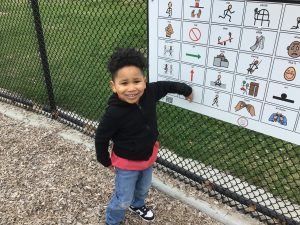

The Window Is Open Right Now
If you are reading this in July or August, you are sitting in one of the most important funding windows of the year. This back-to-school checklist is built from more than a compbined 60 years of experience helping schools, recreation departments, and advocates turn the idea of inclusive playground boards into reality. We are here to help you along the way to providing your community the necessary steps for obtaining communication board.
When speech-language pathologists (SLPs), parents, and educators approach a new school year, they often focus entirely on classroom materials, seating charts, and individual education programs (IEPs). However, true inclusion does not stop at the classroom door. True inclusion extends to the recess yard, where social-emotional learning actually happens. By utilizing this strategic back-to-school checklist, you can navigate the bureaucratic systems smoothly and ensure that non-verbal, minimally verbal, and augmentative and alternative communication (AAC) users have a communication board that gives them a voice on the playground before the autumn leaves begin to fall.
Step One: Identify Your Location This Week
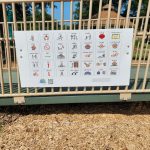
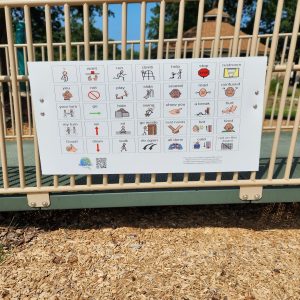
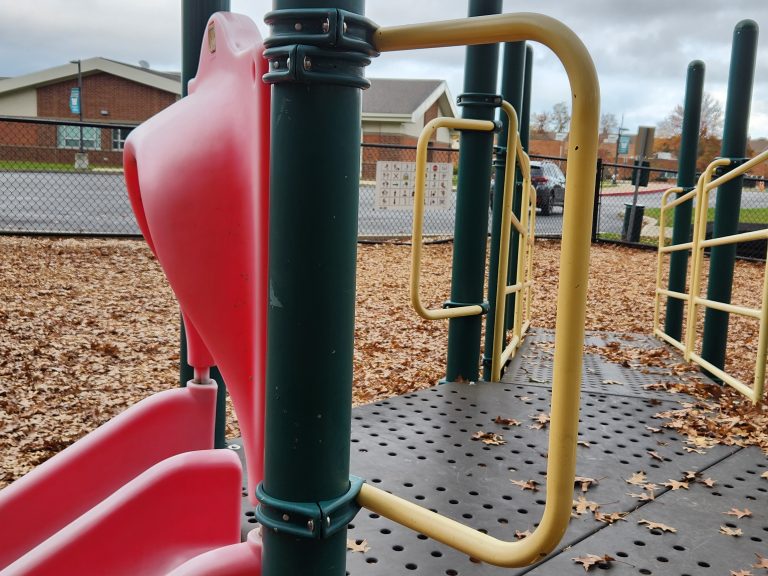
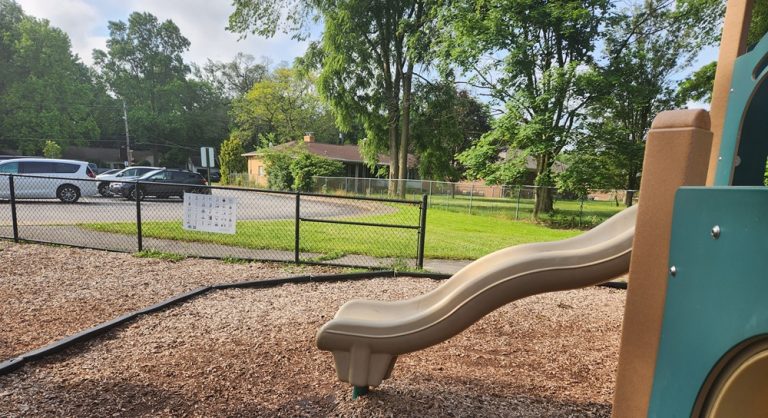
Before anything else on your back-to-school checklist, you must get incredibly specific about where the communication board is going to live. Do not leave this decision to a general contractor or a maintenance crew who may not understand the specific needs of AAC users. You need to physically walk the playground layout yourself. Notice where children naturally gather, where the traffic bottlenecks occur, and where the most popular play structures are located.
Keep the Americans with Disabilities Act (ADA) accessibility guidelines, the standard 36-inch height rule for wheelchair access, and high-traffic placement in mind as you scout locations. The board needs to be highly visible, easily approachable, and positioned so that a child does not have to leave the main play area just to communicate a basic need. These essential physical logistics are covered in much more depth on our dedicated playground communciation board page, which you should review before finalized planning.
Step Two: Build Your One-Paragraph Case
The second phase of this back-to-school checklist focuses on clarity and conciseness. You do not need a massive, fifty-page formal grant proposal to get this project off the ground. In fact, a long document might delay approval during the busy summer months. What you actually need is one tight, high-impact paragraph that answers four essential questions: Who does the board serve? What specific problem does it solve? What tangible playground dynamics will change? What exactly does the project cost?
When administrators review funding requests, they look for immediate clarity. Your paragraph should explain that the board serves all students—including those with autism, speech delays, Down syndrome, and English language learners. It solves the problem of playground isolation and behavioral frustration caused by communication barriers. If you need help refining your narrative, our detailed post on who truly benefits from inclusive playground boards gives you the exact clinical and social language required for the “who” question.
Step Three: Send Three Emails Before the End of This Week
The most common reason an inclusion project stalls is not a lack of available funding—it is a lack of initial momentum. Momentum is the heartbeat of this back-to-school checklist. To beat the summer administrative rush, you must send three specific emails before this week concludes.
- Your Director of Special Education: Frame your request around IDEA Part B assistive technology funds. Districts often have unspent or flexible allocations in these accounts that must be utilized for systemic student support.
- Your Building Principal or Recreation Director: Frame the communication board explicitly as an ADA improvement and a proactive universal design for learning (UDL) initiative. Principals love turnkey projects that improve school climate.
- Your County Board of Developmental Disabilities: Local county boards frequently have community grant cycles, capital improvement funds, or family support dollars designated specifically for community-wide inclusion projects.
Step Four: Line Up Your Sponsor Conversation
While you are waiting on internal administrative responses to drop into your inbox, move directly to the next item on your back-to-school checklist: identifying local corporate partners or civic organizations. Look for community-minded small businesses, local Kiwanis or Lions Clubs, or a regional pediatric dental practice that prides itself on community involvement.
When you approach these potential partners, offer them a permanent logo placement on the bottom of the sign. This turns a simple donation into a long-term marketing and community goodwill asset for their business. To make this conversation an easy win for you, up to four custom sponsor logos are included on every single board we manufacture at no additional cost.
Step Five: Request Your Quote and Justification Language
Do not guess at prices or installation variables. Contact our team to request a formal quote as early in your timeline as possible. Having a real, line-item PDF quote completely changes the nature of your funding conversations; it transforms your idea from a vague concept into an actionable, shovel-ready project.
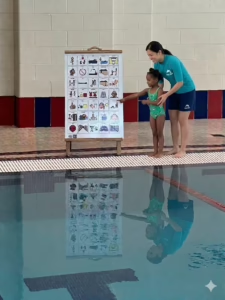
Additionally, we provide fully customized justification language for grant applications and district purchase orders at no cost. This specialized language links the communication board directly to state educational standards and federal accessibility mandates—a critical detail many advocates miss when trying to navigate their back-to-school checklist without expert support. Furthermore, if your facility project includes pool, splash pad, or aquatic spaces in addition to the traditional playground, mention that during your quote conversation. Funders respond incredibly well to multi-site, multi-environment inclusion requests that maximize their financial impact across an entire community.
Step Six: Plan the Celebration Now
It may sound counterintuitive, but planning the ribbon-cutting ceremony before the board is even fully funded is a vital psychological step on this back-to-school checklist. Visualizing the finish line makes the project feel real to your committee and sustains collective momentum when bureaucratic delays happen.
Set a tentative date on the school calendar for early autumn. Plan to invite your corporate sponsors, your PTO, the school community, and the local press. A public dedication ceremony provides sponsors with the visibility they deserve and shows the community that your school takes equitable play seriously. For creative ideas on invitations, student-led demonstrations, and media outreach, check out our comprehensive guide to boosting community engagement to make that dedication day unforgettable.
The Resources You Need
The new school year is coming quickly, and the playground should be ready to welcome every single child on day one. As you work your way down this back-to-school checklist, remember that you do not have to invent these wheels from scratch. Lean on federal frameworks and local data to support your claims. For instance, the official IDEA Part B overview provided by the U.S. Department of Education is an invaluable legal reference to cite when drafting your initial email to your Director of Special Education.
Do not let another school year slip by with a playground that unintentionally excludes children. Request your free quote today, download our full design catalog, and let our team help you check this vital project off your list before the school bells ring.