How to Celebrate Childhood Apraxia of Speech

What is Childhood Apraxia of Speech?

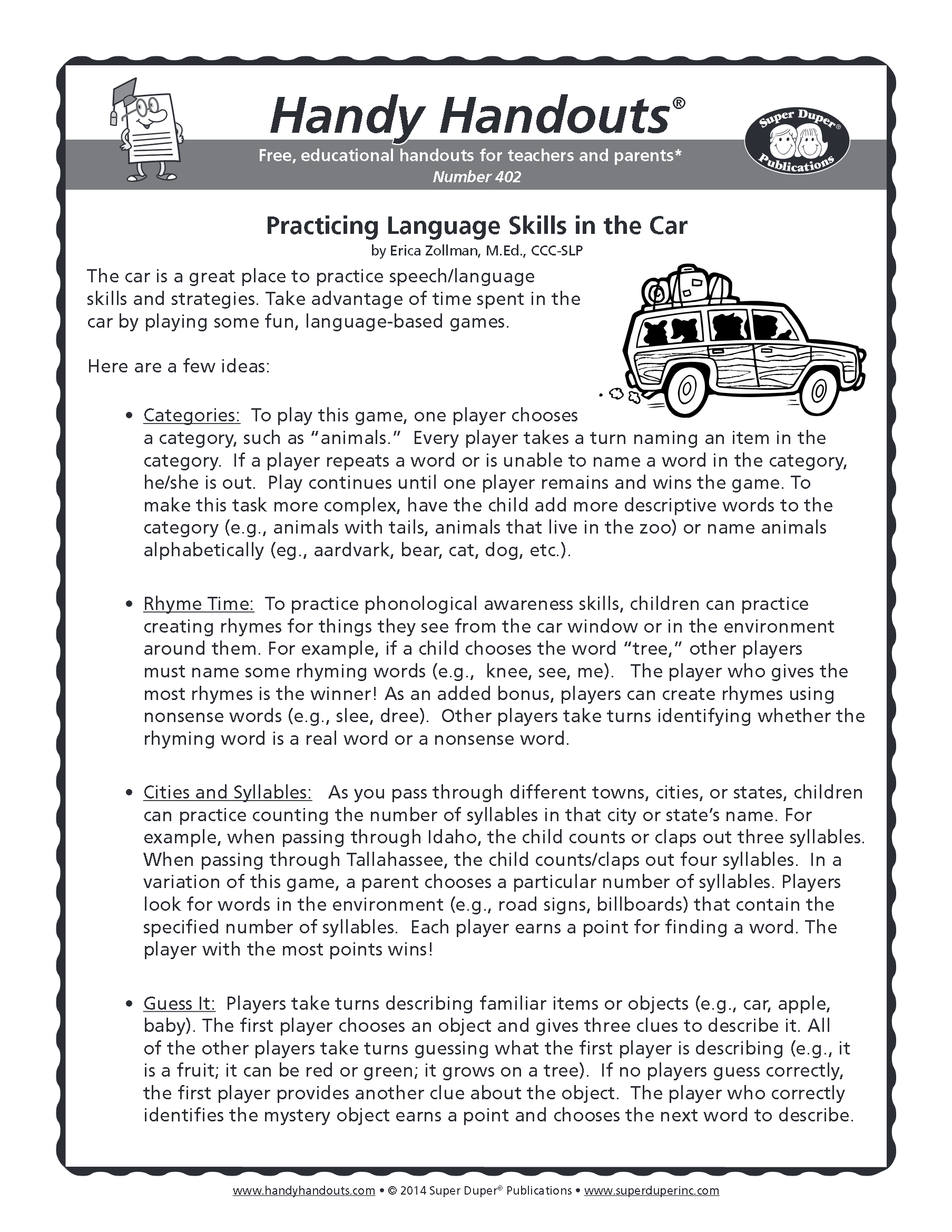
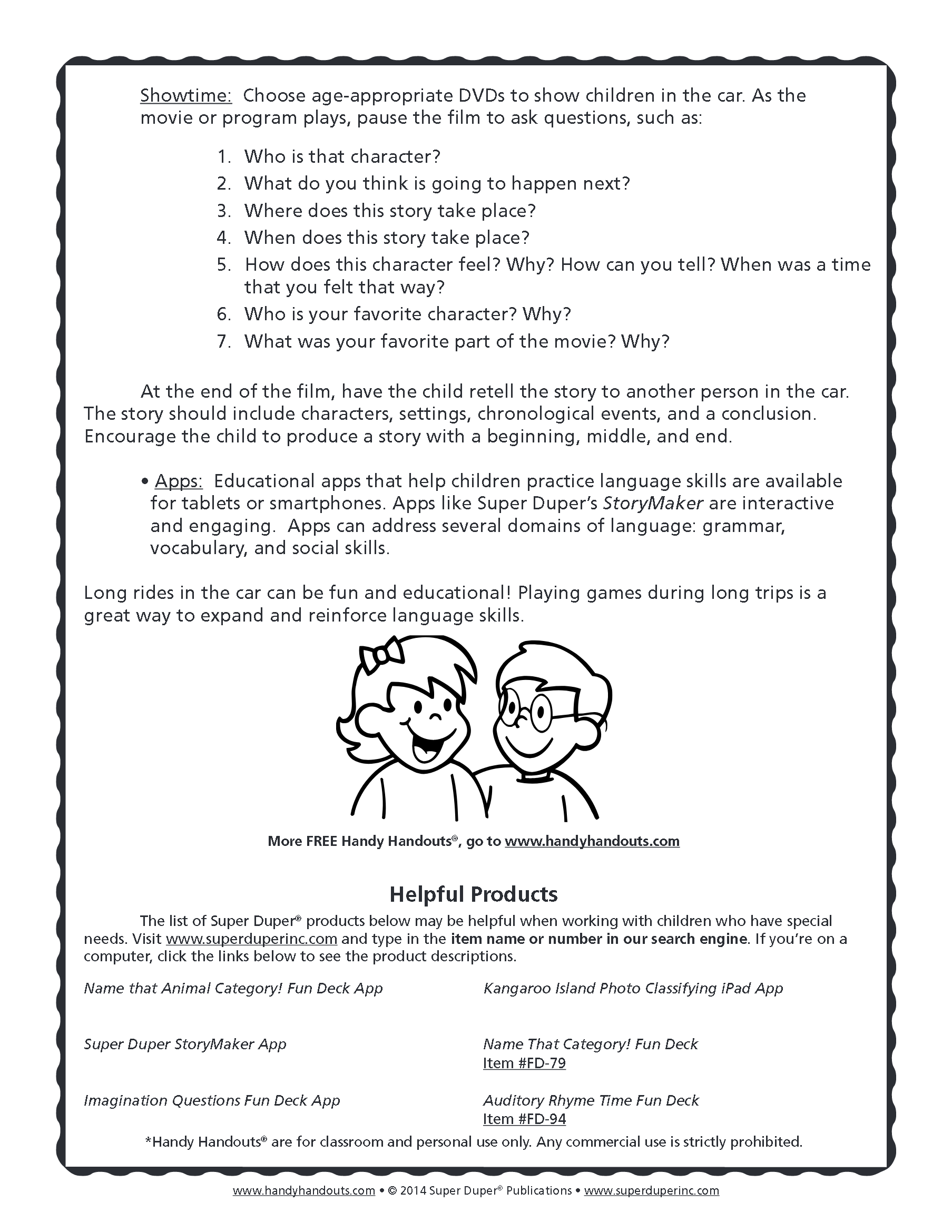
Childhood Apraxia of Speech is some degree of disrupted speech motor control.In other words,  a child diagnosed with CAS experiences  difficulty rapidly and accurately moving and sequencing  the tongue, lips and palate for the required movements for continuous and intelligible speech production.  While the data on incidents of CAS in children is lacking, the estimates of some sources indicate that CAS is low incidence with perhaps 1 – 10 in 1000 children affected or 3 – 5 % of speech-impaired preschoolers.

What does this look like at home, one the playground, in preschool?

A child with CAS may experience a limited number of vowel sounds, difficulty imitating mouth movements and/or words/sounds, or a variety of errors that may be unusual or idiosyncratic.  Children with CAS may or may not experience receptive language deficits.  Depending on the child, negative behaviors associated with not being understood may also be evident.

What does a parent do?  Where do you go?

An experienced Speech-Language Pathologist in the area of CAS can help navigate families and children through the CAS journey.  As a parent/caregiver, do not feel intimidated asking if your SLP has experience in the area of CAS.  The therapists at Lakeshore Speech Therapy, LLC. are happy to answer your questions about CAS as well as provide specific therapeutic interventions.

February is CAS awareness month.  If you would like more information, please feel free to ask your Speech-Language Pathologists as well as visit The Childhood Apraxia of Speech Association of North America.

Yours in Speech,

Lakeshore Speech Therapy, LLC.
Learn How to Use and Model Social Skill Filters

“I can’t believe you just said that!” We have all experienced a moment when our child blurts out a thought  that should have stayed in their heads.

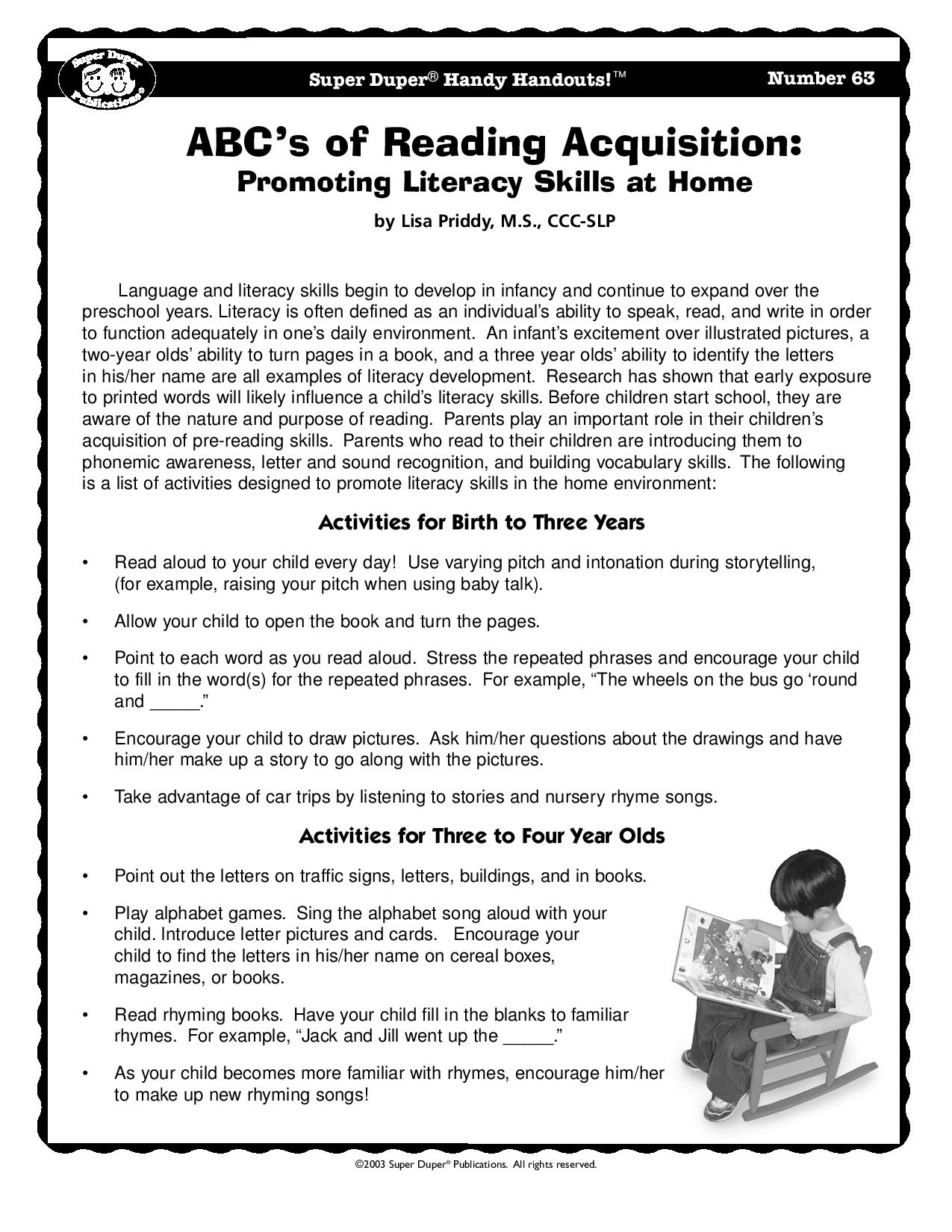
Join Ellen Spear, MA, CCC-SLP, of Lakeshore Speech Therapy, LLC, as she helps children use their “social filter” and understand how words and actions have an effect on others. Using role play, video, and smalll group activities,  this hour long program will focus on deciphering the hidden rules of  inside thoughts vs expressing a thought out loud.. We will  determine whether we need to use our “thinking bubble”  or “talking bubble” across a variety of different social situations and learn about the where, when, and who of venting.

Where: Lakewood Public Library
When: Saturday, February 3, Sessions begin at 1:00 pm and 2:30 pm

Online registration at www.connectingforkids.org

Consider Making Your Resolutions for the New Year!

Speech-Language Therapy Resolutions for a New Year

“What’s your resolution this year?” The most frequently asked question from January 1st – 10th of any year.  After about 10 days of asking we are all pretty certain that either a. all resolutions have been broken or b. there were none to begin with.  For 2018 we might consider to resolve ourselves versus struggle to meet unrealistic resolutions.  Resolve ourselves to find the good in all actions and words. Resolve ourselves to be present…present to our children, our partner, our friends, our corner of the world.  Resolve ourselves to laugh more, to smile more, to find the joy, to communicate!

Developing Communicaiton Skills is a Team Resolution

So how does this remotely relate to speech-language therapy?  Good question! Communication is not just made up of one mode of expression – talking. Rather communication is any way we get our message understood – talking, facial gestures, hand gestures, sign-language, AAC devices, etc. ; being understood is what communication is all about.  Speech-language therapy is a means by which we learn how to communicate in a mode that is most effective and efficient.  Speech-language therapy does not happen in a bubble and a Speech-Language Therapist (SLP) cannot make effective change in communication  without the support and team-work of a child’s entire TEAM .  Speech-language therapy is most effective when the entire TEAM is on the same page working towards the same end.   The resolve of the entire TEAM has to be finding, practicing and expecting  a child to communicate in the most effective and efficient mode.  As the main members of the TEAM, parents/caregivers need to communicate with the SLP.  Your SLP wants to hear the good, the bad, and the ugly….what worked, what didn’t work.  Your SLP should be able to clearly explain how to best manage and create an environment for successful communication in a manner that works for the ENTIRE TEAM.  The time spent communicating with your SLP is equally as important as the time she/he spends working with your child.  By resolving ourselves to communicate more effectively, our children not only learn by our example but those around us will as well.


Hats off to the start of amazing things in 2018!


Yours in Speech,

Lakeshore Speech Therapy, LLC