Communication Boards & ADA Accessibility : Inspiring Inclusion

ada communication boards

The Power of Connection: A Comprehensive Report on Communication Boards & ADA Accessibility

Imagine walking onto a playground and feeling like you have no voice. For many children and adults with speech differences, this is a daily reality. However, we have the power to change that. Seeing how the right tools turn a silent park into a world of conversation is a powerful thing.

Today we go on a deep dive into communication boards and ADA accessibility. We will explore how these simple signs create a “language-rich” environment for everyone. Whether you are a parent, a teacher, or a community leader, you play a vital role in building a world where every voice is heard.

Why Every Community Needs Communication Boards

At its heart, communication is a human right. Many people use Augmentative and Alternative Communication (AAC). This is just a way of saying they use tools other than talking to share their thoughts.

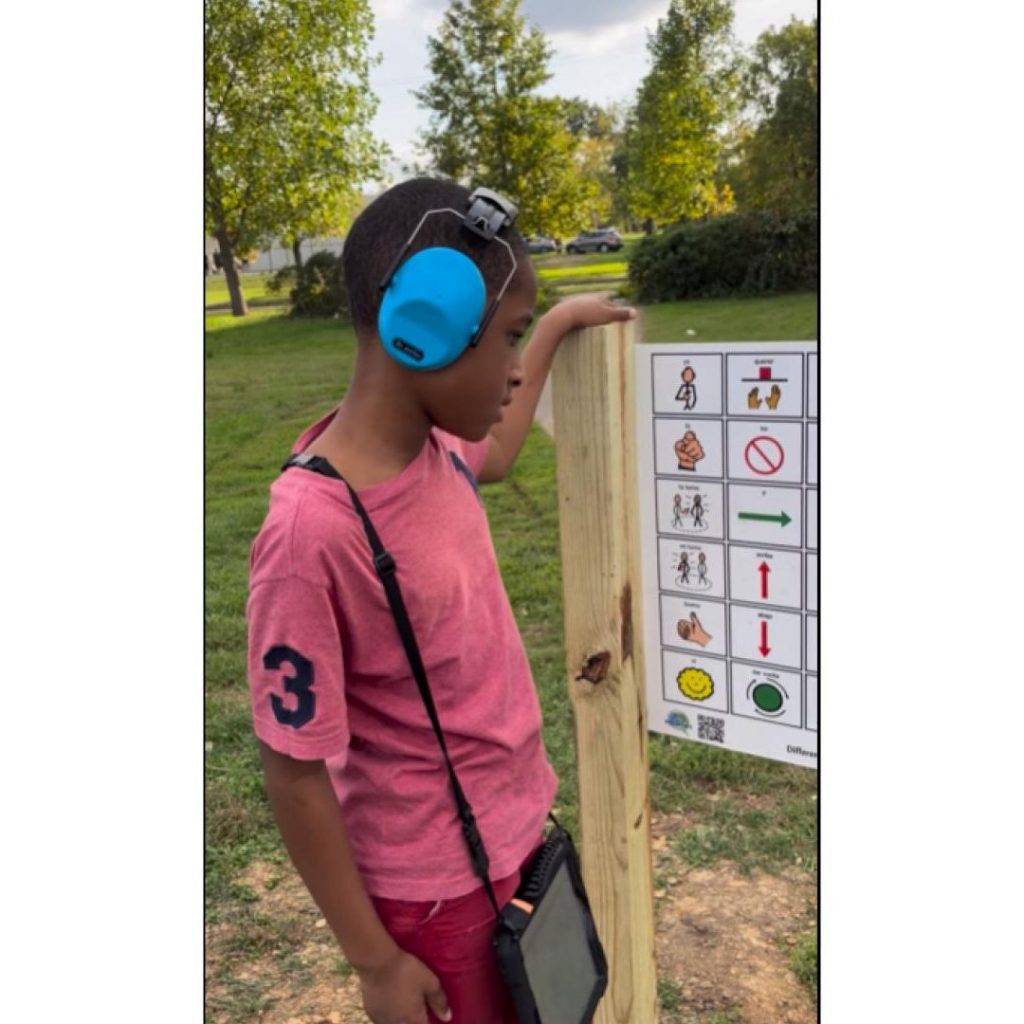
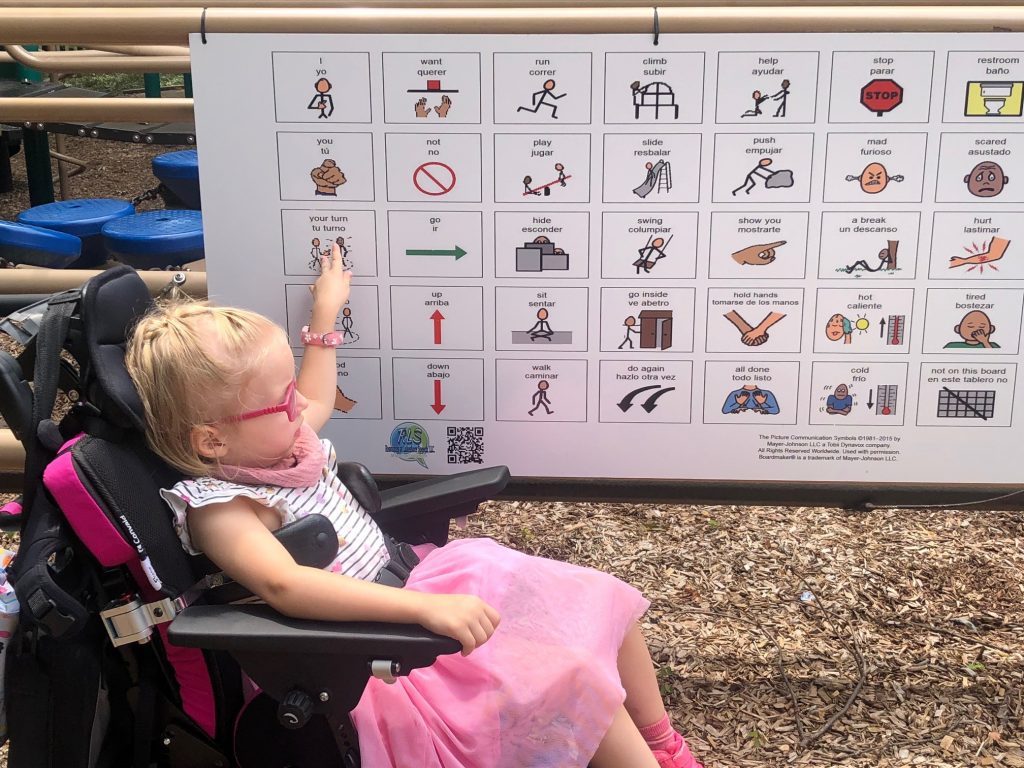
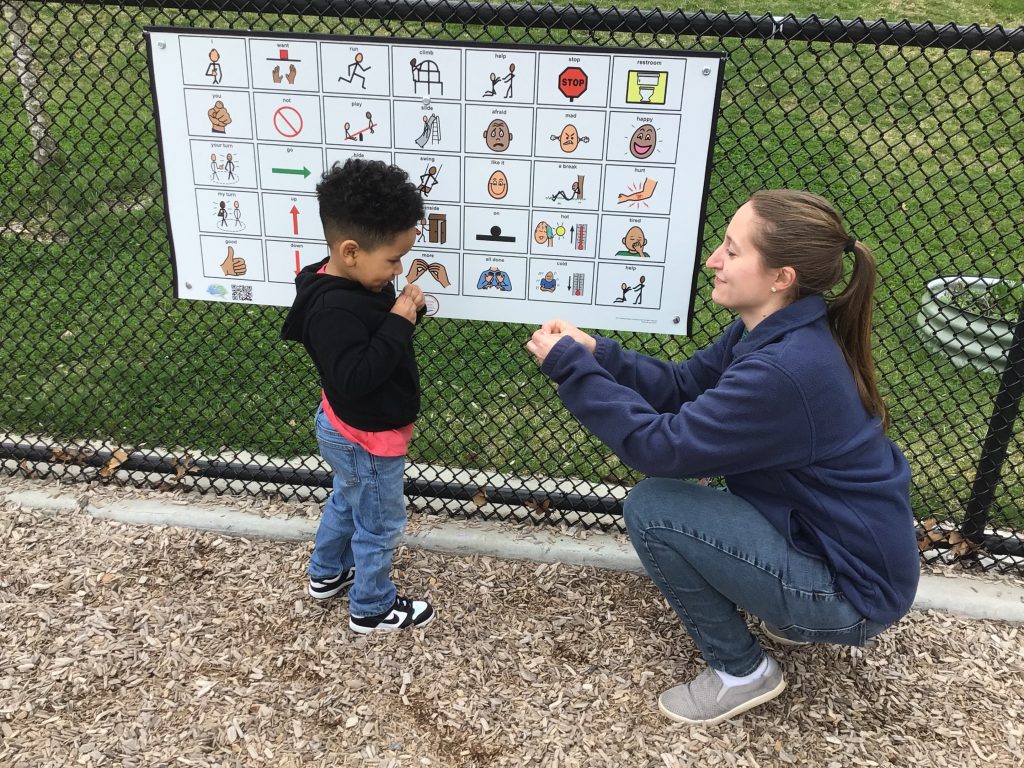
When we put communication boards in public spaces, we are telling every child, “You belong here.” These boards usually feature symbols or pictures that represent words like “swing,” “help,” “more,” or “stop.” By pointing to a picture, a person who cannot speak clearly can still tell their friend they want to play tag.

Furthermore, these boards don’t just help people with disabilities. They help toddlers who are still learning to talk and families who speak different languages. Consequently, a single board makes the entire community stronger and more connected.

The Legal Side: Communication Boards and ADA Accessibility

You might wonder if these boards are required by law. The Americans with Disabilities Act (ADA) says that public spaces must be accessible. While the law is often associated with ramps and wide doorways, it also covers “effective communication.” This means people with speech disabilities must have a way to interact with their environment.

Understanding Inclusive Playground Requirements

To truly meet inclusive playground requirements, we have to look past the physical equipment. A child might be able to get their wheelchair onto the play structure, but can they ask to join the game?

  • ADA Physical Access: The board must be at a height where someone in a wheelchair or a small child can reach it.
  • ADA Visual Access : The board needs high-contrast colors so people with low vision can see the symbols clearly.
  • Durability: In public spaces, boards must withstand rain, sun, and heavy use over many years.

By following these inclusive playground requirements, city planners ensure that “access” means more than just being present—it means being an active participant in the fun.

FAQ: Common Questions About AAC in Public Spaces

In clinical and community settings, certain questions come up often. Understanding the “why” behind AAC public spaces helps everyone get on board with these projects.

1. Who actually uses these communication boards?

The short answer is: Everyone! Specifically, they support individuals with:

  • Autism or Down Syndrome
  • Cerebral Palsy or Apraxia of Speech
  • Brain injuries or temporary speech loss

In addition to those with disabilities, they are great for young kids who are learning to follow icons and symbols.

2. Do these boards stop children from learning to talk?

This is a common worry, but the evidence shows the opposite. Research and clinical standards from groups like the American Speech-Language-Hearing Association (ASHA) show that using AAC actually helps language development. It reduces the frustration that comes with not being understood. When a child feels successful communicating through a board, they are often more motivated to try using their voice.

3. Where should we place them for the best impact?

Location is key for ADA accessible park communication. You want the board to be in a “high-traffic” area where play happens. Good spots include:

  • The main entrance to the playground area.
  • Near the most popular equipment, like the swings or slides.
  • In “quiet zones” where a child might go if they feel overwhelmed.

The Clinical Perspective: Why Symbols Matter

In speech therapy, the focus is on functional communication. This means being able to say what you need, when you need it, in the real world.

Public boards use what is called “Core Vocabulary.” These are words that make up about 80% of what we say every day. Words like “go,” “want,” “I,” and “you” are incredibly versatile.

Key Takeaway: A well-designed board doesn’t just have pictures of toys; it has “action words” that allow a person to direct their own play and make choices.

Designing Meaningful ADA Accessible Parks Communication

If you are a community leader looking to install a board, keep these three things in mind to ensure the project successfully includes ADA accessbility:

Universal Design

Don’t hide the board in a corner. It should be a central part of the park. When everyone—regardless of ability—uses the board, the social pressure of using AAC disappears. It becomes a normal part of playing, just like the sandpit or the monkey bars.

Clear Icons and Systems

Use symbols that are widely recognized. Most speech experts recommend using symbols from established systems. This consistency helps users because the “stop” sign at the park looks the same as the “stop” sign in their school book or on their personal tablet.

Community Training and Support

Installing the board is only the first step. Furthermore, you should provide a way for people to learn how to use it. Many boards now include a QR code that links to a short video. This video can show parents how to “model” the language. Modeling is simply pointing to the pictures while you talk to your child so they see how it works.

Expert Tip: If you want your park to be truly inclusive, host a “Communication Playdate” where an SLP shows the community how to use the board!

Making AAC Public Spaces a Reality

Creating AAC public spaces requires a team effort. It takes a village to ensure no one is left out of the conversation. Here is how different groups can help:

  • Families: Request communication boards and ADA accessibility from your local parks department or city council. Your lived experience is the best way to spark change.
  • Educators: Use the boards during field trips. Show your students that communication happens everywhere, not just at a desk.
  • Community Leaders: Budget for these boards as essential infrastructure, not as an “extra.”

In addition to being the right thing to do, it is a smart investment. Parks that are inclusive attract more families and foster a more welcoming city culture for everyone.

Conclusion: Empowerment Through Accessibility

When we prioritize communication boards and ADA accessibility, we are building more than just parks; we are building confidence. We are giving a non-speaking child the power to say “My turn!” We are giving a parent the joy of finally understanding what their child wants to do next.

Communication is the thread that ties a community together. An inclusive park can change a life by removing the barriers that keep people apart. No one should be a spectator in their own neighborhood because they communicate differently. Making a public space truly ADAaccessible is a big job, but it is one that pays off every time a child points to a board and smiles

Taking the Next Step. Let’s Build an Inclusive Future Together

Are you ready to make your public space truly ADA accessible? Whether you need help choosing symbols, understanding inclusive playground requirements, or training your staff, we are here to help. Contact Resources at Lakeshore Speech to begin your journey.
AAC Awareness
playground Communication boards
Communication board on a playgrouns. Student using it to communicate
symbol system - cool

Creating Joyful Connections: Communication on Valentine’s Day

expressions of love

Love Without Limits: Meaningful Communication on Valentine’s Day Through Connection and Inclusion

Valentine’s Day is a season that naturally turns our hearts toward connection, friendship, and the joy of telling someone they matter. For many of us, it involves the rustle of paper cards, the sweetness of a candy heart, and the warmth of a simple “I like you.” At Resources at Lakeshore Speech, we believe that every individual has a beautiful message to share, but we also know that for some children, the traditional ways of speaking those messages can be a challenge.

Ensuring successful communication on Valentine’s Day isn’t just about the words spoken; it’s about opening doors so that every child—regardless of their verbal abilities—can participate in the magic of the holiday. Whether your child is navigating autism, a speech delay or simply needs a little extra visual support, communication boards serve as a gentle bridge to connection. In this post, we’ll explore how these tools create a more inclusive world where every “expression of love” is heard and celebrated.

What Are Communication Boards? A Tool for Every Heart

If you are new to the world of Augmentative and Alternative Communication (AAC), you might wonder exactly how a board helps. Simply put, a communication board is a collection of symbols, pictures, or words that a child can point to in order to express a thought. As we often discuss in our community guides, these boards provide a “visual anchor” for language.

When we focus on communication on Valentine’s Day, we use these boards to lower the pressure. Holidays can be overwhelming! Between the noise of classroom parties and the social expectations of card exchanges, a child’s verbal speech might “take a break” due to sensory overload. A communication board remains a steady, reliable tool. It allows a child to point to a picture of a “heart,” a “friend,” or the word “more” to stay engaged without the stress of finding the right sounds in a busy moment.

Expressions of Love: Beyond the Spoken Word

In one of our favorite past blog posts, Expressions of Love, we shared a truth that sits at the core of our practice: expression cannot be limited to talking. Love comes in a variety of shapes, colors, and sounds.

When we prioritize communication on Valentine’s Day, we are validating all the different ways children show they care. Here are some of the beautiful ways children can express themselves using tools and strategies we love:

  • The Power of Sign: Teaching a child the sign for “I love you” is a portable, silent, and deeply personal way to connect.
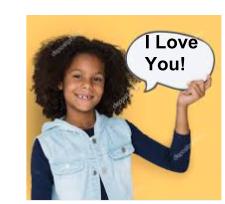
  • Speech Bubble Photos: As shared in our Expressions of Love post, having a child hold a heart or a speech bubble with a written message for a photo is a wonderful way to send a Valentine to a grandparent or friend.
  • Lip Print Art: Using lipstick or chapstick to make “kisses” on paper isn’t just adorable—it’s also a great oral motor exercise that supports the physical side of speech development!

By expanding our definition of “talking,” we ensure that no child is left out of the celebration.

Enhancing Social Interaction and Communication on Valentine’s Day

The social landscape of mid-February is filled with opportunities for growth. For educators and parents, the goal is often to help a child move from being a “bystander” to a “participant.” Utilizing specialized tools for Communication on Valentine’s Day makes this transition smoother.

Creating a Language-Rich Environment

Whether you are using a portable board from our clinic resources or a large-scale playground board, the key is to model the language. If you are handing out valentines, point to the “give” or “friend” symbol on the board as you do it. This shows the child that the board is a real, living part of how we interact. As we noted in our recent post about Enhancing Holiday Joy, providing these visual scaffolds during festivities reduces frustration and invites the child into the heart of the activity.

Supporting Educators in Building Inclusive Classrooms

Educators have the incredible task of making sure every student feels like they belong. When a teacher integrates communication on Valentine’s Day into their classroom, they are teaching empathy to the entire class.

We recommend setting up “Communication Stations” near Valentine’s Day mailboxes. These stations can feature:

  • Core vocabulary boards with words like “like,” “you,” “me,” and “happy.”
  • Visual schedules that show the steps of the Valentine’s party.
  • “Choice boards” for selecting which treats or crafts a student prefers.

Create easy-to-clean boards that can handle the sticky fingers and high energy of a school party to ensure that the tool is always ready when the child has something to say.

Empowering Families to Communicate at Home

Some of the most meaningful moments happen at the kitchen table or during a bedtime routine. To keep the momentum of communication on Valentine’s Day going, families can practice “Expressions of Love” in low-stress environments.

Try creating a “Family Code” or a special ritual. As suggested in our Expressions of Love blog, you might use a Valentine’s-themed communication board as part of your bedtime routine, allowing your child to pick a “sweet dream” symbol or point to “I love you” before they go to sleep. Practice doesn’t have to be a chore; when it’s wrapped in the love of a family tradition, it becomes a permanent part of the child’s communication toolkit.

Building Inclusive Communities and Public Spaces

At Resources at Lakeshore Speech, we are passionate about taking communication supports out of the clinic and into the world. When we see communication on Valentine’s Day being supported in libraries, parks and local businesses, we know we are moving toward a more compassionate community.

Inclusion in Every Season

Whether it is a playground communication board that helps a child find a playmate in February or a pool board for the summer, these tools tell families: “You are welcome here. Your child’s voice is heard here.” Community leaders who install these boards are laying the foundation for true inclusion, ensuring that every public space is accessible to those who communicate differently.

Selecting the Right Tools for Your Journey

Choosing the right way to support communication on Valentine’s Day depends on your child’s unique needs. At Resources at Lakeshore Speech, we offer a variety of resources designed to fit different environments:

  • Clinic and Therapy Boards: Perfect for focused practice sessions.
  • Playground and Community Boards: Large, weather-resistant displays that foster peer-to-peer interaction.
  • Emotional Balance Boards: Helpful for checking in on how a child is feeling during the excitement of a holiday.

Every resource we provide is rooted in the belief that communication is a human right. When a child has the tool they need, they can finally let the world hear their message “loud and clear”.

A Season of Growth and Connection

The research behind AAC is clear: providing children with multiple ways to communicate—through signs, pictures, and boards—actually supports their long-term language development. It gives them the “wins” they need to stay motivated. When a child uses a board to successfully navigate communication on Valentine’s Day, they aren’t just getting a piece of candy; they are gaining the confidence that comes from being understood.

We’ve seen it time and again a child who was once frustrated by their inability to share a thought begins to blossom when they realize they have a “voice” on their board. This Valentine’s Day, we invite you to join us in celebrating those breakthroughs.

Final Thoughts: Let Love Lead the Way

As we celebrate this month of affection, let’s remember that the most loving thing we can do is listen. communication on Valentine’s Day is about more than just a holiday; it’s a reminder that every day is an opportunity to help someone express their heart.

Whether you are a parent, a teacher or a community member, your support of inclusive communication makes a difference. You are helping to build a world where “I love you” can be spoken, signed, or pointed to—and where every version is equally beautiful.

Communication boards are more than just boards; they are tools of empowerment. They allow for meaningful communication on Valentine’s Day by providing a visual path for children to share their feelings, interact with friends, and participate in traditions. 

We invite you to explore the resources and stories on our blog for more inspiration. From parent guides to community success stories, we are here to walk this journey with you.

How can we help you today?

If you’re looking for the perfect tool to support your child’s voice, or if you’re a community leader ready to make your park more inclusive, reach out to us.

Click here to request a free quote or learn more about our communication boards.

Let’s work together to give everyone a way to express their love. Happy Valentine’s Day!

savings
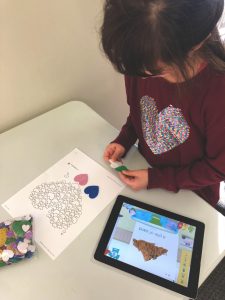
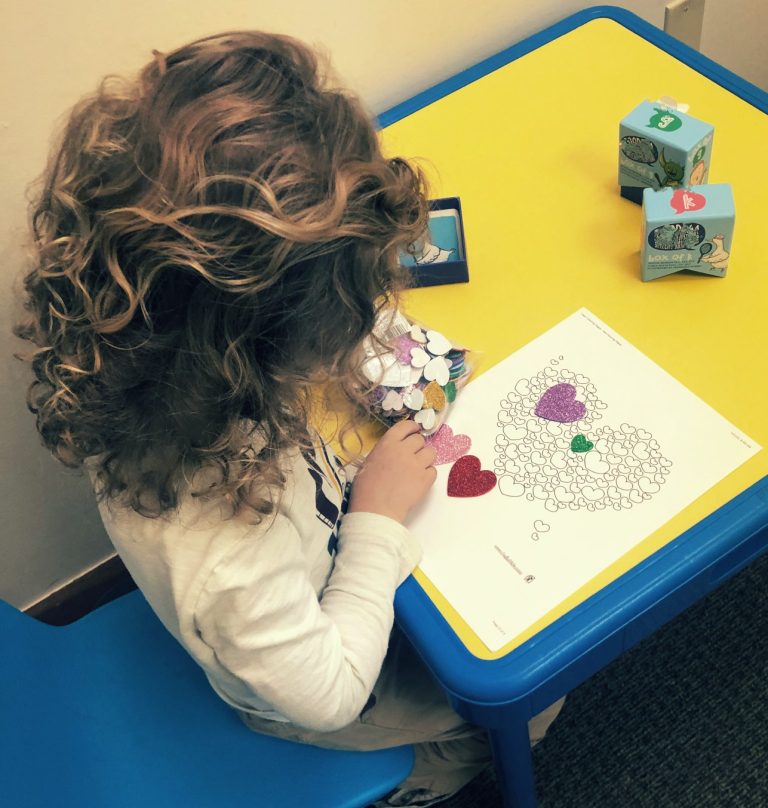
child in therapy putting stickers on a page
communication of valentine's day
girl in therapy putting stickers on a page

Communication Boards Enhance Holiday Joy

communication board in wintery weather

Discover how a communication board can transform holiday experiences for children with Autism and speech differences. Resources at Lakeshore Speech explores AAC strategies for inclusive celebrations.

Continue reading

12+ Empowering Communication & AAC Tips: Create an Inclusive Thanksgiving

Communciation supports for children with Autism makes Thanksgiving more memorable for everyone

Make Thanksgiving more inclusive with communication support, AAC ideas, and autism-friendly strategies. Practical tips for a smoother holiday.

Continue reading

Speech Month: Celebrating SLPs and Hearing Awareness

student drawing thanking therapist

Celebrate Better Speech and Hearing Month! SLPs help all ages with communication, swallowing, advocacy, research, and more to improve lives every day.

Continue reading

Celebrating Thanksgiving: 12 Tips to Support Children with Special Needs

For families with a child on the special needs, celebrating Thanksgiving may require some thoughtful preparation to ensure a comfortable and enjoyable experience. Here are some tips to help you prepare for a meaningful holiday celebration.

Continue reading

Private Speech Therapy: Unlocking and Enhancing Communication

supporting AAC users

This guide is here to help you understand what happens in speech therapy, how therapists work toward your child’s goals, and ways to feel more engaged and connected along the way.

Continue reading

Emotional Balance Boards: How to Navigate for Parent Concerns

emotional balance board

Explore three common concerns related to the use of emotional balance communication boards: frustration with limited understanding from individuals working with the child, the desire for easier, more intuitive boards, and the worry that your child won’t use the board effectively.

Continue reading

How to Advocate for Playground Communication: Frustration to Success

Example of a project involving funding communication boards in a local park

Explore some common frustrations, desires, and fears surrounding the issue of advocating for communication boards in playgrounds, and how you can stay hopeful and connected as an advocate for your child and your community.

Continue reading

How to Navigate Progress in Speech Therapy: A Parent’s Guide

supporting AAC users

We’ll explore some common frustrations, desires, and fears families experience around speech therapy and provide some encouragement for the journey.

Continue reading