
Quick Facts & Key Takeaways – Benefits of Communication Boards
- Total Inclusivity: Outdoor communication boards bridge the gap between physical accessibility and social inclusion on public playgrounds, pools, and splash parks.
- The “Device Burdens” Solution: Traditional high-tech speech tablets (AAC systems) risk overheating in the sun, experiencing water damage at splash pads, or getting lost during active play. Large-scale, permanent weather-proof boards completely remove this obstacle.
- Peer-to-Peer Bridges: By using a shared symbol space, neurotypical and neurodivergent children interact directly, dropping social barriers and mitigating the loneliness often felt by kids with limited speech.
- Universal Learning Tool: In addition to assisting children with neurodivergent needs, these community installations support toddlers developing language, late talkers, and multilingual families navigating new languages.
What's Inside
How Outdoor Communication Boards Give Every Child a Voice
Imagine a vibrant local park on a sunny Saturday. Children are sprinting toward the swings, climbing up the slide, and playing a noisy game of tag. But for a child who is non-verbal, has autism, or experiences a significant language delay, this bustling environment can present unique challenges. They may want to ask for a turn or tell a peer “That’s cool!”, but the verbal words might not be accessible in that high-energy moment.
Now, imagine you want to join that game of tag. You know exactly what you want to say: “Can I play too?” But your vocal muscles or neurological pathways refuse to coordinate. You try to catch a peer’s eye, but they run past, caught up in the fast-paced auditory world around them. You have a personal speech-generating device, but it is safely tucked away in your parent’s backpack across the park because it is too heavy to carry while climbing, or because your family is terrified it will get wet near the pool.
For millions of minimally verbal or non-speaking children, this heartbreaking sense of isolation is a daily reality.
This is where playground communication boards serve as a vital tool. At Resources at Lakeshore Speech, we view these boards not just as equipment, but as an essential component of a truly inclusive environment. By providing a visual language system, we can ensure that “play for all” includes every child’s voice. When we look at how communities can foster truly accessible environments, understanding how communication boards benefit children is the first step toward transforming public recreation spaces into hubs of unconditional belonging.
What Are Playground Communication Boards?
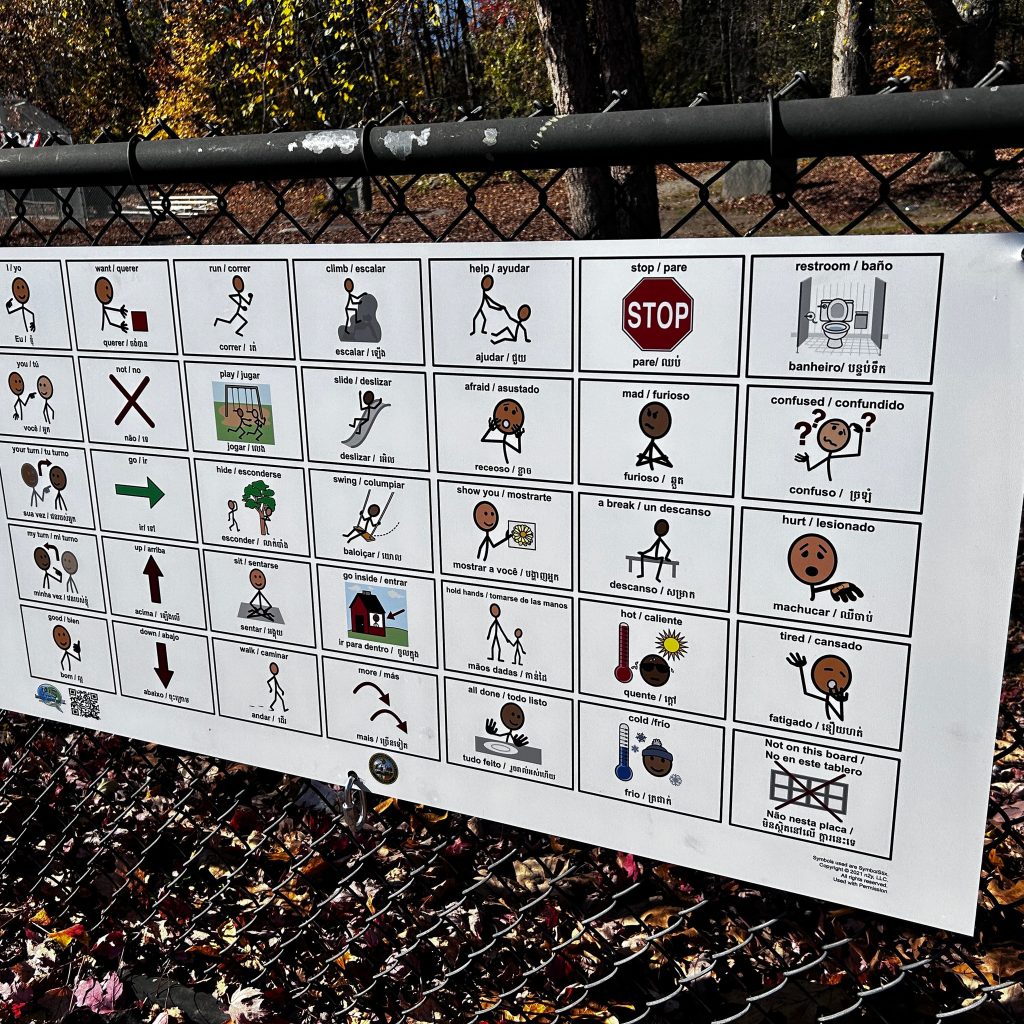
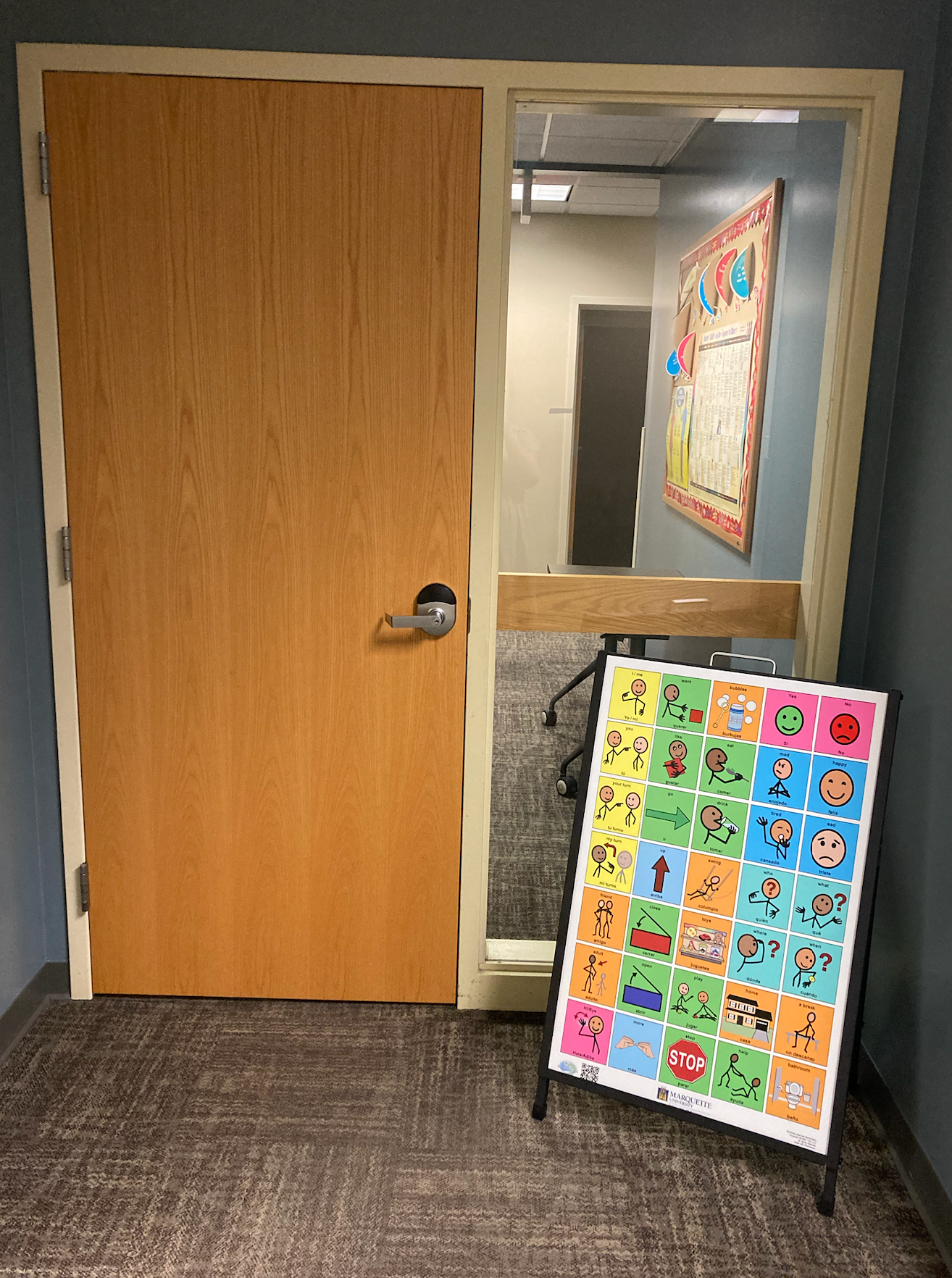
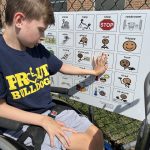
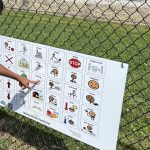
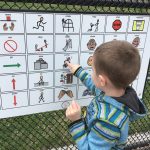
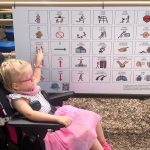
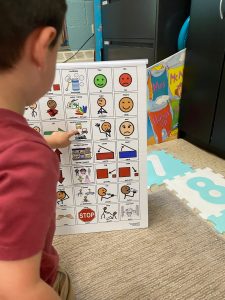
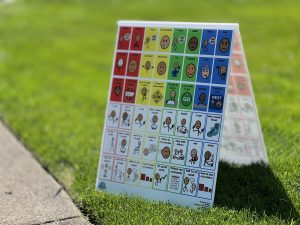
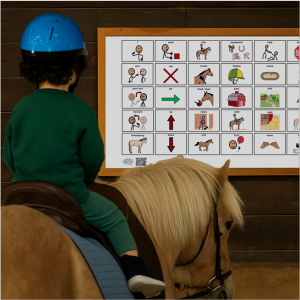
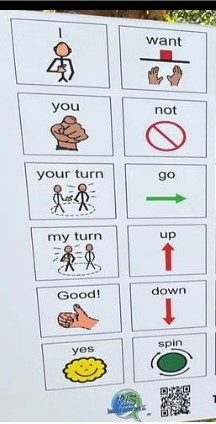
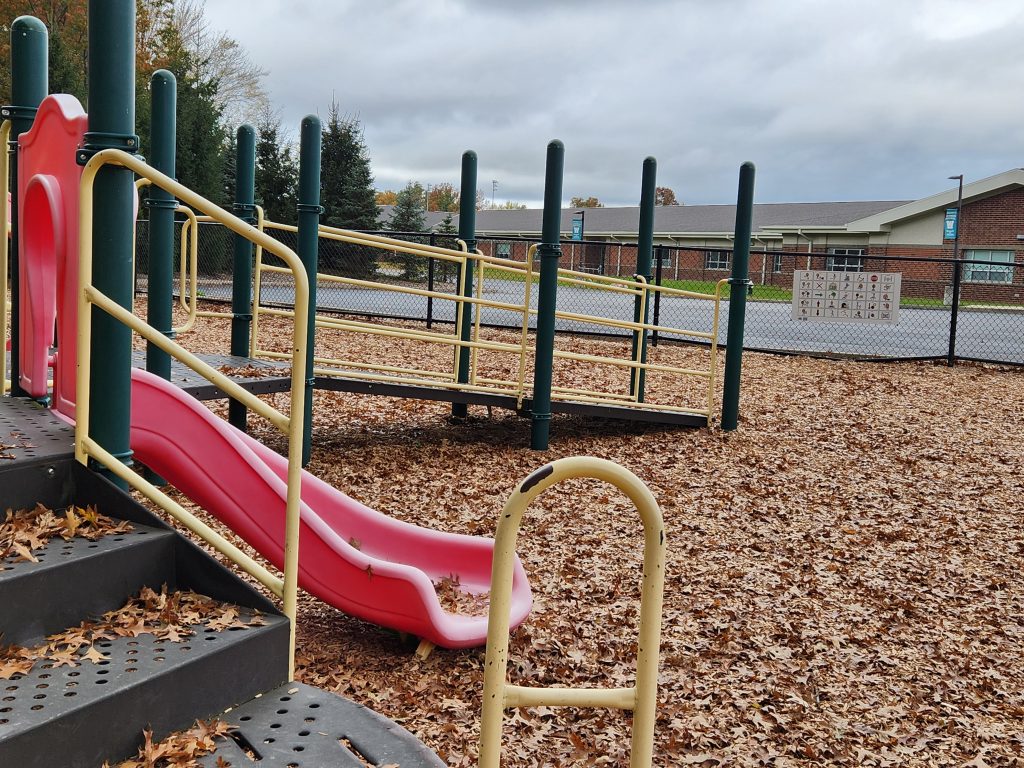
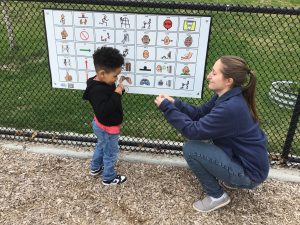
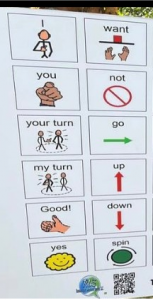
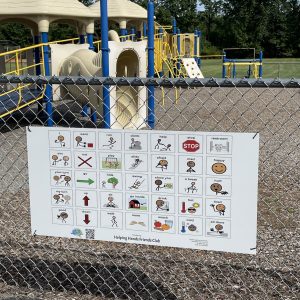
At their core, playground communication boards are large, durable signs installed in public play areas. They feature a grid of symbols, pictures, and words that represent common playground activities, needs, and social interactions. These boards are a functional form of Augmentative and Alternative Communication (AAC).
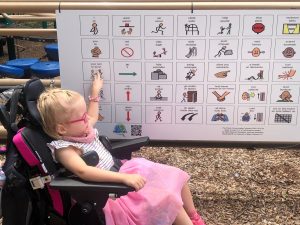
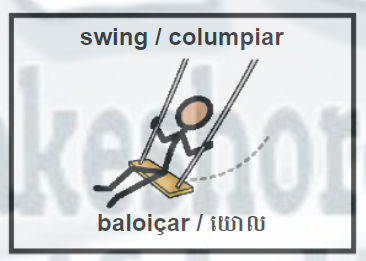
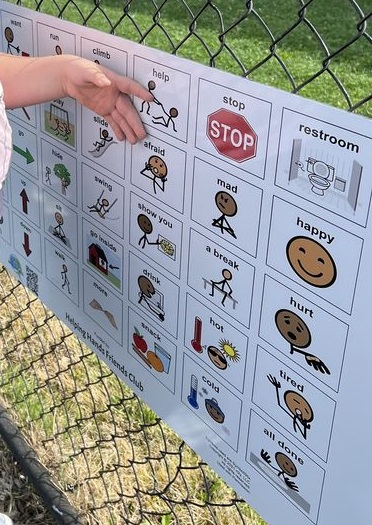
By pointing to a symbol for “swing” or “stop,” a child can communicate effectively without needing to rely on verbal speech. These AAC playground boards act as a bridge for children who are non-verbal, minimally verbal, or even those who simply find the sensory environment of a park too overwhelming to speak clearly. They are a reliable, permanent “voice” available to anyone in the play area, providing a low-tech backup for when a child might not have their personal speech device handy.
At Resources at Lakeshore Speech, we view these boards not just as equipment, but as an essential component of a truly inclusive environment. By providing a visual language system, we can ensure that “play for all” includes every child’s voice.
Why Public Spaces Require a Shift in How We View Accessibility
For years, community accessibility discussions centered almost entirely on physical infrastructure. Cities built poured-in-place rubber surfacing, installed wheelchair-accessible ramps, and integrated adaptive swing sets. While these engineering steps are vital, true play requires more than just getting a child’s body onto a playground structure—it requires connecting their mind and voice to the children around them.
Research indicates that children who experience complex communication challenges encounter deep social barriers on public playgrounds that go far beyond basic physical access (Therrien et al., 2022). Unstructured environments like neighborhood parks, community pools, and public splash pads are incredibly high-stimulation, fast-paced environments. In these settings, verbal speech moves quickly. If a child cannot rapidly express a need, share an idea, or establish a boundary, they are frequently excluded from cooperative play groups.
Furthermore, traditional Augmentative and Alternative Communication (AAC) systems—such as high-tech dedicated speech tablets or personal communication binders—are highly vulnerable to the elements (Derse, 2008). A family spending an afternoon at a neighborhood splash park cannot easily risk exposing an expensive electronic device to water, sand, heat, or heavy impacts. Consequently, many children are left entirely “voiceless” during the exact hours of the day when they should be experiencing absolute freedom and play. Large, permanently anchored AAC communication boards solve this exact problem by embedding functional, universal language directly into the recreational environment.
What Are the Benefits of Communication Boards for Children?
When looking at child development, we must address a core question: What are the benefits of communication boards for children? From a speech-language pathology perspective, these tools do far more than replace spoken words. They fundamentally alter how a child interacts with their environment, processes information, and builds relationships with the world around them.
1. Reducing Communicative Frustration and Cognitive Load
When a child cannot express their thoughts, anxiety and frustration skyrocket. This often leads to behavioral meltdowns. One of the primary benefits of communication boards for children is that they lower the cognitive load required to speak. In high-energy public spaces, coming up with the motor plans for speech can be exhausting. Visual boards give children an instant, stress-free path to express exactly what they need without the pressure of vocalization.
2. Supporting Receptive and Expressive Language Growth
Many individuals mistakenly believe these tools slow down speech development. However, clinical evidence shows the exact opposite. Visual aids provide a stable, permanent anchor for spoken language. While a spoken word disappears the moment it is muttered, a picture symbol remains static. This gives the child crucial time to process the word’s meaning. By pairing visual icons with spoken words, children build stronger vocabulary connections, boosting both their receptive understanding and their expressive output.
3. Fostering Autonomy and Self-Advocacy
True independence means having control over your own choices. Public communication boards allow children to choose their own activities, direct their own play, and set personal boundaries. Instead of relying on a parent or caregiver to guess what they want, a child can confidently walk up to a board and state their mind. This early experience with self-advocacy builds lifelong confidence.
4. Supporting Visual Learners
Many children with complex communication needs are visual learners. In a clinical setting, we often see that visual supports reduce frustration and lower cognitive load. Communication boards for parks provide a static reference point. Unlike spoken words, which are fleeting, a symbol on a board remains visible, allowing a child the time they need to process information and express a thought at their own pace.
5. Encouraging Peer Connections
These boards are not exclusively for children with disabilities. They serve as a universal language for the entire playground. When neurotypical children see a peer using the board, it often sparks curiosity and social modeling. This naturally facilitates interaction, teaching children from a young age that there are many valid ways to communicate and connect with others.
The Core Benefits of Communication Boards for Children in Public Parks
When cities and community leaders install permanent communication panels in recreational spaces, they change the entire dynamic of public play. Let’s break down the distinct clinical, emotional, and social advantages of these incredible community tools.
1. Eliminating the “Device Burden” and Protecting Speech Tools
As early intervention and school-based speech-language pathologists have long noted, carrying an external communication book or a dedicated electronic tablet during vigorous physical play is highly burdensome for a child (Derse, 2008). If a child has to hold a heavy device while climbing a ladder or traversing monkey bars, their safety is compromised. If they leave the device with a caregiver on a park bench, they lose their voice the moment they step onto the play equipment.
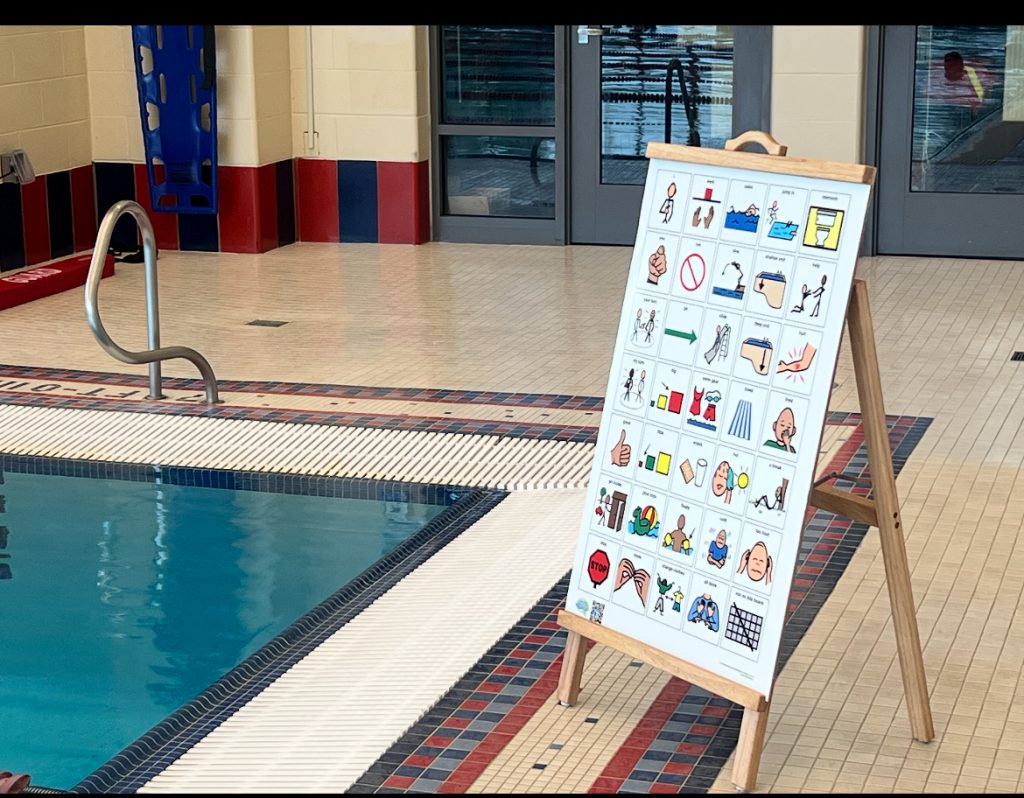
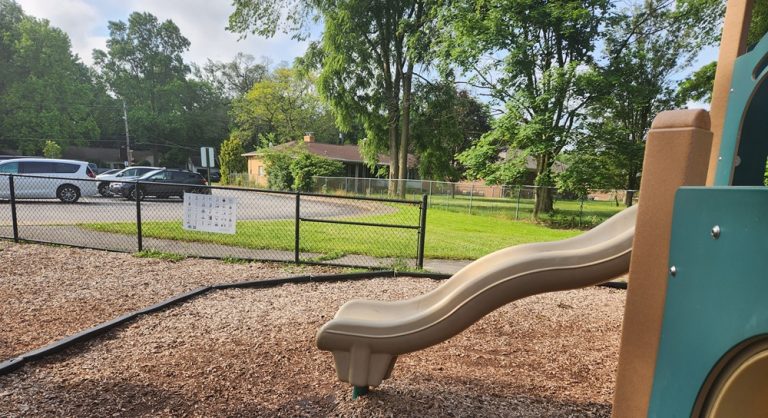
Permanent outdoor panels ensure that language is permanently present, accessible, and impervious to the elements. Whether a child is dripping wet at a municipal pool or covered in woodchips at a playground, they can simply walk up to the panel and point to “Go,” “Stop,” “More,” or “Water” to make their desires instantly known.
2. Equalizing the Social Playing Field
The magic of an outdoor communication panel lies in its status as a shared tool. It is not an isolated piece of medical equipment attached to a single child; it is an interactive fixture of the park available to everyone.
When neurotypical children see the board, they naturally become curious. They begin using the symbols to communicate with one another or to model language for their peers. This common visual interface reduces the “burden of initiation” on the neurodivergent child. Instead of trying to force a verbal greeting or figure out how to bridge a social gap, a child can walk up to the board, point to the symbol for “Play,” and point to the image of the slides. The communication barrier evaporates, paving the way for organic peer-to-peer relationships.
3. Immediate Access to Safety and Boundary Language
High-stimulation environments like splash pads and busy parks require rapid self-regulation and safety communication. If a child is feeling overwhelmed, hot, or frightened, they need to communicate that state instantly to prevent a sensory meltdown or a dangerous situation. Outdoor boards feature clearly visible, highly intuitive core vocabulary symbols for concepts like “Stop,” “Help,” “Hot,” “Cold,” “Hurt,” or “All Done.” This grants children the immediate power to advocate for their physical needs and personal boundaries in real-time, giving caregivers peace of mind.
Who Benefits from Outdoor AAC Boards?
The impact of outdoor AAC boards extends across a diverse range of park visitors. Based on our clinical experience at Resources at Lakeshore Speech, we see these tools benefiting a wide variety of users:
- Children with Autism Spectrum Disorder (ASD): Visual symbols help navigate social transitions and reduce the stress of environmental changes.
- Late Talkers and Toddlers: Even typically developing toddlers who are still building their vocabulary can use the board to express needs, often reducing the frustration common in early childhood.
- Children with Childhood Apraxia of Speech: For those who struggle with the motor planning required for speech, the board provides an immediate functional outlet.
- English Language Learners (ELL): Symbols are a universal bridge. A child who does not yet speak the local language can still engage with peers through visual icons.
- The “Device-Free” Moment: Personal high-tech AAC devices can be fragile or hard to see in the sun. A board allows a child to leave their expensive tech with a caregiver while they climb and play freely.
Design and Functionality: A Speech-Language Perspective
Effective playground communication boards require a thoughtful design rooted in linguistic principles. It isn’t just about putting pictures on a sign; it’s about how those symbols facilitate genuine language development.
Symbol System Consistency
Consistency is one of the most important factors in language learning. To support this, Resources at Lakeshore Speech offers both SymbolStix and Boardmaker/PCS (Picture Communication Symbols) sets. These are the two most common systems used in schools and on personal speech devices. Providing this choice allows communities to align their park signage with what local students are already learning in the classroom, making the tool much more intuitive.
Core vs. Fringe Vocabulary
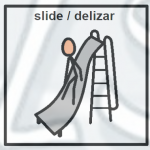
A functional board balances “Core Vocabulary”—high-frequency words like go, help, stop, more, and me—with “Fringe Vocabulary”—specific nouns like slide, ball, or sandbox. This allows a child to move beyond simple labeling and begin constructing functional phrases like “more swing” or “I go.”
Durability and Customization
Because these are communication boards for parks, they must withstand heavy use and the elements. We utilize high-grade aluminum composite materials that do not rust or warp. Furthermore, we believe these boards should reflect the community. Unlike many providers, Resources at Lakeshore Speech provides 100% customization, including adding agency or donor logos at no additional cost. This helps foster a sense of community ownership and acknowledges the sponsors who make these projects possible.
Improving Accessibility with Integrated Technology
Even the best tool is only effective if people feel confident using it. To support parents and caregivers, every board provided by Resources at Lakeshore Speech includes a specialized QR code.
When scanned, this code links directly to an educational video. This resource demonstrates how to “model” language on the board in real-time. This immediate support helps adults feel more comfortable with AAC, ensuring the board becomes an active part of the playground experience rather than a static fixture.
Frequently Asked Questions About Outdoor Communication Boards
As public interest in universal design grows, parents, town council members, and park directors frequently reach out to us with questions. Below are the most common inquiries we address regarding the implementation and benefits of communication boards for children.
Do communication boards stop a child from learning how to talk?
This is the single most common concern we hear from families, and the scientific answer is an absolute, definitive NO. Decades of speech-language pathology research and official statements from the American Speech-Language-Hearing Association (ASHA) demonstrate that augmentative and alternative communication tools support and encourage verbal language development rather than hindering it.
Visual symbols provide a concrete cognitive anchor for fleeting acoustic spoken words. When a child points to a symbol while an adult says the word aloud, it reinforces language comprehension and reduces the immense cognitive pressure of speech production. Often, as comprehension increases through visual aids, verbal attempts follow close behind.
How do cities select the right vocabulary symbols for an outdoor park board?
Selecting vocabulary is a careful clinical science. To build true topical authority and clinical effectiveness, boards must balance Core Vocabulary and Fringe Vocabulary.
- Core Vocabulary (80% of what we say): High-frequency words that can be used across multiple contexts (e.g., more, stop, go, look, want, help, I, you, it). These are typically placed in a consistent grid layout on the left and center of the board to assist with motor planning.
- Fringe Vocabulary (20% of what we say): Specific nouns and context-dependent words unique to that environment (e.g., swing, water, slide, towel, ladder, splash). These are generally grouped by category along the edges or right-hand side.
At Resources at Lakeshore Speech, our specialists collaborate directly with city planners and manufacturers to ensure that symbol selection meets ASHA’s highest standards of cultural responsiveness and clinical validity.
Successful Implementations Nationwide
The move toward more accessible play is a national movement. Resources at Lakeshore Speech has been proud to assist various communities in implementing these tools. Successful installations have already taken place in:
- Lowell, MA
- Rocky River, OH
- Fairview, OH
- Middletown, RI
- Jackson County, AL
- Lackawanna, NY
- North Olmsted, OH
Feedback from these communities often highlights how the boards have opened up new social opportunities for children who previously felt like observers rather than participants.
Conclusion: Empowering Every Child to Have a Voice in the Community
At Resources at Lakeshore Speech, our work is grounded in over six decades of combined clinical experience. We understand that a playground is more than just a place to run; it is a place to connect, to learn, and to belong.
Every single child deserves to experience the absolute joy, physical development, and social bonding that comes from unstructured public play. Playground equipment can challenge a child’s muscles, but a shared communication environment stretches their mind, builds empathy, and nurtures lasting peer friendships.
By investing in permanent outdoor communication boards, civic leaders, parent-teacher associations, and parks departments do more than just install a sign—they make a profound statement. They signal to every family that enters the park that their child is seen, valued, and welcome exactly as they are. These installations effectively eliminate the fear of damaged personal electronics, dismantle social isolation, and provide a vibrant, visual bridge that unites children of all abilities.
By integrating AAC playground boards into our public spaces, we are making a statement that every child’s voice is valued. We are proud to serve as a resource for communities looking to make their parks a little more welcoming, one symbol at a time.
Are you ready to spearhead a movement for true communication accessibility in your neighborhood, school district, or city park? Our dedicated team at Resources at Lakeshore Speech is here to guide you through every stage of the journey. From initial symbol mapping and custom vocabulary selection to sourcing ultra-durable, weather-proof manufacturing partners, we provide the expert clinical oversight needed to bring your vision to life.