Playground Communication Board Funding: 6 Ways to Finance

Playground Communication Board Funding: 6 Ways to Finance Accessibility

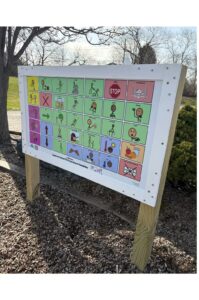
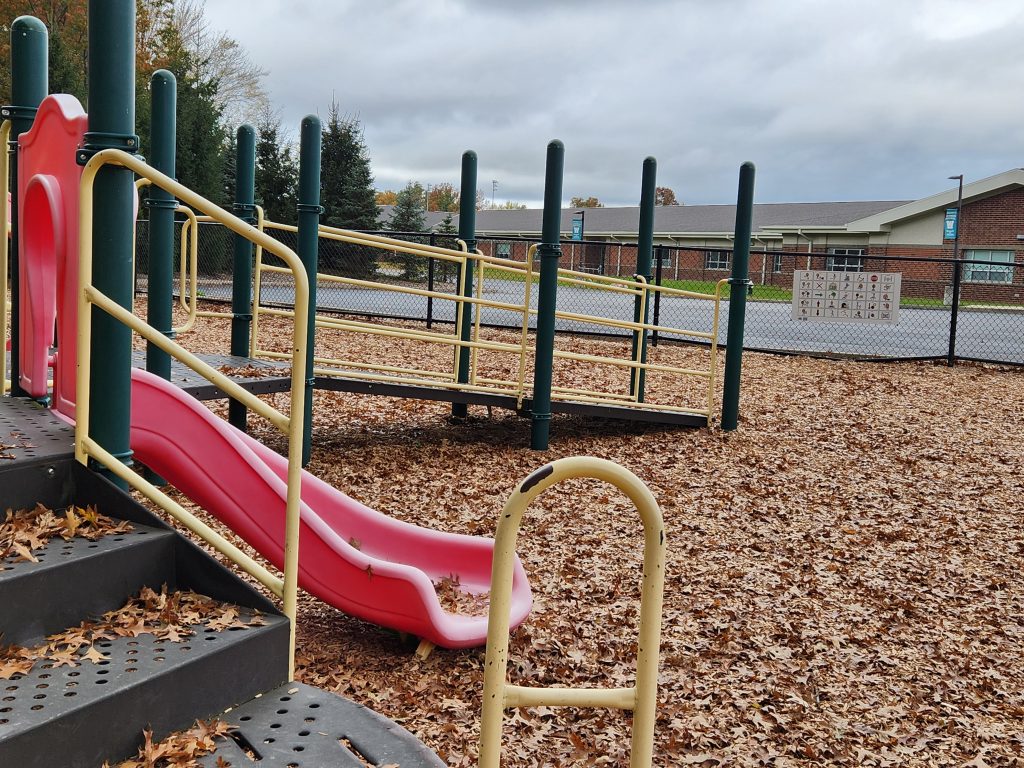
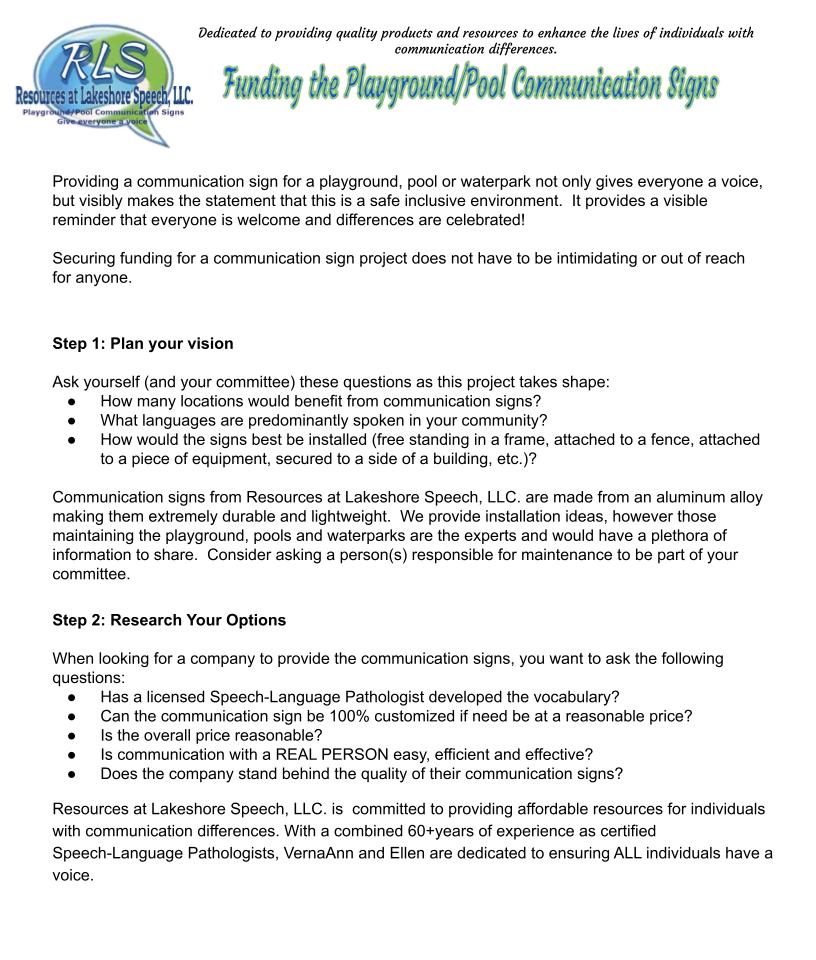
Communication boards give non-verbal individuals and those with speech differences a voice to build relationships in public spaces. However, bringing a playground or pool communication board to your local park can feel challenging due to upfront costs.

Fortunately, you don’t have to carry the financial load alone. Today, we’re breaking down six practical ways to secure playground communication board funding for your school, park, or community center.

Proven Sources for Playground Communication Board Funding

1. Apply for Disability Grants and Foundations

Many non-profit organizations offer dedicated grant funding for AAC boards and assistive technology. Look into national disability organizations or regional community foundations that support inclusion initiatives. Applying for these specialized grants is often the most direct route to secure full project funding.

2. Pitch Local Corporate Sponsorships

Local businesses love supporting projects that directly impact their immediate community. Create a simple pitch deck showing how outdoor communication signage makes local spaces inclusive. Pitching a local business owner with a tangible goal (e.g., “$1,500 sponsors one board”) can secure quick funding in exchange for their logo on the sign.

3. Launch Crowdfunding Campaigns

Platforms like Kickstarter or GoFundMe allow you to collect smaller donations from many community members. When setting up your campaign:

  • Share personal stories about why inclusive play matters.

  • Detail exact costs so donors know where their money goes.

  • Ask local community groups to share the campaign link.

4. Host Community Events and Fundraisers

Organize local events like a 5K fun run, a charity bake sale, or a community walk to raise awareness while collecting donations. Partnering with local schools or parks departments for these events helps get more people excited about funding accessible play equipment.

5. Research Government Grants and Civic Programs

Municipal, state, and federal grants frequently allocate funds for park improvements, ADA compliance, and public accessibility projects. Check with your local city council or parks and recreation board to see if existing public improvement funds can be applied to communication signage.

6. Partner with Educational Institutions

Reach out to local universities, colleges, or school districts with special education or speech-language pathology programs. Educational institutions often have access to unique departmental grants or student research funds that can be co-applied toward public accessibility projects.

Securing Playground Communication Board Funding for Your Community

Finding playground communication board funding requires exploring a mix of local and institutional resources, but the payoff is immense. By combining local business support, grants, and grass-roots fundraising, you can give non-verbal children and adults a voice on every playground.

Ready to start? We are here to help. Contact us or Request a Quote today!

Yours in Speech,

Resources at Lakeshore Speech
funding ideas for communication boards
playground communication board funding
Design consultation with certified SLP
communication board design

9 Easy Ways to Create Sensory Friendly Holiday Decor

string of holiday white lights

The holiday season is a time of joy, celebration, and togetherness. We’ll explore how to create a sensory-friendly holiday environment by making thoughtful choices in your decorations.

Continue reading

10+ Memorable Sensory-Friendly Thanksgiving Tips

Thanksgiving table set with food

Celebrating Thanksgiving with a child with Autism may require some preparations ahead of time and on the special day to ensure a comfortable and enjoyable experience.

Continue reading

5 Teletherapy Tips for Families – What You Need to Know

drawing of therapist performing teletherapy

As we are all beginning to adjust to teletherapy as well as online or elearning, we thought it best to share some tips to make you and your loved ones time in therapy, albeit significantly different than ever before, more successful. 

  1. Count on some sort of technology failure – if you count on the fact that the mic won’t turn on or your wifi will be running slow, you won’t panic when it does happen.  If there is a technology failure (on your side or on the therapist’s side), the first thing to do is breathe. Next calmly begin to troubleshoot. Prior to the appointment, you may want to trial the mic and speakers on the device you intend to use for therapy.  If your bandwidth on your wifi is slow, as those in your home to stay off the network or not engage in activities (streaming videos) that use a lot of bandwidth. If the session can’t happen, you can reschedule. Flexibility is key.
  2. Create a “Therapy Space” or designate a “Therapy Space” for the duration of the session.  You may want to create a ‘Therapy in Session’ sign with your loved one and hang it on the door of the room you are in for the session.  If you will be in a shared living area, you may want to consider the use of a headphone and mic combination. This will decrease the amount of background noise your loved one will hear as well as the therapist. Consider scheduling therapy at a time when others in your family would be napping or engaged in more quiet activities as well.  Creativity is key. 
  3. Count on staying with your loved one for the onset of the therapy session. For individuals that may need support to pay attention, consider this time extra snuggle time.  Have your loved one sit on your lap or very close to you during the session to help guide her/his attention to the therapist. This is time for your loved one to receive the critical therapy services needed as well as a time for YOU to better understand the techniques used to elicit specific behaviors, actions, and sounds from your child.  Teamwork is key. 
  4. Listen to the therapist and therapy session.  Remember, this is your loved one’s therapy time, not necessarily yours.  While it may be hard, refrain from answering the therapist’s questions for talking for your loved one. You may consider the situation/task that the therapist is asking your loved one to do is too difficult, but creating these situations to ‘push’ your loved one to the next level is necessary in progress towards mastery of goals. Trust is key. 
  5. Carryover of all the new skills learned during the therapy session (both for you and your loved one) is extremely important for everyone! You will have new skills to support your loved one as he/she works on speech-language skills.  Share what you have learned with others in your family. Help everyone realize the necessary supports to help your loved one succeed. Practice is key. 

Keeping in mind the importance of flexibility, creativity, teamwork, trust and practice will ensure your loved ones success with this different approach to speech-language therapy.  

More information about the telepractice services offered at Lakeshore Speech can be found at www.lakeshorespeech.com/telepractice or by calling 1-440-417-4190.

Yours in Speech, 
Lakeshore Speech Therapy, LLC

Hope in the New Year

black-and-white-blank

Happy New Year!  It’s a new decade filled with hope! Hope for a year filled with much health and happiness! Hope that the closets will organize themselves!  Hope that somehow, someway tiny building blocks will no longer find themselves in the path of an adult walking barefoot. Hope that dinner will be made and eaten without issue.  Hope, hope, hope! 

Hope is what keeps us all moving forward.  Setting goals or evening having ideas of what hope can bring to the New Year is expected at this time of year; so long as this hope isn’t a disguise for bringing the feeling of failure to the New Year as well. 

Sessions with a Speech-Language Pathologist is filled with the promise of hope and belief in your loved one.  Your therapist believes in your loved one and his/her language potential all the while continually promoting your good work at home and navigating the developmental process to guide you all towards mastery and success.  Walking out of a therapy session, you and your loved one should have a renewed feeling of strength to continue working on the specific skills, techniques, etc. until you see your therapist again. 

Cheers to the New Year filled with much hope, happiness and health!

Yours in Speech, 
Lakeshore Speech Therapy, LLC

Revving up the holiday season – Proactive Actions

aac and communication strategies and tips for increasing your child's communication during Thanksgiving

The holiday season is revving up to get ready to roll.  While we acknowledge there are significant stressors for you and your loved ones at this time of year, we could also consider the stress and comfort of extended families and friends. It is not your job to do everyone else’s job, however, taking a few moments to realize the impact you and your loved ones have on others could make family and friend gatherings more enjoyable for everyone. 

Providing information about characteristics that are unique to your loved one, may create a more tolerant and understanding environment.  A simple phone call, text or email to the host or hostess the explain those ‘quirks’ that you and your immediate family may not even notice.  For example, let the homeowner know if your loved one needs to see all the bathrooms upon entering a new location or if your loved one may go around the home and close all the doors.  

Help your extended family and friends better understand your loved one’s form of communication.  Share his/her successes and any ‘triggers’ that may exist (ie: asking more than 3 times to clarify a phrase or word).  Provide a few simple tips for the best way to engage your loved one (ie: asking yes/no questions or asking questions about the here/now vs past/ future).

Anticipate situations that may prove to be very stressful not only for you and your loved one, but the host/hostess.  Communicate that you may be bringing a different meal for your loved one to enjoy vs eating the traditional meal. Share that your loved one may take a ‘break’ during the meal and what that can be expected (ie: your loved one may need to take a  break in a room where you can guide your loved one to quiet area).

Open and host communication and preparation can create a setting where everyone enjoys their time together creating memories!

Yours in Speech,

Lakeshore Therapy Speech, LLC. 

How to Make A Candy Plan : Take the Stress Out of Halloween

Orange plastic pumpkin basket spilled over with candy pouring out

You’ve planned the costume, you’ve walked the route, you’ve practiced knocking on doors… a few more thoughts to help make your family’s trick or treat evening sweet.  

What will you do with all that candy?  Once your loved one sees her/his bounty of sweetness, she/he may not want to part with a single piece. Create a plan and share that plan well before that candy is in your house.

Will your family spend the last minutes of Halloween counting and sorting candy?  Will there be a huge candy trading event in the middle of your living room? Providing a plan for the evening can make a difference in ending the evening on a sweet note. 

Create a ‘buy back’ program if you would prefer your loved ones not have free access to that much candy.  Make your program work in a way in which your loved one will receive a certain number of dollars, stars, tokens, etc. when they ‘trade in’ a certain number of pieces of candy.  Check with your dentist to see if they are offering a buy back program. 

Create a ‘decorate a gingerbread house’ program.  Decorate a box with pictures of gingerbread houses.  Put candy that could be used to decorate a gingerbread house in the box.  You now have everything you need to decorate your holiday gingerbread house. 

Create a ‘week long candy plan’.  Divide a shoe box into 7 sections. Place one or two pieces of candy in each section.  Give your loved one the opportunity to choose the candy in one section every day. 

Whatever your plan, share it with your loved ones well before the candy starts pouring in the house.  Make it very clear where the candy will be stored and what the plan will be once it is collected. It may feel like you’re taking the fun out of the candy collection, rather you are providing the framework for a fun and enjoyable evening from start to finish!

Yours in Speech, 
Lakeshore Speech Therapy, LLC.