
AAC & Communication Support for Kids with Autism: Making Thanksgiving More Comfortable for Everyone!
The holiday season can be a time of warmth and joy—but for children with communication differences or neurodivergent profiles (for example, those on the autism spectrum), it can also bring unexpected challenges. Across four insightful posts from Resources at Lakeshore Speech, LLC, we find practical ideas to make Thanksgiving and holiday gatherings more inclusive, supportive and filled with connection.
1. “Sensory-Friendly Thanksgiving” – Supporting Individuals with Autism
In this piece, families are encouraged to prepare the environment ahead of time so that communication can flourish instead of falter. Strategies include creating quiet zones, reducing sensory overload (lights, smells, noises), and thinking ahead about what the child might need to feel comfortable. The post underscores how supporting communication isn’t just about words—it’s about setting the stage so that engagement, connection and expressive choice are possible. (From: “How to Create a Memorable Sensory-Friendly Thanksgiving”.)
2. “Thanksgiving Tips for Kids with Communication Differences” – Setting the Table for EVERYONE
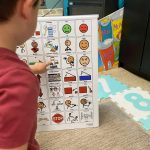
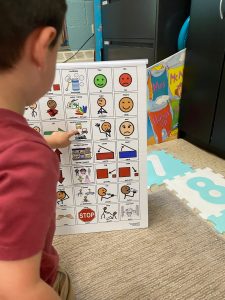
Here the focus is more directly on communication supports: using visual aids, picture cards or a communication board (AAC tool) to give children expressive options; rehearsing key phrases like “I’m grateful for…” or “more please”; and letting family members know ahead of time how best to show up (patience, listening, supporting). It reminds us that when children feel equipped to communicate, they feel included.
3. “Celebrating Thanksgiving: 12 Tips to Support Children with Special Needs” – Giving a Voice to All
This post expands the lens to children with special needs broadly, including those with autism, and offers a checklist of ways to support their holiday experience. Many of the tips circle back to good communication habits: preparing the child for the day, using social stories, providing a predictable schedule, collaborating with guests and ensuring that supports (visuals, AAC, quiet breaks) are in place. It reinforces how vital communication support is in creating meaningful participation.
4. “Holiday Prep – Part II” – Practical Tips for Holiday Joy
In this earlier piece, the message is: the preparation matters. Use social stories, visual schedules, First-Then boards, and show the child ahead of time what to expect. Those supports lay the groundwork for smoother transitions, less anxiety and more opportunities for the child to engage and communicate in the holiday flow. While the post doesn’t mention AAC in depth, the principles of supportive communication are front and center.
Why this matters for communication and AAC:
When children feel supported by environments and tools (visuals, boards, schedules), they are more likely to use communication, whether verbal or via AAC. This feeling of support can decrease negative behaviors associated with frustration and being misunderstood.
Families who plan for and invite all communication (not just speaking) create a stronger foundation for connection—especially important for children with autism or communication differences.
AAC (such as communication boards) isn’t a last-resort—it’s a way to empower kids to express their wants, needs and feelings. Studies have shown the use of AAC actually increased verbal communication.
Communication support isn’t only the therapist’s job—it’s the family, the guests, the environment—they all play a role in inviting the child into interaction. Engaging in communication – of all types – creates connections and memories that last a lifetime.
Closing suggestion:
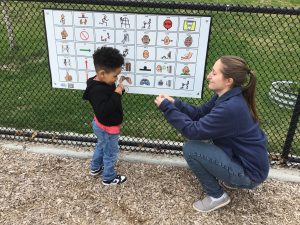
If you’re looking for more ideas, tools, or ready-to-use supports (like communication boards for playgrounds, pools, therapy spaces) to enhance communication, head over to Resources at Lakeshore Speech. Their resources are designed to help you increase access, build confidence, and make communication interactive and inclusive this holiday—and beyond.
Wishing you and your family a Thanksgiving full of connection, understanding, and voices—spoken or unspoken—felt and heard.