A Guide to Selecting the Right Symbol System : The Power of Choice

communication boards

The Power of Choice: A Guide to Selecting the Right Symbol System for Communication Boards

Communication is the heartbeat of human connection. For many individuals, finding the right way to express a thought, a need, or a dream requires more than just spoken words—it requires a visual language. At Resources at Lakeshore Speech, our team of dedicated speech-language pathologists (SLPs) is committed to providing individuals with communication differences a voice. With over 60 years of combined experience, our founders, VernaAnn Kotansky and Ellen Spear, have seen firsthand how the right symbol system can transform a child’s ability to interact with their world.

When designing inclusive environments—whether it’s a local park, a classroom, or a healthcare facility—the choice of visual icons is one of the most critical decisions you will make. This guide is designed to walk families, educators, and community leaders through the nuances of the most popular systems and help navigate the process of choosing symbol systems that empower every communicator.

What is a Symbol System?

In the world of Augmentative and Alternative Communication (AAC), a symbol system is a structured collection of graphic representations used to convey meaning. These can range from highly realistic photographs to abstract line drawings. For a child with autism, a student with Down syndrome, or an adult recovering from a stroke, these symbols serve as the building blocks of language.

When we create communication boards, we aren’t just placing pictures on a sign; we are selecting a linguistic framework. The goal is to create a bridge between an internal thought and an external expression. By understanding the different types of icons available, we can ensure that the “voice” provided is as clear and functional as possible. As we dive deeper into helping to better understand AAC symbol systems, it becomes clear that these systems are the very foundation of an individual’s ability to participate in their community.

Comparing the Most Popular Symbol Systems

Not all visual languages are created equal. Each symbol system has its own “logic,” aesthetic, and level of complexity. Here is a breakdown of the systems most commonly used:

1. Picture Communication Symbols (PCS) by Boardmaker

PCS is perhaps the most widely recognized symbol system in the world. Developed by Mayer-Johnson, these icons are characterized by their simple, clear line drawings.

  • Classic PCS: These are the familiar “egghead” figures. They are intentionally gender-neutral and minimalist to reduce visual clutter.
  • Thinline PCS: These offer a more modern, realistic look with detailed figures.
  • High Contrast PCS: Specifically designed for individuals with visual impairments (such as CVI), these use bright colors against black backgrounds.

2. SymbolStix

If you have used popular AAC apps like Proloquo2Go or TouchChat, you have likely encountered SymbolStix.

  • Pros: SymbolStix is excellent for representing verbs and abstract concepts because the figures are often shown in action.
  • Integration: It is the standard for many educational curricula, making it a common choice for school-based communication boards.

3. Widgit Symbols

Widgit is a highly structured symbol system featuring a very consistent “schema”—for example, all symbols related to time might share a specific visual element. This internal logic can help some learners “decode” new words more easily.

How to Choose the Symbol System to Use When Making a Communication Board

Selecting the right visual language is a process known in the SLP world as “feature matching.” It is not about aesthetic preference; it is about finding the most functional tool for the user. When choosing symbol systems, consider the following clinical criteria:

1. Evaluate the Learner’s Visual Profile

Before picking a symbol system, we must look at the user’s vision. Can they see fine lines, or do they need bold, high-contrast icons? For individuals with Cortical Visual Impairment (CVI), a high-contrast system is often the only way to ensure the symbols are actually processed by the brain.

2. Consider Iconicity and Transparency

Iconicity refers to how closely a symbol resembles the real-world object it represents.

  • Transparent Symbols: A picture of a “ball” that looks exactly like a ball is highly transparent.
  • Opaque Symbols: Abstract symbols (like the word “more” or “want”) are opaque and must be taught.
    A robust symbol system should balance clear nouns with recognizable representations of “core vocabulary”—the verbs, adjectives, and pronouns that make up 80% of what we say.

3. Environmental Consistency

Consistency is a cornerstone of AAC success. If a child uses SymbolStix on their personal tablet at home, it is often best to use the same symbol system on the communication boards at their school or local playground. This reduces the “cognitive load,” allowing the user to focus on what they want to say rather than learning a new language every time they change locations.

4. The Science of Placement and Organization

There is a specific clinical science to where icons are placed on a communication board that SLPs utilize to foster language development. This is not arbitrary; it is rooted in motor planning and linguistic mapping.

The Modified Fitzgerald Key is a color-coding system that organizes vocabulary by grammatical category (e.g., yellow for pronouns, green for verbs). By keeping the placement of “Core Vocabulary” consistent, we help the user develop motor memory. Just as a touch-typer doesn’t look at the keyboard, a proficient AAC user learns the “geography” of their board. When the layout is predictable, it allows for faster, more spontaneous communication.
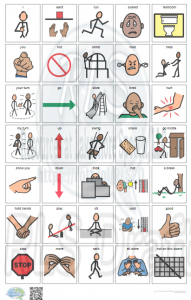
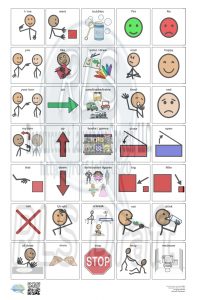
Symbol system
symbol system - symbolstix

The Role of Communication Boards in the Community

At Resources at Lakeshore Speech, we believe that communication should never be restricted to a therapy room. Public spaces like playgrounds, pools and public spaces are where social-emotional growth happens.

Why Community Boards Matter

When a park installs a board using a recognized symbol system, they are creating a truly inclusive environment. These boards:

  • Model Language: They allow peers and parents to “point while they talk,” showing AAC users that their language is valued.
  • Reduce Frustration: They provide a quick way for a child to express a need or emotion in real-time.
  • Foster Connection: They bridge the gap between neurotypical children and those with communication differences.

Opening Doors with Multilingual Support

Inclusion also means respecting the linguistic diversity of our communities. While English is the standard for many systems, we believe in opening doors that were once closed. By offering the ability to add up to three additional languages per cell, we ensure the symbol system is accessible to families from all backgrounds, making the community space welcoming for everyone.

Designing for Success: Best Practices

Once you have settled on a symbol system, the physical design and layout are the next steps in ensuring the board is functional.

  • Focus on Core Vocabulary: Prioritize high-frequency words like “go,” “stop,” “help,” and “more.” These are the most versatile tools for any communicator.
  • Limit Visual Clutter: Proper spacing between icons is essential for users with motor challenges to select the right symbol accurately.
  • Use High-Quality Materials: We utilize high-grade aluminum composite for our boards because it does not rust, warp, or delaminate. It is vital that the symbol system remains vibrant and legible through years of environmental exposure.
  • Sensory Considerations: Using a matte finish helps prevent “sun flare” or glare, which is critical for individuals with light sensitivity or visual processing needs.

Frequently Asked Questions About Symbol Systems

Q: Can I mix different symbol systems on one board?

Generally, we advise against this. Mixing icons from PCS and SymbolStix can be confusing. It is much more effective to stick to one cohesive symbol system to support literacy and cognitive ease.

Q: What if the user only understands real photographs?

Photographs are a helpful starting point. However, because they are so specific (a photo of your chair doesn’t always represent all chairs), we often use them as a bridge toward a more representative symbol system like PCS or SymbolStix for better generalization.

Q: Is there a “best” system?

There is no “best” system—only the best fit for the individual’s specific needs, visual abilities, and existing communication tools.

Empowering Every Voice

At Resources at Lakeshore Speech, our mission is to ensure that everyone has a voice. The world of AAC can feel complex, but the goal is simple: connection. Whether you are a parent, an educator, or a community leader, choosing the right symbol system is a foundational step in building a more inclusive world.

When we prioritize the needs of the user and maintain consistency across environments, we break down barriers and open up a world of possibility. Our resources are grounded in clinical experience and a deep commitment to the families we serve. To see how these boards have impacted others, we invite you to refer to the customer reviews on our website for real-world stories of connection and success.

Conclusion: Moving Toward Inclusion

By understanding the differences between icons and selecting a framework that supports motor memory and linguistic growth, you are providing a lifeline of connection.

If you are ready to explore how a communication board can support your local playground or community space, or if you need guidance on navigating the funding process, we invite you to check the funding page on our website for information on grants and community support.

Visit us at www.lakeshorespeech.com to learn more about our mission or to request more information. Let’s work together to make sure every voice is heard!

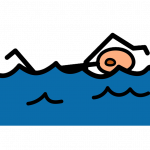
symbol system
symbols system - symbolstix

Creating Joyful Connections: Communication on Valentine’s Day

expressions of love

Love Without Limits: Meaningful Communication on Valentine’s Day Through Connection and Inclusion

Valentine’s Day is a season that naturally turns our hearts toward connection, friendship, and the joy of telling someone they matter. For many of us, it involves the rustle of paper cards, the sweetness of a candy heart, and the warmth of a simple “I like you.” At Resources at Lakeshore Speech, we believe that every individual has a beautiful message to share, but we also know that for some children, the traditional ways of speaking those messages can be a challenge.

Ensuring successful communication on Valentine’s Day isn’t just about the words spoken; it’s about opening doors so that every child—regardless of their verbal abilities—can participate in the magic of the holiday. Whether your child is navigating autism, a speech delay or simply needs a little extra visual support, communication boards serve as a gentle bridge to connection. In this post, we’ll explore how these tools create a more inclusive world where every “expression of love” is heard and celebrated.

What Are Communication Boards? A Tool for Every Heart

If you are new to the world of Augmentative and Alternative Communication (AAC), you might wonder exactly how a board helps. Simply put, a communication board is a collection of symbols, pictures, or words that a child can point to in order to express a thought. As we often discuss in our community guides, these boards provide a “visual anchor” for language.

When we focus on communication on Valentine’s Day, we use these boards to lower the pressure. Holidays can be overwhelming! Between the noise of classroom parties and the social expectations of card exchanges, a child’s verbal speech might “take a break” due to sensory overload. A communication board remains a steady, reliable tool. It allows a child to point to a picture of a “heart,” a “friend,” or the word “more” to stay engaged without the stress of finding the right sounds in a busy moment.

Expressions of Love: Beyond the Spoken Word

In one of our favorite past blog posts, Expressions of Love, we shared a truth that sits at the core of our practice: expression cannot be limited to talking. Love comes in a variety of shapes, colors, and sounds.

When we prioritize communication on Valentine’s Day, we are validating all the different ways children show they care. Here are some of the beautiful ways children can express themselves using tools and strategies we love:

  • The Power of Sign: Teaching a child the sign for “I love you” is a portable, silent, and deeply personal way to connect.
  • Speech Bubble Photos: As shared in our Expressions of Love post, having a child hold a heart or a speech bubble with a written message for a photo is a wonderful way to send a Valentine to a grandparent or friend.
  • Lip Print Art: Using lipstick or chapstick to make “kisses” on paper isn’t just adorable—it’s also a great oral motor exercise that supports the physical side of speech development!

By expanding our definition of “talking,” we ensure that no child is left out of the celebration.

Enhancing Social Interaction and Communication on Valentine’s Day

The social landscape of mid-February is filled with opportunities for growth. For educators and parents, the goal is often to help a child move from being a “bystander” to a “participant.” Utilizing specialized tools for Communication on Valentine’s Day makes this transition smoother.

Creating a Language-Rich Environment

Whether you are using a portable board from our clinic resources or a large-scale playground board, the key is to model the language. If you are handing out valentines, point to the “give” or “friend” symbol on the board as you do it. This shows the child that the board is a real, living part of how we interact. As we noted in our recent post about Enhancing Holiday Joy, providing these visual scaffolds during festivities reduces frustration and invites the child into the heart of the activity.

Supporting Educators in Building Inclusive Classrooms

Educators have the incredible task of making sure every student feels like they belong. When a teacher integrates communication on Valentine’s Day into their classroom, they are teaching empathy to the entire class.

We recommend setting up “Communication Stations” near Valentine’s Day mailboxes. These stations can feature:

  • Core vocabulary boards with words like “like,” “you,” “me,” and “happy.”
  • Visual schedules that show the steps of the Valentine’s party.
  • “Choice boards” for selecting which treats or crafts a student prefers.

Create easy-to-clean boards that can handle the sticky fingers and high energy of a school party to ensure that the tool is always ready when the child has something to say.

Empowering Families to Communicate at Home

Some of the most meaningful moments happen at the kitchen table or during a bedtime routine. To keep the momentum of communication on Valentine’s Day going, families can practice “Expressions of Love” in low-stress environments.

Try creating a “Family Code” or a special ritual. As suggested in our Expressions of Love blog, you might use a Valentine’s-themed communication board as part of your bedtime routine, allowing your child to pick a “sweet dream” symbol or point to “I love you” before they go to sleep. Practice doesn’t have to be a chore; when it’s wrapped in the love of a family tradition, it becomes a permanent part of the child’s communication toolkit.

Building Inclusive Communities and Public Spaces

At Resources at Lakeshore Speech, we are passionate about taking communication supports out of the clinic and into the world. When we see communication on Valentine’s Day being supported in libraries, parks and local businesses, we know we are moving toward a more compassionate community.

Inclusion in Every Season

Whether it is a playground communication board that helps a child find a playmate in February or a pool board for the summer, these tools tell families: “You are welcome here. Your child’s voice is heard here.” Community leaders who install these boards are laying the foundation for true inclusion, ensuring that every public space is accessible to those who communicate differently.

Selecting the Right Tools for Your Journey

Choosing the right way to support communication on Valentine’s Day depends on your child’s unique needs. At Resources at Lakeshore Speech, we offer a variety of resources designed to fit different environments:

  • Clinic and Therapy Boards: Perfect for focused practice sessions.
  • Playground and Community Boards: Large, weather-resistant displays that foster peer-to-peer interaction.
  • Emotional Balance Boards: Helpful for checking in on how a child is feeling during the excitement of a holiday.

Every resource we provide is rooted in the belief that communication is a human right. When a child has the tool they need, they can finally let the world hear their message “loud and clear”.

A Season of Growth and Connection

The research behind AAC is clear: providing children with multiple ways to communicate—through signs, pictures, and boards—actually supports their long-term language development. It gives them the “wins” they need to stay motivated. When a child uses a board to successfully navigate communication on Valentine’s Day, they aren’t just getting a piece of candy; they are gaining the confidence that comes from being understood.

We’ve seen it time and again a child who was once frustrated by their inability to share a thought begins to blossom when they realize they have a “voice” on their board. This Valentine’s Day, we invite you to join us in celebrating those breakthroughs.

Final Thoughts: Let Love Lead the Way

As we celebrate this month of affection, let’s remember that the most loving thing we can do is listen. communication on Valentine’s Day is about more than just a holiday; it’s a reminder that every day is an opportunity to help someone express their heart.

Whether you are a parent, a teacher or a community member, your support of inclusive communication makes a difference. You are helping to build a world where “I love you” can be spoken, signed, or pointed to—and where every version is equally beautiful.

Communication boards are more than just boards; they are tools of empowerment. They allow for meaningful communication on Valentine’s Day by providing a visual path for children to share their feelings, interact with friends, and participate in traditions. 

We invite you to explore the resources and stories on our blog for more inspiration. From parent guides to community success stories, we are here to walk this journey with you.

How can we help you today?

If you’re looking for the perfect tool to support your child’s voice, or if you’re a community leader ready to make your park more inclusive, reach out to us.

Click here to request a free quote or learn more about our communication boards.

Let’s work together to give everyone a way to express their love. Happy Valentine’s Day!

communication on valentine's day
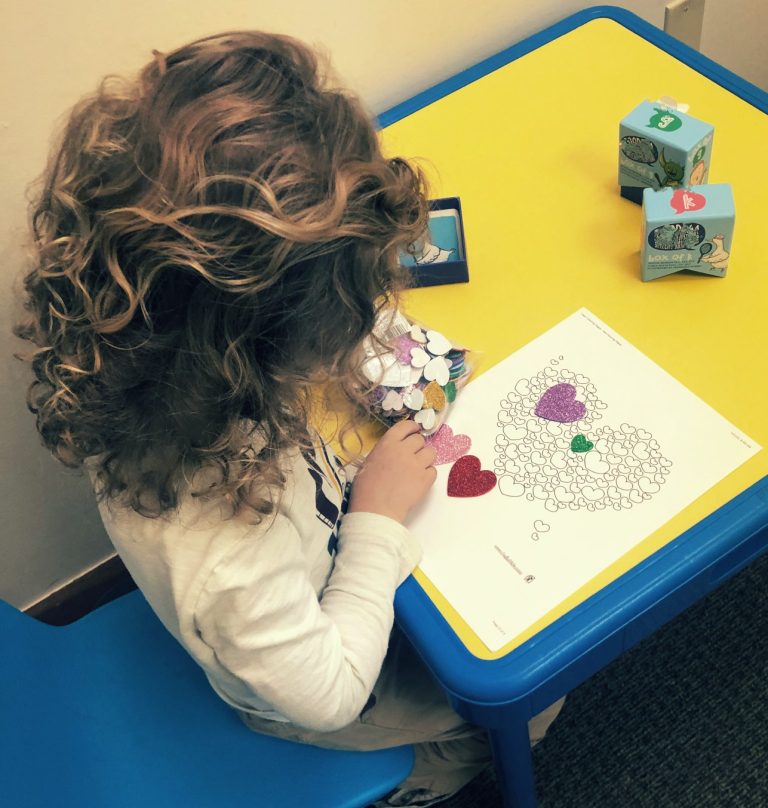
child in therapy putting stickers on a page
communication of valentine's day
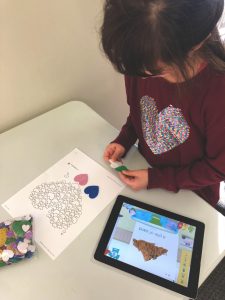
girl in therapy putting stickers on a page

How Communication Boards Boost Speech and Language: Simple Guide

communication boards

Learn how AAC communication boards support speech development, language learning and student independence in schools and communities.

Continue reading

12+ Empowering Communication & AAC Tips: Create an Inclusive Thanksgiving

Communciation supports for children with Autism makes Thanksgiving more memorable for everyone

Make Thanksgiving more inclusive with communication support, AAC ideas, and autism-friendly strategies. Practical tips for a smoother holiday.

Continue reading

We Have the Communication Board! – What Now?: AAC Tips

Inclusive playground communication board designed for AAC users

New to AAC or communication boards? Get speech therapist tips, starter words, and a 4-week plan to help your child begin communicating with confidence.

Continue reading

How to Promote Inclusion this School Year: Communication Boards

Communication boards in schools

Boost back-to-school inclusion with playground communication boards. Support AAC, foster friendships and give every child a voice at recess.

Continue reading

Professional AAC Workshop: Guiding the Next Gen of SLPs

professional aac workshop

Resources at Lakeshore Speech’s AAC workshop bridges classroom learning with real-world impact, teaching grad students to design inclusive communication boards.

Continue reading

Outdoor Communication Boards: How to Enjoy Summer Fun with Purpose

fund communication boards via grants and scholarships

Outdoor communication boards turn summer play into language-building fun! Support AAC users with inclusive tools that spark speech and connection at every park.

Continue reading

Speech Month: Celebrating SLPs and Hearing Awareness

student drawing thanking therapist

Celebrate Better Speech and Hearing Month! SLPs help all ages with communication, swallowing, advocacy, research, and more to improve lives every day.

Continue reading

SeeMyLegacy: Funding Communication Boards for Municipalities

Discover how SeeMyLegacy empowers communities to fund communication boards, boosting inclusion and engagement in public spaces.

Continue reading